Compare models

iPhone 17 Pro · E wātea ana ki ngā whatunga katoa vs iPhone SE (2022) · E wātea ana ki ngā whatunga katoa

  • Pūtāhui kotahi tau
  • Shipping rates shown at checkout
  • Ka taea te whakahoki i roto i ngā rā 14 (ka pā ngā tikanga tuku whakahoki)
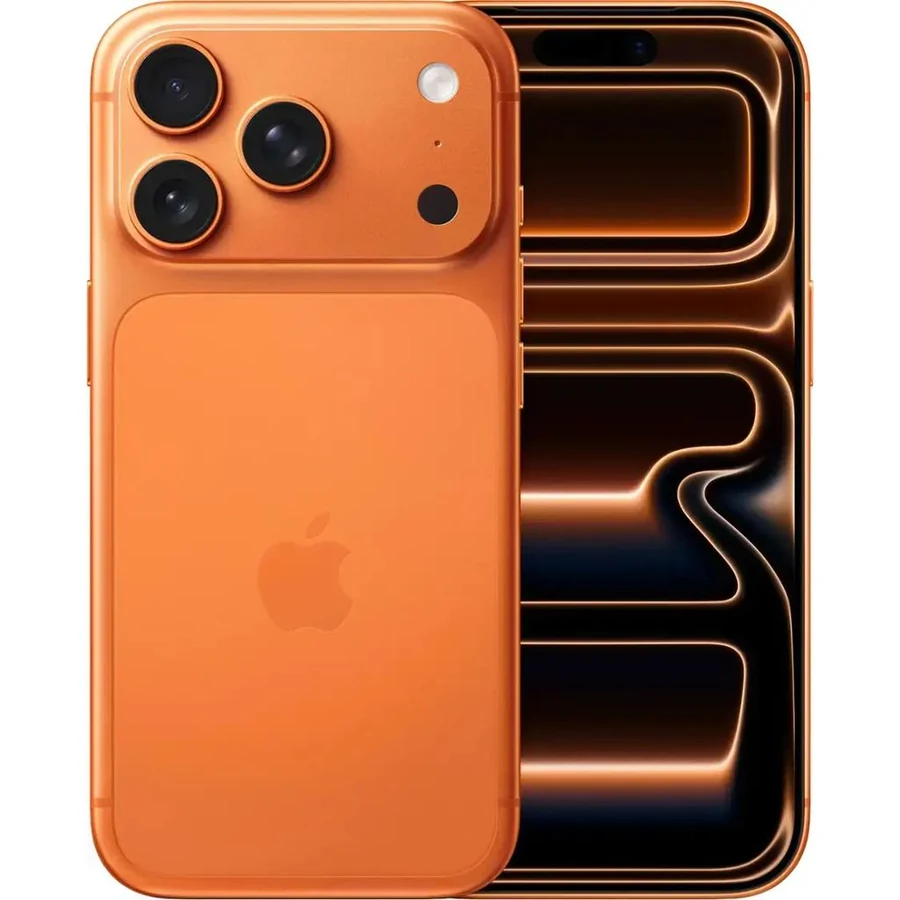
iPhone 17 Pro · E wātea ana ki ngā whatunga katoa
Mai i

Utu mō te mea kua whakahoungia:USD 326 $

Utu mō te mea hou · USD 1099 $

Tirohia ngā kōwhiringa
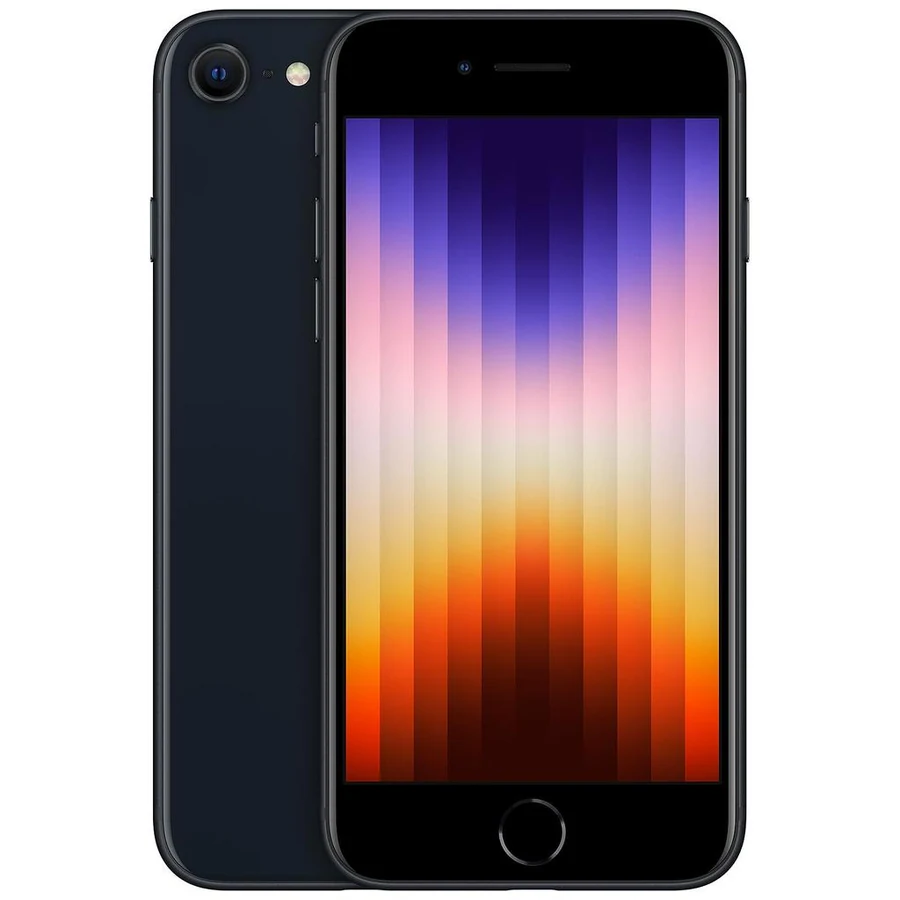
iPhone SE (2022) · E wātea ana ki ngā whatunga katoa
Mai i

Utu mō te mea kua whakahoungia:USD 45 $

Utu mō te mea hou · USD 429 $

Tirohia ngā kōwhiringa

He tirohanga poto ki ngā rerekētanga

Kei te whakataurite i raro nei ngā whirihoranga taketake a ngā kaiwhakarato whatunga pūkoro. Kua wetekina ngā pūrere e rua e hokona ana ki tēnei whārangi kia taea ai te whakamahi ki ētahi atu whatunga.

The iPhone 17 Pro (2025) and the iPhone SE (2022) represent two very different approaches to Apple's smartphone lineup, contrasting a modern flagship device with a compact entry-level option locked to T-Mobile. While both run on the iOS operating system, they differ significantly in release year, design philosophy, and everyday capability.

Ngā tauira e wātea ana

Tae

Storage (GB)

Ngā kaute

Te pakari

When evaluating hardware longevity and software support, these two models occupy very different positions in their lifecycle timelines.

  • Software support horizon: The iPhone 17 Pro benefits from a significantly later release date, ensuring extended software updates compared to the older iPhone SE (2022).
  • Build durability: The iPhone 17 Pro incorporates advanced exterior reinforcement and higher-tier water resistance ratings, whereas the iPhone SE (2022) utilizes standard glass panels and traditional casing protection.
  • Expected lifespan: Users seeking long-term operational viability will find the newer flagship model better equipped to handle upcoming system requirements over many years.

Te tau i tukuna ai

2025

2022

Te pūnaha whakahaere hototahi hōu rawa

Āe

Āe

Pūnaha whakahaere

iOS

iOS

Foldable

Kāo

Kāo

Te kaha mahi

Processing capability and day-to-day responsiveness vary substantially between these two devices, influencing multitasking and resource-heavy activities.

  • System responsiveness: The iPhone 17 Pro handles demanding applications, graphic-intensive gaming, and rapid multitasking effortlessly, while the iPhone SE (2022) manages everyday communication tasks and lighter apps competently.
  • Multitasking capacity: Generous memory allocation in the iPhone 17 Pro allows multiple heavy background processes to run simultaneously without reloading, compared to the more modest capacity of the iPhone SE (2022).
  • Battery behavior: The larger physical footprint of the iPhone 17 Pro houses a higher-capacity battery designed to endure extended periods of heavy use, whereas the iPhone SE (2022) features a smaller power cell that may require more frequent charging under heavy workloads.

Te kounga o te mata

Visual output and display engineering reflect the generational gap between the two smartphones.

  • Display technology: The iPhone 17 Pro features an advanced OLED screen delivering deep contrast levels and fluid motion clarity via high refresh rates, while the iPhone SE (2022) relies on a traditional LCD panel with standard motion handling.
  • Outdoor legibility: Higher peak brightness capabilities on the iPhone 17 Pro ensure clear visibility under direct sunlight, whereas the iPhone SE (2022) display is well-suited for indoor environments and moderate outdoor lighting.
  • Viewing space: The iPhone 17 Pro offers an edge-to-edge viewing area with minimal bezels, while the iPhone SE (2022) retains a compact display framed by traditional borders and a physical home button.

Taumira

2622x1206

750 x 1334

Te momo mata

Super Retina XDR

Retina IPS LCD

Te ataata me te oro

Multimedia capture and audio output capabilities differ markedly across both device architectures.

  • Lens versatility: The iPhone 17 Pro includes a versatile multi-lens system capable of wide, ultra-wide, and telephoto framing, whereas the iPhone SE (2022) features a single rear lens configuration.
  • Low-light imaging: Advanced computational photography hardware on the iPhone 17 Pro captures sharp details in dark environments, while the iPhone SE (2022) performs adequately in standard daylight conditions.
  • Media and audio output: Stereo speaker setups on the iPhone 17 Pro provide a balanced soundscape for media consumption, compared to the simpler audio profile of the iPhone SE (2022).

Kāmera matua

48 megapixels

12 megapixels

Kāmera o mua

18 megapixels

7 megapixels

Ētahi atu āhuatanga

Physical handling, connectivity standards, and daily convenience features highlight additional practical differences.

  • Connectivity standards: The iPhone 17 Pro supports contemporary wireless networking protocols and universal port standards, while the iPhone SE (2022) utilizes older connector types and carrier-locked network parameters for T-Mobile.
  • Biometric security: The iPhone 17 Pro relies on facial recognition technology, whereas the iPhone SE (2022) preserves fingerprint authentication through a physical button.
  • Physical dimensions: The iPhone SE (2022) offers a notably lightweight and compact form factor that fits easily into smaller pockets, while the iPhone 17 Pro presents a larger, heavier chassis optimized for a more expansive viewing area.

Taumaha

Not available

5.08 oz (144 g)

Te rahi o te mata (inihi)

6.3

4.7

Whatunga

5G

5G

Kāri SIM

eSIM

Physical SIM + eSIM

Carrier compatibility

E wātea ana ki ngā whatunga katoa

E wātea ana ki ngā whatunga katoa

Tūhono

USB-C

Lightning

Ngā whakaaro o te hapori

User discussions across community forums highlight distinct preference patterns for each model. Owners of the iPhone SE (2022) frequently praise its familiar compact size, physical navigation button, and lightweight feel, though some note that battery life and screen visibility under bright light can be restrictive. Conversely, users of the iPhone 17 Pro appreciate its expansive display, long-lasting battery capacity, and fluid processing speeds, though a few mention that its larger physical size is less pocket-friendly.

Users prioritizing a compact form factor, familiar navigation, and a locked T-Mobile device may find the iPhone SE (2022) suitable for straightforward daily communication. Meanwhile, users prioritizing advanced photographic versatility, a modern display, and long-term software longevity will lean toward the unlocked iPhone 17 Pro. For those exploring sustainable purchasing habits, choosing a quality-assured refurbished option through platforms like RefurbLane provides an eco-friendly alternative that extends device lifecycles. Selecting the right smartphone depends entirely on individual daily habits, preferred physical dimensions, and long-term performance expectations.

Ā mātou whakataurite hou

WhatsApp