'%3e%3cpath%20fill='%23f0f0f0'%20d='M40%200H0v26.667h40V0'/%3e%3cpath%20fill='%23d80027'%20d='M40%2024.5v2.1H0v-2.1h40m0-2.15H0v-2.1h40v2.1m0-4H0v-2.1h40v2.1m0-4H0v-2.1h40v2.1m0-4.25H0V8h40v2.1m0-4H0V4h40v2.1m0-4H0V0h40v2.1'/%3e%3cpath%20fill='%232e52b2'%20d='M20%200H0v14.36h20V0'/%3e%3cpath%20fill='%23f0f0f0'%20d='M1.927%2012.964H2.5l-.464.337.178.545L1.75%2013.51l-.464.336.178-.545L1%2012.964h.573L1.75%2012.42l.177.545m3.172%200h.573l-.464.337.177.545-.463-.336-.464.336.178-.545-.464-.337h.573l.177-.545.177.545m3.172%200h.573L8.38%2013.301l.177.545-.463-.336-.464.336.177-.545-.463-.337h.572l.178-.545.177.545m3.171%200h.574l-.464.337.177.545-.463-.336-.464.336.177-.545-.463-.337h.572l.178-.545.176.545m3.485%200H15.5l-.464.337.178.545-.464-.336-.464.336.178-.545L14%2012.964h.573l.177-.545.177.545m3.5%200H19l-.464.337.178.545-.464-.336-.464.336.178-.545-.464-.337h.573l.177-.545.177.545m-15-1.406H4l-.464.337.178.545-.464-.337-.464.337.178-.545L2.5%2011.558h.573l.177-.545.177.545m3.172%200h.573l-.464.337.177.545-.463-.337-.464.337.178-.545-.464-.337h.573l.177-.545.177.545m3.172%200h.573L9.88%2011.895l.177.545-.463-.337L9.13%2012.44l.177-.545-.463-.337h.572l.178-.545.177.545m3.171%200h.574l-.464.337.177.545-.463-.337-.464.337.177-.545-.463-.337h.572l.178-.545.176.545m3.485%200H17l-.464.337.178.545-.464-.337-.464.337.178-.545-.464-.337h.573l.177-.545.177.545m-14.5-1.57H2.5l-.464.337.178.545-.464-.337-.464.337.178-.545L1%209.988h.573L1.75%209.443l.177.545m3.172%200h.573l-.464.337.177.545-.463-.337-.464.337.178-.545-.464-.337h.573l.177-.545.177.545m3.172%200h.573L8.38%2010.325l.177.545-.463-.337L7.63%2010.87l.177-.545-.463-.337h.572l.178-.545.177.545m3.171%200h.574l-.464.337.177.545-.463-.337-.464.337.177-.545-.463-.337h.572l.178-.545.176.545m3.485%200H15.5l-.464.337.178.545-.464-.337-.464.337.178-.545L14%209.988h.573l.177-.545.177.545m3.5%200H19l-.464.337.178.545-.464-.337-.464.337.178-.545L17.5%209.988h.573l.177-.545.177.545m-15-1.43H4L3.536%208.895%203.714%209.44%203.25%209.103%202.786%209.44l.178-.545L2.5%208.558h.573L3.25%208.013l.177.545m3.172%200h.573L6.708%208.895%206.885%209.44%206.422%209.103%205.958%209.44l.178-.545-.464-.337h.573l.177-.545.177.545m3.172%200h.573L9.88%208.895l.177.545-.463-.337L9.13%209.44l.177-.545-.463-.337h.572l.178-.545.177.545m3.171%200h.574l-.464.337.177.545-.463-.337-.464.337.177-.545-.463-.337h.572l.178-.545.176.545m3.485%200H17l-.464.337.178.545-.464-.337-.464.337.178-.545L15.5%208.558h.573l.177-.545.177.545m-14.5-1.547H2.5L2.036%207.348l.178.545L1.75%207.556%201.286%207.893l.178-.545L1%207.011h.573L1.75%206.466l.177.545m3.172%200h.573L5.208%207.348l.177.545-.463-.337-.464.337.178-.545-.464-.337h.573l.177-.545.177.545m3.172%200h.573L8.38%207.348l.177.545-.463-.337L7.63%207.893l.177-.545-.463-.337h.572l.178-.545.177.545m3.171%200h.574l-.464.337.177.545-.463-.337-.464.337.177-.545-.463-.337h.572l.178-.545.176.545m3.485%200H15.5l-.464.337.178.545-.464-.337-.464.337.178-.545L14%207.011h.573l.177-.545.177.545m3.5%200H19l-.464.337.178.545-.464-.337-.464.337.178-.545L17.5%207.011h.573l.177-.545.177.545m-15-1.453H4L3.536%205.895%203.714%206.44%203.25%206.103%202.786%206.44l.178-.545L2.5%205.558h.573L3.25%205.013l.177.545m3.172%200h.573L6.708%205.895%206.885%206.44%206.422%206.103%205.958%206.44l.178-.545-.464-.337h.573l.177-.545.177.545m3.172%200h.573L9.88%205.895l.177.545-.463-.337L9.13%206.44l.177-.545-.463-.337h.572l.178-.545.177.545m3.171%200h.574l-.464.337.177.545-.463-.337-.464.337.177-.545-.463-.337h.572l.178-.545.176.545m3.485%200H17l-.464.337.178.545-.464-.337-.464.337.178-.545L15.5%205.558h.573l.177-.545.177.545m-14.5-1.523H2.5L2.036%204.37l.178.545L1.75%204.58%201.286%204.916l.178-.545L1%204.035h.573L1.75%203.49l.177.545m3.172%200h.573L5.208%204.37l.177.545L4.922%204.58%204.458%204.916l.178-.545-.464-.336h.573L4.922%203.49l.177.545m3.172%200h.573L8.38%204.37l.177.545L8.094%204.58%207.63%204.916l.177-.545-.463-.336h.572L8.094%203.49%208.27%204.035m3.171%200h.574L11.552%204.37l.177.545-.463-.337-.464.337.177-.545-.463-.336h.572l.178-.545.176.545m3.485%200H15.5L15.036%204.37l.178.545L14.75%204.58l-.464.337.178-.545L14%204.035h.573L14.75%203.49l.177.545m3.5%200H19L18.536%204.37l.178.545L18.25%204.58l-.464.337.178-.545L17.5%204.035h.573L18.25%203.49l.177.545m-15-1.477H4L3.536%202.895%203.714%203.44%203.25%203.103%202.786%203.44l.178-.545L2.5%202.558h.573L3.25%202.013l.177.545m3.172%200h.573L6.708%202.895%206.885%203.44%206.422%203.103%205.958%203.44l.178-.545-.464-.337h.573l.177-.545.177.545m3.172%200h.573L9.88%202.895l.177.545-.463-.337L9.13%203.44l.177-.545-.463-.337h.572l.178-.545.177.545m3.171%200h.574l-.464.337.177.545-.463-.337-.464.337.177-.545-.463-.337h.572l.178-.545.176.545m3.485%200H17l-.464.337.178.545-.464-.337-.464.337.178-.545L15.5%202.558h.573l.177-.545.177.545m-14.5-1.5H2.5L2.036%201.395%202.214%201.94%201.75%201.603%201.286%201.94l.178-.545L1%201.058h.573L1.75.513l.177.545m3.172%200h.573L5.208%201.395%205.385%201.94%204.922%201.603%204.458%201.94l.178-.545-.464-.337h.573l.177-.545.177.545m3.172%200h.573L8.38%201.395%208.557%201.94%208.094%201.603%207.63%201.94l.177-.545-.463-.337h.572l.178-.545.177.545m3.171%200h.574l-.464.337.177.545-.463-.337-.464.337.177-.545-.463-.337h.572l.178-.545.176.545m3.485%200H15.5l-.464.337.178.545-.464-.337-.464.337.178-.545L14%201.058h.573l.177-.545.177.545m3.5%200H19l-.464.337.178.545-.464-.337-.464.337.178-.545L17.5%201.058h.573l.177-.545.177.545'/%3e%3c/g%3e%3cdefs%3e%3cclipPath%20id='country-flag-us-a'%3e%3cpath%20fill='%23fff'%20d='M0%200h40v26.67H0z'/%3e%3c/clipPath%3e%3c/defs%3e%3c/svg%3e)
'%3e%3cpath%20fill='%23f0f0f0'%20d='M40%200H0v26.666h40V0'/%3e%3cpath%20fill='%23d80027'%20d='M40%200H0v8.889h40V0m0%2017.778H0v8.888h40v-8.888'/%3e%3c/g%3e%3cdefs%3e%3cclipPath%20id='country-flag-at-a'%3e%3cpath%20fill='%23fff'%20d='M0%200h40v26.67H0z'/%3e%3c/clipPath%3e%3c/defs%3e%3c/svg%3e)
'%3e%3cpath%20fill='%2310338c'%20d='M0%200h40v26.67H0V0'/%3e%3cpath%20fill='%23fff'%20d='m9.899%2016.971.856%201.828%201.922-.455-.856%201.82%201.549%201.261-1.93.447.008%202.028-1.55-1.27-1.54%201.27.008-2.028-1.93-.447%201.548-1.26-.863-1.82%201.93.454.848-1.828m20.226%203.552.404.87.919-.215-.413.87.74.599-.919.207v.974l-.732-.607-.739.607.008-.974-.918-.207.739-.599-.412-.87.918.215.405-.87M25.097%209.986l.405.87.918-.215-.412.87.74.599-.92.215v.966l-.73-.607-.74.607.008-.966-.926-.215.739-.599-.412-.87.918.215.412-.87m5.028-7.2.404.87.919-.215-.413.87.74.598-.919.216V6.09l-.732-.607-.739.607.008-.966-.918-.216.739-.598-.412-.87.918.215.405-.87m4.552%205.245.405.87L36%208.685l-.413.87.74.599-.918.207v.974l-.732-.606-.74.606v-.974l-.918-.207.74-.599-.413-.87.919.216.412-.87m-2.91%205.26.319%201.014h1.035l-.84.623.326%201.013-.84-.63-.84.63.318-1.014-.833-.622h1.036l.319-1.014M19.922%200v2.443l-3.51%202.003h3.51V9.18h-4.599l4.6%202.618v1.828h-2.079l-5.72-3.264v3.264H7.799v-3.88l-6.802%203.88H0v-2.442L3.518%209.18H0V4.446h4.6L0%201.82V0h2.078l5.72%203.257V0h4.326v3.88L18.935%200h.988'/%3e%3cpath%20fill='%23d80027'%20d='M11.206%200h-2.49v5.532H0v2.554h8.716v5.54h2.49v-5.54h8.716V5.532h-8.716V0'/%3e%3cpath%20fill='%230052b4'%20d='m12.125%209.18%207.797%204.446v-1.26L14.335%209.18h-2.21'/%3e%3cpath%20fill='%23fff'%20d='m12.125%209.18%207.797%204.446v-1.26L14.335%209.18h-2.21'/%3e%3cpath%20fill='%23d80027'%20d='m12.125%209.18%207.797%204.446v-1.26L14.335%209.18h-2.21m-6.53%200L0%2012.365v1.261L7.798%209.18H5.595'/%3e%3cpath%20fill='%230052b4'%20d='M7.798%204.446%200%200v1.253l5.595%203.193h2.203'/%3e%3cpath%20fill='%23fff'%20d='M7.798%204.446%200%200v1.253l5.595%203.193h2.203'/%3e%3cpath%20fill='%23d80027'%20d='M7.798%204.446%200%200v1.253l5.595%203.193h2.203m6.537%200%205.587-3.193V0l-7.798%204.446h2.21'/%3e%3c/g%3e%3cdefs%3e%3cclipPath%20id='country-flag-au-a'%3e%3cpath%20fill='%23fff'%20d='M0%200h40v26.67H0z'/%3e%3c/clipPath%3e%3c/defs%3e%3c/svg%3e)
'%3e%3cpath%20fill='%23ffda44'%20d='M40%200H0v26.67h40V0'/%3e%3cpath%20fill='%23000'%20d='M13.333%200H0v26.67h13.333V0'/%3e%3cpath%20fill='%23d80027'%20d='M40%200H26.667v26.67H40V0'/%3e%3c/g%3e%3cdefs%3e%3cclipPath%20id='country-flag-be-a'%3e%3cpath%20fill='%23fff'%20d='M0%200h40v26.67H0z'/%3e%3c/clipPath%3e%3c/defs%3e%3c/svg%3e)
'%3e%3cpath%20fill='%23000'%20d='M40%200H0v8.89h40V0'/%3e%3cpath%20fill='%23d80027'%20d='M40%208.89H0v8.89h40V8.89'/%3e%3cpath%20fill='%23ffda44'%20d='M40%2017.78H0v8.89h40v-8.89'/%3e%3c/g%3e%3cdefs%3e%3cclipPath%20id='country-flag-de-a'%3e%3cpath%20fill='%23fff'%20d='M0%200h40v26.67H0z'/%3e%3c/clipPath%3e%3c/defs%3e%3c/svg%3e)
'%3e%3cpath%20fill='%23ffda44'%20d='M40%200H0v26.667h40V0'/%3e%3cpath%20fill='%23d80027'%20d='M40%200H0v8.889h40V0m0%2017.777H0v8.89h40v-8.89'/%3e%3c/g%3e%3cdefs%3e%3cclipPath%20id='country-flag-es-a'%3e%3cpath%20fill='%23fff'%20d='M0%200h40v26.67H0z'/%3e%3c/clipPath%3e%3c/defs%3e%3c/svg%3e)
'%3e%3cpath%20fill='%23f0f0f0'%20d='M40%200H0v26.667h40V0'/%3e%3cpath%20fill='%232e52b2'%20d='M40%2011.667V15H14.348v11.667h-3.334V15H0v-3.333h11.014V0h3.334v11.667H40'/%3e%3c/g%3e%3cdefs%3e%3cclipPath%20id='country-flag-fi-a'%3e%3cpath%20fill='%23fff'%20d='M0%200h40v26.67H0z'/%3e%3c/clipPath%3e%3c/defs%3e%3c/svg%3e)
'%3e%3cpath%20fill='%23f0f0f0'%20d='M40%200H0v26.667h40V0'/%3e%3cpath%20fill='%230052b4'%20d='M13.333%200H0v26.667h13.333V0'/%3e%3cpath%20fill='%23d80027'%20d='M40%200H26.667v26.667H40V0'/%3e%3c/g%3e%3cdefs%3e%3cclipPath%20id='country-flag-fr-a'%3e%3cpath%20fill='%23fff'%20d='M0%200h40v26.67H0z'/%3e%3c/clipPath%3e%3c/defs%3e%3c/svg%3e)
'%3e%3cpath%20fill='%23f0f0f0'%20d='M40%200H0v26.667h40V0'/%3e%3cpath%20fill='%23d80027'%20d='M22.5%200h-5v10.833H0v5h17.5v10.833h5V15.833H40v-5H22.5V0'/%3e%3cpath%20fill='%230052b4'%20d='M30.765%2017.97%2040%2023.102v-5.13h-9.235m-6.417-.002L40%2026.667v-2.459l-11.226-6.236h-4.426m11.482%208.694-11.482-6.38v6.38H35.83'/%3e%3cpath%20fill='%23f0f0f0'%20d='M24.348%2017.97%2040%2026.667v-2.459l-11.226-6.236h-4.426'/%3e%3cpath%20fill='%23d80027'%20d='M24.348%2017.97%2040%2026.667v-2.459l-11.226-6.236h-4.426'/%3e%3cpath%20fill='%230052b4'%20d='M7.058%2017.97%200%2021.891v-3.92h7.058m8.594%201.105v7.59H1.992l13.66-7.59'/%3e%3cpath%20fill='%23d80027'%20d='M11.226%2017.97%200%2024.208v2.46l15.652-8.696h-4.426'/%3e%3cpath%20fill='%230052b4'%20d='M9.235%208.696%200%203.565v5.13h9.235m6.417.001L0%200v2.459l11.226%206.237h4.426M4.17%200l11.482%206.38V0H4.17'/%3e%3cpath%20fill='%23f0f0f0'%20d='M15.652%208.696%200%200v2.459l11.226%206.237h4.426'/%3e%3cpath%20fill='%23d80027'%20d='M15.652%208.696%200%200v2.459l11.226%206.237h4.426'/%3e%3cpath%20fill='%230052b4'%20d='M32.942%208.696%2040%204.774v3.922h-7.058M24.348%207.59V0h13.66l-13.66%207.59'/%3e%3cpath%20fill='%23d80027'%20d='M28.774%208.696%2040%202.459V0L24.348%208.696h4.426'/%3e%3c/g%3e%3cdefs%3e%3cclipPath%20id='country-flag-gb-a'%3e%3cpath%20fill='%23fff'%20d='M0%200h40v26.67H0z'/%3e%3c/clipPath%3e%3c/defs%3e%3c/svg%3e)
'%3e%3cpath%20fill='%23f0f0f0'%20d='M40%200H0v26.666h40V0'/%3e%3cpath%20fill='%23338af3'%20d='M40%200H0v3.333h40V0m0%206.667H0V10h40V6.667m0%206.667H0v3.333h40v-3.334M40%2020H0v3.333h40V20'/%3e%3cpath%20fill='%23338af3'%20d='M14.782%200H0v13.334h14.782V0'/%3e%3cpath%20fill='%23f0f0f0'%20d='M14.782%205.186H0v2.962h14.782V5.186'/%3e%3cpath%20fill='%23f0f0f0'%20d='M8.872%200H5.91v13.334h2.962V0'/%3e%3c/g%3e%3cdefs%3e%3cclipPath%20id='country-flag-gr-a'%3e%3cpath%20fill='%23fff'%20d='M0%200h40v26.67H0z'/%3e%3c/clipPath%3e%3c/defs%3e%3c/svg%3e)
'%3e%3cpath%20fill='%23f0f0f0'%20d='M40%200H0v26.666h40V0'/%3e%3cpath%20fill='%236da544'%20d='M13.333%200H0v26.667h13.333V0'/%3e%3cpath%20fill='%23ff9811'%20d='M40%200H26.667v26.667H40V0'/%3e%3c/g%3e%3cdefs%3e%3cclipPath%20id='country-flag-ie-a'%3e%3cpath%20fill='%23fff'%20d='M0%200h40v26.67H0z'/%3e%3c/clipPath%3e%3c/defs%3e%3c/svg%3e)
'%3e%3cpath%20fill='%23f0f0f0'%20d='M26.667%200H0v26.667h40V0H26.667'/%3e%3cpath%20fill='%236da544'%20d='M13.333%200H0v26.667h13.333V0'/%3e%3cpath%20fill='%23d80027'%20d='M40%200H26.667v26.667H40V0'/%3e%3c/g%3e%3cdefs%3e%3cclipPath%20id='country-flag-it-a'%3e%3cpath%20fill='%23fff'%20d='M0%200h40v26.67H0z'/%3e%3c/clipPath%3e%3c/defs%3e%3c/svg%3e)
'%3e%3cpath%20fill='%23f0f0f0'%20fill-rule='evenodd'%20d='M0%20.86h40v26.67H0V.86'%20clip-rule='evenodd'/%3e%3cpath%20fill='%23d80027'%20d='M20%2021.835a8.5%208.5%200%201%200%200-17%208.5%208.5%200%200%200%200%2017'/%3e%3c/g%3e%3cdefs%3e%3cclipPath%20id='country-flag-jp-a'%3e%3cpath%20fill='%23fff'%20d='M0%200h40v26.67H0z'/%3e%3c/clipPath%3e%3c/defs%3e%3c/svg%3e)
'%3e%3cpath%20fill='%23a2001d'%20d='M40%200H0v8.89h40V0'/%3e%3cpath%20fill='%23f0f0f0'%20d='M40%208.89H0v8.89h40V8.89'/%3e%3cpath%20fill='%230052b4'%20d='M40%2017.78H0v8.89h40v-8.89'/%3e%3c/g%3e%3cdefs%3e%3cclipPath%20id='country-flag-nl-a'%3e%3cpath%20fill='%23fff'%20d='M0%200h40v26.67H0z'/%3e%3c/clipPath%3e%3c/defs%3e%3c/svg%3e)
'%3e%3cpath%20fill='%23d80027'%20d='M40%200H0v26.666h40V0'/%3e%3cpath%20fill='%236da544'%20d='M15.363%200v26.666H0V0h15.363'/%3e%3cpath%20fill='%23ffda44'%20d='M15.363%2018.335a5%205%200%201%200%200-10%205%205%200%200%200%200%2010'/%3e%3cpath%20fill='%23d80027'%20d='M12.55%2010.835v3.125a2.813%202.813%200%200%200%205.625%200v-3.125H12.55'/%3e%3cpath%20fill='%23f0f0f0'%20d='M15.362%2014.898a.94.94%200%200%201-.937-.938v-1.25H16.3v1.25a.94.94%200%200%201-.938.938'/%3e%3c/g%3e%3cdefs%3e%3cclipPath%20id='country-flag-pt-a'%3e%3cpath%20fill='%23fff'%20d='M0%200h40v26.67H0z'/%3e%3c/clipPath%3e%3c/defs%3e%3c/svg%3e)
'%3e%3cpath%20fill='%230052b4'%20d='M40%200H0v26.667h40V0'/%3e%3cpath%20fill='%23ffda44'%20d='M15%200h-5v10.833H0v5h10v10.834h5V15.833h25v-5H15V0'/%3e%3c/g%3e%3cdefs%3e%3cclipPath%20id='country-flag-se-a'%3e%3cpath%20fill='%23fff'%20d='M0%200h40v26.67H0z'/%3e%3c/clipPath%3e%3c/defs%3e%3c/svg%3e)
'%3e%3cpath%20fill='%23f0f0f0'%20d='M40%200H0v26.666h40V0'/%3e%3cpath%20fill='%230052b4'%20d='M40%208.696H0v9.275h40V8.696'/%3e%3cpath%20fill='%23d80027'%20d='M40%2017.97H0v8.696h40v-8.695'/%3e%3cpath%20fill='%23f0f0f0'%20d='M10.115%207.538v6.651c0%203.784%204.942%204.943%204.942%204.943S20%2017.972%2020%2014.189V7.538h-9.885'/%3e%3cpath%20fill='%23d80027'%20d='M11.416%207.733v6.402a2.7%202.7%200%200%200%20.283%201.21h6.717a2.7%202.7%200%200%200%20.283-1.21V7.733h-7.283'/%3e%3cpath%20fill='%23f0f0f0'%20d='M17.29%2012.196h-1.675v-1.115h1.116V9.965h-1.116V8.849H14.5v1.116h-1.115v1.116H14.5v1.115h-1.673v1.116H14.5v1.116h1.116v-1.116h1.674v-1.116'/%3e%3cpath%20fill='%230052b4'%20d='M13.221%2016.902a8%208%200%200%200%201.836.83%208%208%200%200%200%201.836-.83q1.09-.685%201.523-1.558a1.94%201.94%200%200%200-1.57-.306%201.953%201.953%200%200%200-3.576%200%201.96%201.96%200%200%200-1.57.306q.433.872%201.521%201.558'/%3e%3c/g%3e%3cdefs%3e%3cclipPath%20id='country-flag-sk-a'%3e%3cpath%20fill='%23fff'%20d='M0%200h40v26.67H0z'/%3e%3c/clipPath%3e%3c/defs%3e%3c/svg%3e)
iPhones

What are you looking for?
Updated on September 22, 2026
September 22, 2026
27 mins read

Miguel G.
Sr. Tech Copywriter (US)
The iPhone 18 Pro, announced September 9 and launching September 18, makes its strongest pitch to your camera roll. Its variable-aperture main camera gives you real control over light and depth of field, and the A20 Pro chip adds headroom for gaming and video editing. But at $1,199, the question isn't whether it's good, but if it's better than the refurbished Pro you could buy for a fraction of the price. In this iPhone 18 Pro review, we look at what actually changed, and why most people are better off with a refurbished iPhone 17 Pro.
✨ The iPhone 18 Pro pairs a familiar 6.3-inch design with more flexible photography, an A20 Pro chip, and faster charging. Its variable-aperture main camera can work automatically or hand you the controls, while an improved cooling system targets demanding games and video editing. The display stays bright and smooth, and iOS 27 adds software appeal, although most of it reaches older iPhones too. Early hands-on impressions are promising, but battery and performance claims still need independent testing. The people who'll get their money's worth are photographers, heavy users, and anyone replacing a much older iPhone. Everyone else, including iPhone 17 Pro owners, should look at a refurbished iPhone 17 Pro first: same screen, same cameras, same software, much less money.
RefurbLane exists to make tech affordable, reliable, and sustainable, and this review is written with that in mind. It combines hands-on knowledge of refurbished phones with a background in technology journalism, so you can see which upgrades are worth paying for and which older models still hold up. The analysis draws on Apple's published specifications alongside early reviews from established technology publications. Where a claim comes from Apple rather than from independent testing, we say so.
️❤️❤️🤍🤍: A very good phone most people shouldn't buy new
You don’t need to buy the iPhone 18 Pro new to get a great Pro experience. A refurbished iPhone 17 Pro keeps the same 6.3-inch 120Hz screen, three 48MP rear cameras, and the same iOS 27 update. The 18 Pro’s variable aperture offers extra creative control, but unless that or its other upgrades address a real limitation, there’s little reason to pay $1,199. If your current phone still meets your needs, keep it. If you need a replacement, consider a refurbished Pro first. You can get the features you’ll actually use while giving existing tech a longer life.
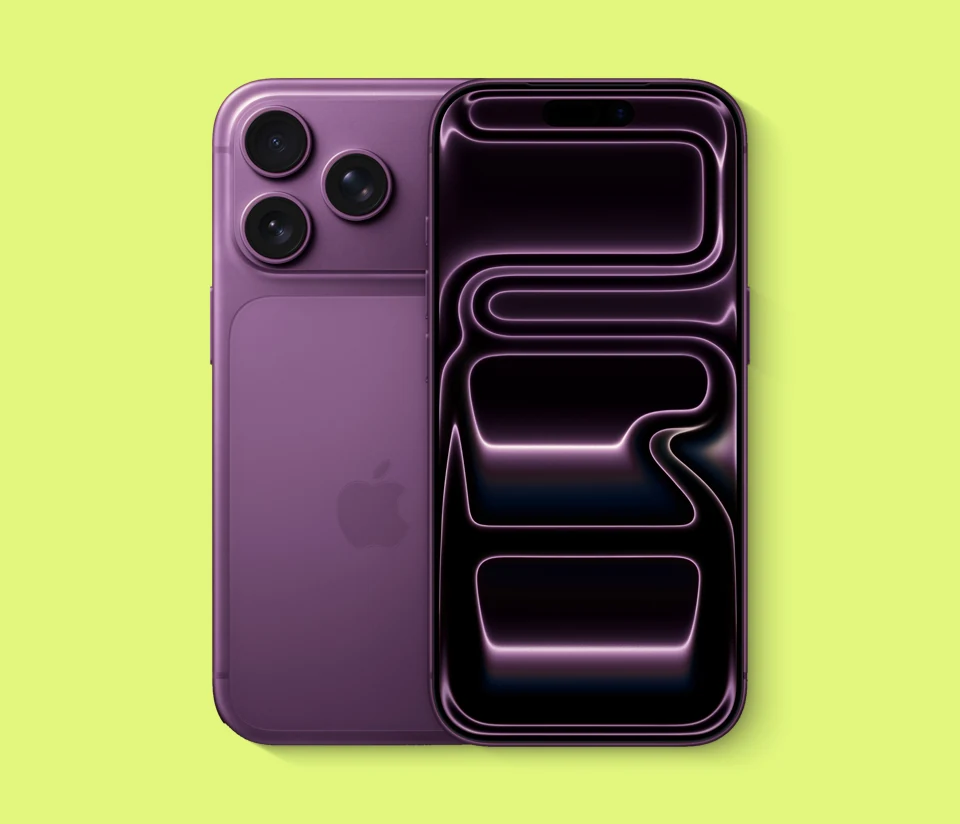
✨A variable-aperture main camera, A20 Pro chip, and up to 36 hours of video playback headline the iPhone 18 Pro's specs.
The iPhone 18 Pro fits three 48MP rear cameras and up to 2TB of storage into a 6.3-inch body. Here's how the hardware breaks down, drawn from Apple's official specifications.
iPhone 18 Pro specifications | |
Display size | 6.3-inch Super Retina XDR OLED |
Resolution | 2622 x 1206 at 460ppi |
Brightness | 1,000 nits maximum typical 1,600 nits peak HDR 3,000 nits peak outdoor |
Refresh rate | ProMotion, adaptive, up to 120Hz |
System chip | A20 Pro |
CPU and GPU | 6-core CPU with 2 super cores and 4 efficiency cores; 7-core GPU with Neural Accelerators |
Neural Engine | Dual 16-core |
Storage options | 256GB 512GB 1TB 2TB |
Battery capacity | 4,288 mAh |
Battery life | Up to 24 hours of typical use, 36 hours of video playback, or 33 hours of streamed video playback |
Wired fast charging speed | Up to 50% in 15 minutes with a 60W or higher adapter |
Wireless charging speed | MagSafe and Qi2 up to 25W |
Rear cameras | Triple-lens setup: 48MP Main Fusion camera with variable aperture (f/1.48, f/1.8, f/2.8, f/4.0); 48MP Fusion Ultra Wide, 13mm, f/2.2; 48MP Fusion Telephoto, 100mm, 4x optical zoom, also enables 12MP optical-quality 8x zoom |
Front camera | 18MP Center Stage |
Video | Up to 4K Dolby Vision at 120fps on the main camera; ProRes up to 4K120 with external recording |
Connectivity | 5G (sub-6GHz and mmWave), Wi-Fi 7, Bluetooth 6, NFC, Thread, and second-generation Ultra Wideband |
Modem | Apple C2, including US models |
SIM support | Dual eSIM |
Security | Face ID |
Operating system | iOS 27, with Apple Intelligence and Siri AI |
Materials | Aluminum unibody, Ceramic Shield 2 front, and Ceramic Shield back |
Durability | IP68 rating for dust, splash, and water resistance |
Dimensions | 5.91 x 2.83 x 0.34 in (150.0 x 71.9 x 8.75 mm) |
Weight | 7.44 oz (211 g) |
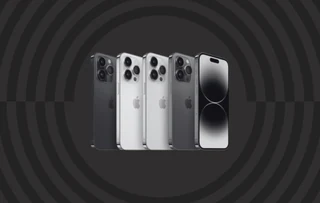
Colors | Black Silver Glacier Burgundy |
Starting price | $1,199 (for the 256GB model) |
✨The iPhone 18 Pro offers flexible camera controls and a smaller build than the 18 Pro Max, but its higher price makes upgrading harder to justify if you're happy with a recent Pro model.
The iPhone 18 Pro gives you advanced photography tools without the Pro Max's larger footprint. Its camera can adjust aperture automatically or let you take control, while faster wired charging adds everyday convenience. The catch? It starts at $100 above the 17 Pro's launch price, so the value really depends on how much you'll use the upgrades.
Pros ✅ | Cons ❌ |
Variable-aperture main camera | $100 price increase over the 17 Pro launch price |
Powerful A20 Pro chip | Familiar screen and design |
Compact size for easy one-handed use | Shorter battery rating than the Pro Max |
Longer-rated battery than the 17 Pro | Charger costs extra |
Faster wired top-ups | Limited everyday upgrade appeal |
Apple C2 modem in US models | Some video modes need extra equipment |
ProRes video recording up to 4K at 120fps | Still weighs 7.44 oz, so it isn't lightweight |
✨Design changes are subtle this generation and the colors are appealing, but the size difference against the 18 Pro Max is what you'll actually feel day to day.
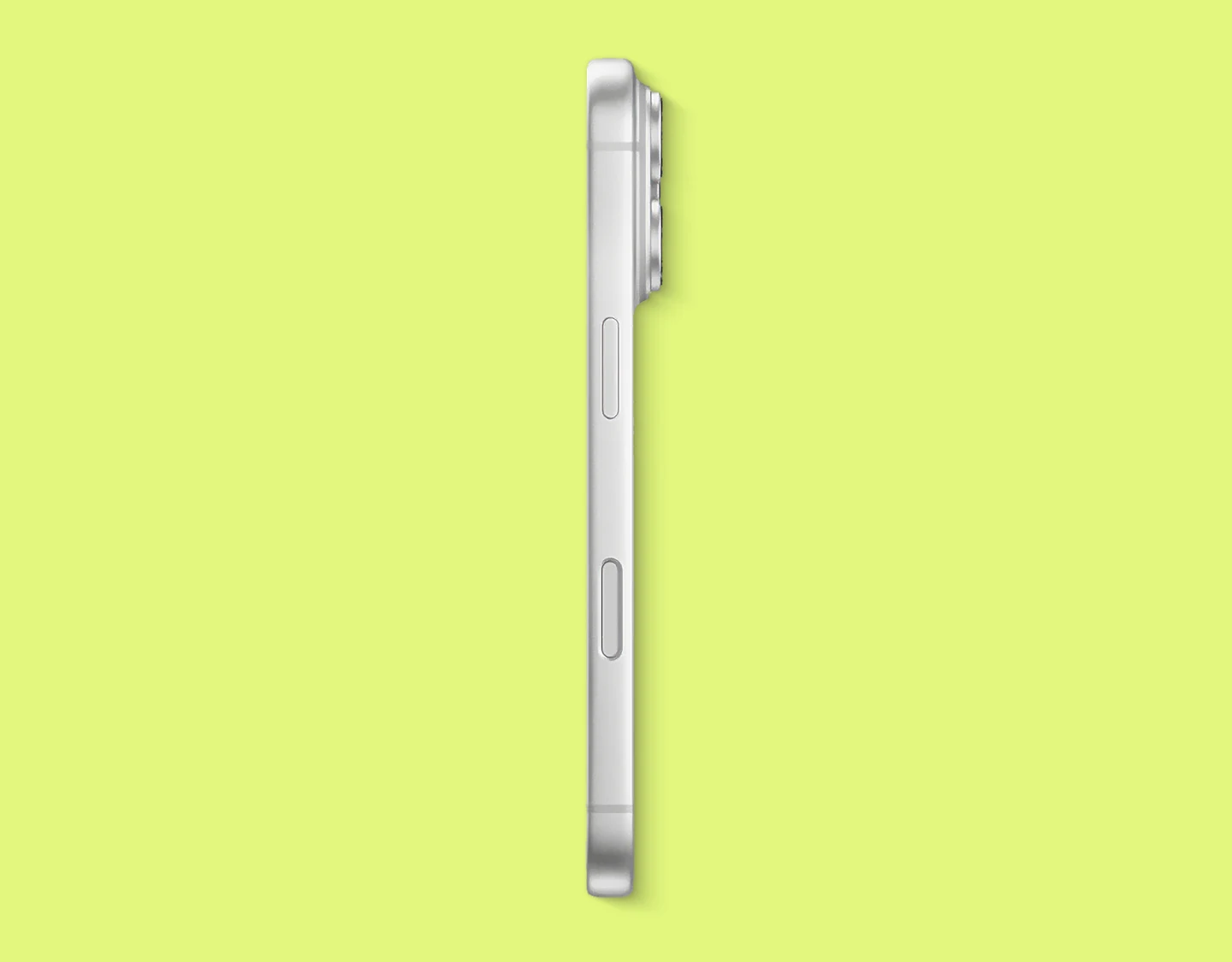
Apple has kept the iPhone 18 Pro's exterior close to last year's blueprint. The flat sides and wide camera plateau carry over from the iPhone 17 Pro, so nothing about picking it up feels unfamiliar. Almost everything Apple changed this generation sits under the glass. Build materials are unchanged on paper. An aluminum unibody sits behind Ceramic Shield 2 at the front and standard Ceramic Shield at the back. What's different is the finish, which Apple has tuned so the rear glass reads as an extension of the metal frame rather than a separate panel. Silver now features a true silver back rather than the lighter, cooler-toned finish of recent years. Slip the phone into an opaque case, though, and none of it survives the trip out of the box. The four iPhone 18 Pro colors are:
Black: Understated and near-total
Silver: Clean, reflective, and the most classic of the four
Glacier: Pale blue with a cool cast
Burgundy: The new deep red, and the finish drawing the most attention
At 5.91 x 2.83 x 0.34 in and 7.44 oz, the Pro undercuts the 18 Pro Max by 1.34 oz. That gap is the whole argument for the smaller model. One-handed scrolling, a pocket you forget about, and no wrist ache during a long video call. What you trade away is screen area and rated endurance, both covered further down this iPhone 18 Pro review.
✨The 6.3-inch display is sharp, fast, and bright, though a slimmer Dynamic Island is the only change you'll actually notice next to last year's model.
The iPhone 18 Pro's display is a 6.3-inch OLED panel running at 2622 x 1206, which works out to 460 pixels per inch. At that density, small text holds its edges and photos keep their fine detail, whether you're reading, streaming, or gaming.
ProMotion handles the refresh rate, scaling it from a battery-sparing low up to 120Hz. Static content such as a paused article draws less power, while scrolling, gaming, and animation get the full rate. The result is motion that stays fluid without the screen drawing 120Hz worth of power all day.
Brightness peaks at 1,000 nits in typical use, 1,600 nits for HDR highlights, and 3,000 nits outdoors. Whether that's enough in direct summer sun depends on the day, but the anti-reflective layer cuts the glare that usually defeats a phone screen outside. The panel also drops to a single nit, which is the setting you'll appreciate reading in bed.
HDR10 and Dolby Vision support means compatible films and shows arrive with the contrast and color range their creators intended. True Tone works quietly in the background, shifting color temperature to suit the light in the room so whites don't turn blue under lamplight.
The one change you will actually see is the Dynamic Island, now physically smaller. It holds up to three Live Activities at once, so directions, a timer, and playback controls can share the space. On a 6.3-inch screen, reclaimed pixels count for more than they do on the Max.
Coming from an iPhone 17 Pro, expect familiarity. Size, resolution, refresh rate, and outdoor brightness all carry over unchanged. A slimmer Dynamic Island is a nice touch rather than a reason to spend $1,199.
✨The A20 Pro chip earns its keep in demanding games, creative work, and on-device AI. If your days are mostly messages and streaming, a recent Pro iPhone already has more speed than you need.
The A20 Pro is built for the heavy end of what a phone gets asked to do, from demanding games to photo and video editing and AI processing. It combines a 6-core CPU, a 7-core GPU, and a dual 16-core Neural Engine on a 2nm process. None of that changes how quickly a message sends, which is why recent Pro models still feel fast.
Apple puts the A20 pro’s CPU performance at up to 20% faster and GPU performance at up to 40% faster than the A19 Pro in the iPhone 17 Pro. MacRumors reports these separate gains, alongside a redesigned cooling system with a vapor chamber covering three times the surface area of the previous design. Both remain manufacturer figures at this stage, so read them as a ceiling rather than a promise.
Sustained performance is the metric to watch because it shows how well the phone maintains its speed as it heats up. Long gaming sessions, 4K video exports, and extended camera recording are where better cooling could make a practical difference, and those workloads need longer independent testing before anyone can confirm Apple's numbers.
For gaming, the combination of updated graphics hardware and a 120Hz panel is a strong one. The question is whether it solves a problem you currently have. If your 17 Pro already runs your library without stuttering, a faster chip on its own is a thin reason to upgrade.
✨The iPhone 18 Pro camera hands real control to photographers and filmmakers, and it carries exactly the same hardware and recording tools as the Pro Max in a smaller body.
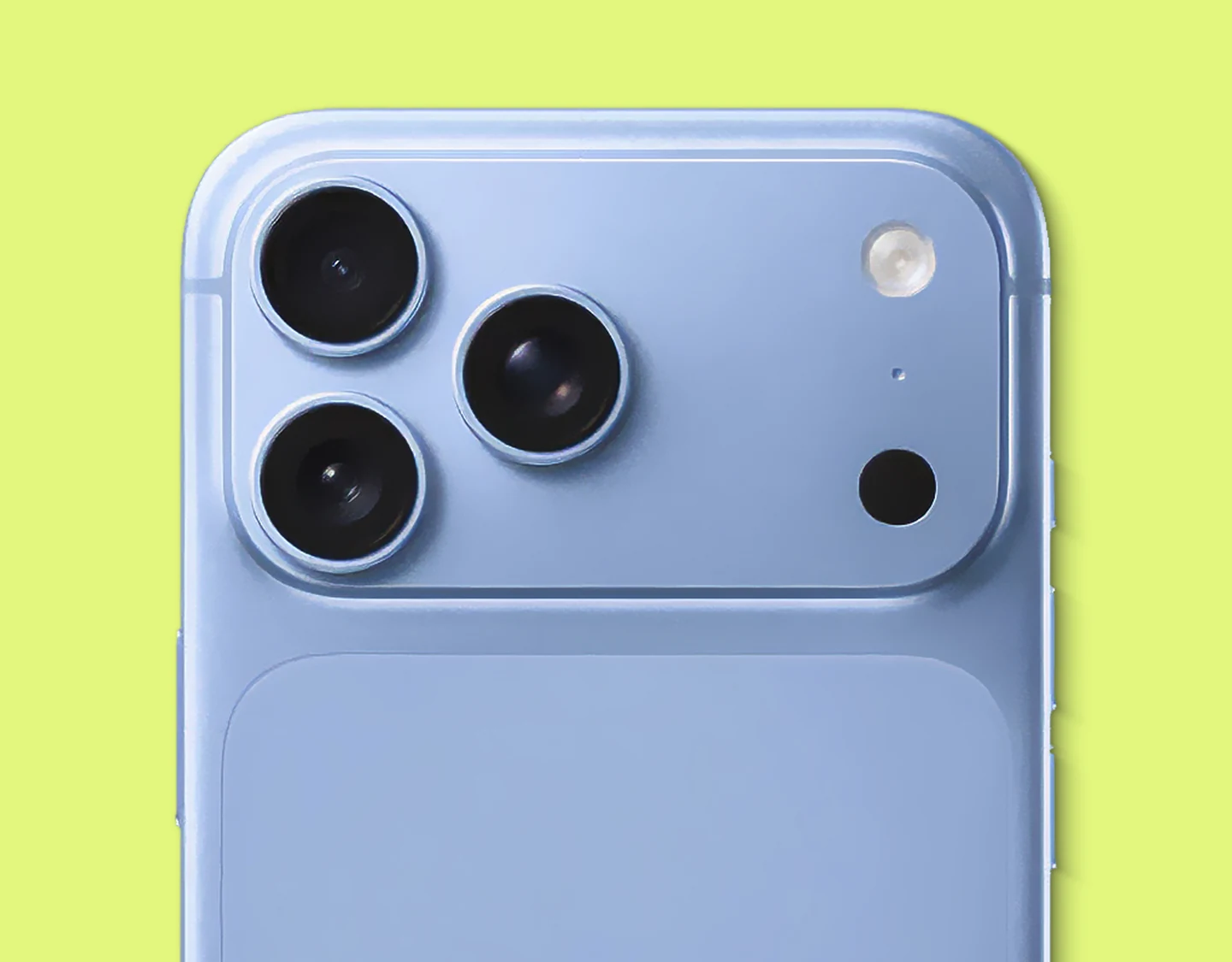
Creative control is where the iPhone 18 Pro camera pulls ahead, and the variable-aperture main lens is the reason. It hands you decisions about light and depth of field that previous iPhones made on your behalf. How much cleaner the resulting images actually are is a question for independent testing.
According to Macworld, a six-blade iris inside the 48MP main camera opens and closes like a pupil, moving between f/1.48, f/1.8, f/2.8, and f/4.0. Open it up and more light reaches the sensor while backgrounds fall away. Close it down and the zone of sharp focus stretches deeper into the frame. The phone will choose for you, or you can take the decision yourself in Pro controls.
In practice, this could help with low-light shots, give you more control over portrait depth, and keep more faces sharp in group photos. The effect depends on lighting and the subjects' distance from the camera. You don't need to learn manual controls in order to use these features.
Either side of the main lens, the supporting cameras cover the rest of the range. The 48MP ultrawide takes on landscapes and macro work, and the 48MP telephoto reaches 4x optically. Apple's 8x setting is a crop of that sensor delivering a 12MP file, so read it as optical quality rather than a separate 8x optical lens.
The 18MP Center Stage front camera widens its field automatically as more people crowd into a selfie. On the video side you get 4K Dolby Vision at up to 120fps from the main camera, Smart focus tracking, ProRes, ProRes RAW capture, Cinematic effects applied after the fact, and 4K Dolby Vision time-lapse. A few of the professional modes, ProRes at 4K120 among them, write to external storage, which is a cost worth planning for.
Smart focus tracking uses on-device intelligence to follow your chosen subject as it moves through the scene, including when it leaves and reenters the frame. That could help when photographing or filming children, pets, or other unpredictable subjects.
ProRes RAW preserves raw sensor data, giving filmmakers more flexibility over the image during editing. It suits creators who want to fine-tune their footage in compatible software, rather than simply shoot and share. It isn’t exclusive to the 18 Pro: the 17 Pro also supports ProRes RAW through apps such as Apple’s Final Cut Camera.
One point matters above the rest when weighing the two Pro models. Camera hardware is identical across both. The same three 48MP lenses, the same variable aperture, the same video toolset. Choosing the smaller phone costs you nothing photographically, though the Pro Max's bigger screen and longer battery rating still suit extended shoots.
If photography is what's pulling you toward an upgrade, our guide to which iPhone has the best camera compares the alternatives before you commit to the newest model.
✨Battery ratings and charging speeds both improve on the iPhone 17 Pro, but if your current phone already sees you to bedtime, neither is a reason to spend $1,199.
The US iPhone 18 Pro comes with a 4,288 mAh battery, which is a modest increase over the US iPhone 17 Pro’s 4,252 mAh, so capacity alone doesn’t explain the longer battery life ratings.
Apple's ratings for the iPhone 18 Pro come in at up to 24 hours of typical use, 36 hours of locally stored video, and 33 hours of streamed video. Those are three separate tests, not three ways of saying the same thing. The 36-hour figure describes video playback under controlled conditions, which is nobody's actual Tuesday.
Against the iPhone 17 Pro, that local video rating adds three extra hours. Useful for watching downloaded films on a long flight, but it doesn’t establish the same gain when filming or using mobile data. The 17 Pro was hardly short of stamina to begin with, so the honest test is simple. Does your current phone give out before you do? If it doesn't, this is a specification rather than a solution.
Charging is the clearer gain. Apple rates the Pro at up to 50% in roughly 15 minutes using a 60W-capable adapter that supports Adjustable Voltage Supply, where the iPhone 17 Pro was rated up to 50% in 20 minutes with a 40W adapter. Note the wording, because a 60W-capable adapter is what the figure requires, not a rate the phone draws throughout. The adapter costs extra. Wireless charging tops out at 25W over MagSafe and Qi2.
Across this year's two Pro models, endurance is where the Max stays ahead. Apple rates it at up to 45 hours of video playback, 9 hours beyond the Pro. That is the central trade-off of the smaller phone, and our guide to which iPhone has the best battery life helps you weigh it against older models you may already own.
✨iOS 27 adds genuinely useful AI and creative features to the iPhone 18 Pro, but older Pro models receive most of them too, which weakens the upgrade argument.
iOS 27 brings new AI assistance and creative tools to the iPhone 18 Pro, and to a long list of older iPhones at the same time. Software is part of what you're buying here, but very little of it belongs to the new hardware alone.
Siri AI takes requests phrased the way you'd say them out loud and can draw on context from supported apps to finish a task. A dedicated app stores what you've already asked, so picking up an earlier thread doesn't mean starting it over.
Editing gains ground as well. Apple lists Spatial Reframing for recomposing a shot, Extend for filling in beyond the original frame, and Clean Up for removing whatever wandered into it. Photographic Styles pick up texture and grain controls, while Camera Pro settings put shutter speed, white balance, and the new aperture control within reach of the hardware they drive.
So how much of this actually needs new hardware? The iPhone 17 Pro receives iOS 27 and Siri AI as well. The A20 Pro's dual 16-core Neural Engine should handle on-device processing more quickly, but speed is a different claim from access. Buying a phone to obtain software your current phone is already getting is a poor trade.
If you already run a Mac, an Apple Watch, and AirPods, the handoffs between them remain part of what makes any iPhone appealing. That argument works just as well for the iPhone in your pocket today. Keeping a working setup running is a legitimate strategy, not a compromise.
✨The iPhone 18 Pro offers useful specialist upgrades, but most iPhone 17 Pro owners have little reason to upgrade unless they need the new camera controls or extra storage.
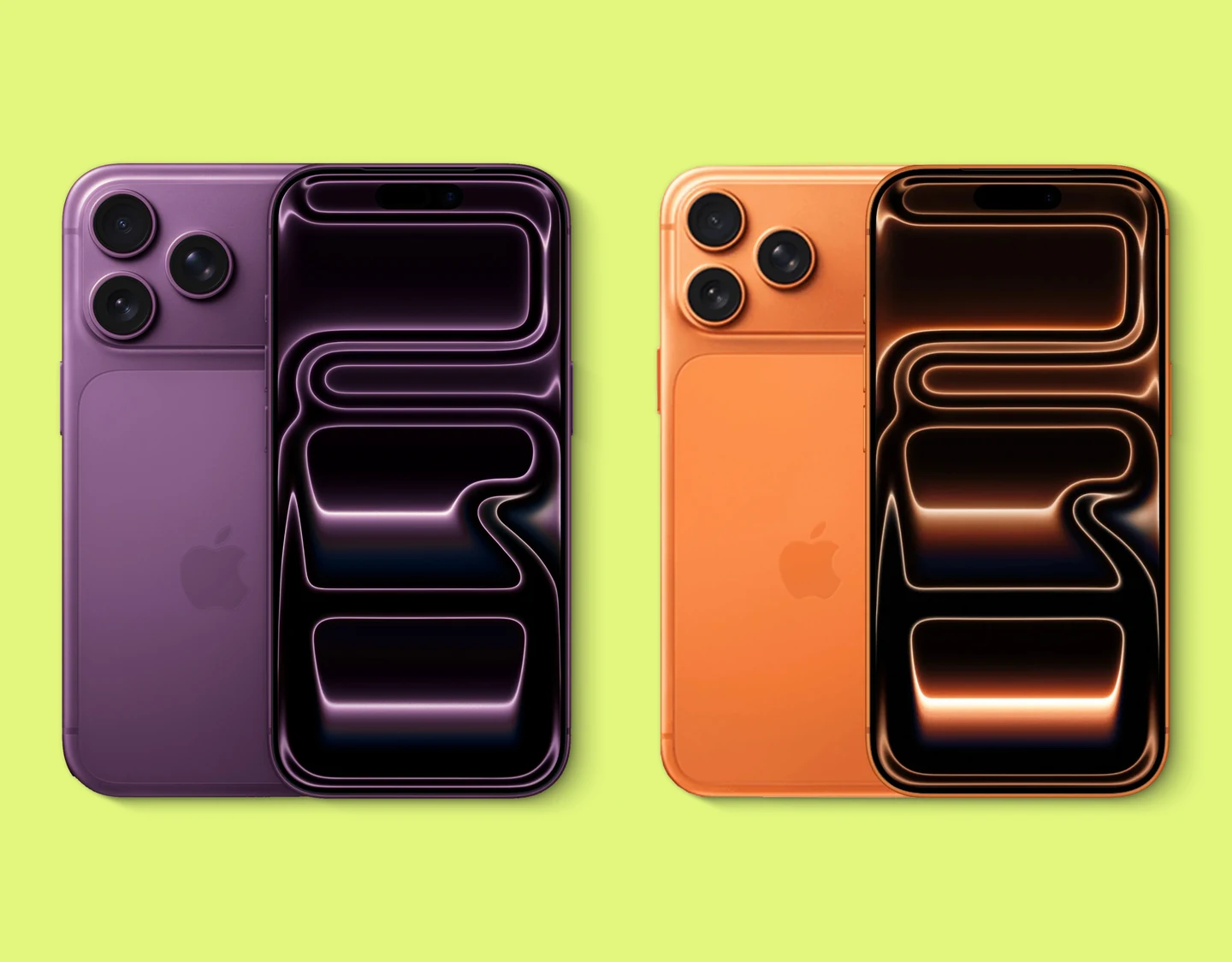
"Just get the 17 Pro unless you absolutely need one of the new colors." – Reddit User.
Most iPhone 17 Pro owners will struggle to build a case for this upgrade. The 18 Pro adds aperture control, a quicker chip, and a slightly better battery rating. Set against a phone that already handles everything asked of it, that list reads as refinement rather than reinvention.
Feature | iPhone 18 Pro | iPhone 17 Pro |
Display | 6.3-inch OLED; ProMotion up to 120Hz | 6.3-inch OLED; ProMotion up to 120Hz |
Chip | A20 Pro | A19 Pro |
GPU | 7-core with neural accelerators | 6-core with neural accelerators |
Rear cameras | Three 48MP cameras; variable-aperture main lens | Three 48MP cameras; fixed f/1.78 main lens |
Telephoto lens specs (included in the rear camera setup) | 4x optical; 8x optical-quality option | 4x optical; 8x optical-quality option |
Front camera | 18MP Center Stage | 18MP Center Stage |
Video playback | Up to 36 hours | Up to 33 hours |
Wired charging speed | Up to 50% in around 15 minutes with a 60W adapter | Up to 50% in 20 minutes with a 40W adapter |
Weight | 7.44 oz | 7.27 oz |
Storage options | 256GB, 512GB, 1TB, 2TB | 256GB, 512GB, 1TB |
Starting price | $1,199 | $1,099 at launch |
Aperture control is hardware. No iOS update will ever put a moving iris behind your 17 Pro's fixed f/1.78 lens, so if you shoot often, this is the upgrade that genuinely requires a new phone.
A 2TB storage option and faster top-ups may also appeal to you if you record a lot of video. The 18 Pro also raises Cinematic recording from 4K Dolby Vision at 30fps to 60fps, while both phones already support main-camera 4K Dolby Vision at 120fps.
For everything else, the argument thins out quickly. Identical screen, a chip that was never the bottleneck, and the same iOS 27 update landing on both phones. When your current model already does the job, not replacing it is the easiest money you'll save all year.
If you're shopping for a replacement, compare current refurbished iPhone 17 Pro prices before paying $1,199 for the new model. If you're also considering the standard model, our iPhone 17 review explains what it offers and what the previous generation still does well.
✨The iPhone 18 Pro adds camera flexibility, faster charging, and longer rated battery life, but a working iPhone 16 Pro still gives you plenty of reasons to keep it.
Upgrading from the iPhone 16 Pro makes most sense if you regularly hit its camera or battery limits. The 18 Pro brings variable aperture, an upgraded telephoto sensor, and faster wired charging, while keeping the same 6.3-inch screen size.
Feature | iPhone 18 Pro | iPhone 16 Pro |
Display | 6.3-inch OLED; ProMotion up to 120Hz | 6.3-inch OLED; ProMotion up to 120Hz |
Chip | A20 Pro | A18 Pro |
Main camera | 48MP; variable f/1.48-f/4.0 aperture | 48MP; fixed f/1.78 aperture |
Telephoto | 48MP; 4x optical and 8x optical-quality zoom | 12MP; 5x optical zoom |
Front camera | 18MP Center Stage | 12MP TrueDepth |
Video playback | Up to 36 hours | Up to 27 hours |
Wired charging | Up to 50% in around 15 minutes with a 60W-or-higher AVS-compatible adapter | Up to 50% in around 30 minutes with a 20W-or-higher adapter |
Storage | 256GB, 512GB, 1TB, 2TB | 128GB, 256GB, 512GB, 1TB, 2TB |
For photographers, variable aperture is the clearest new creative tool. The telephoto comparison is less straightforward. The 18 Pro has a higher-resolution sensor, but the 16 Pro already offers a dedicated 5x lens. More megapixels alone don’t establish better results in every situation.
Apple’s nine-hour video playback increase also looks appealing, but it doesn’t promise nine extra hours of mixed everyday use. If your 16 Pro already lasts through your day and takes photos you love, keeping it is a sensible choice. If you’re in the market for a replacement, a refurbished iPhone 16 Pro could still meet your needs without the cost of buying the latest new model.
✨The iPhone 18 Pro and iPhone 18 Pro Max share the same chip and cameras, so your choice mostly comes down to size, battery life, and a $100 starting-price difference.
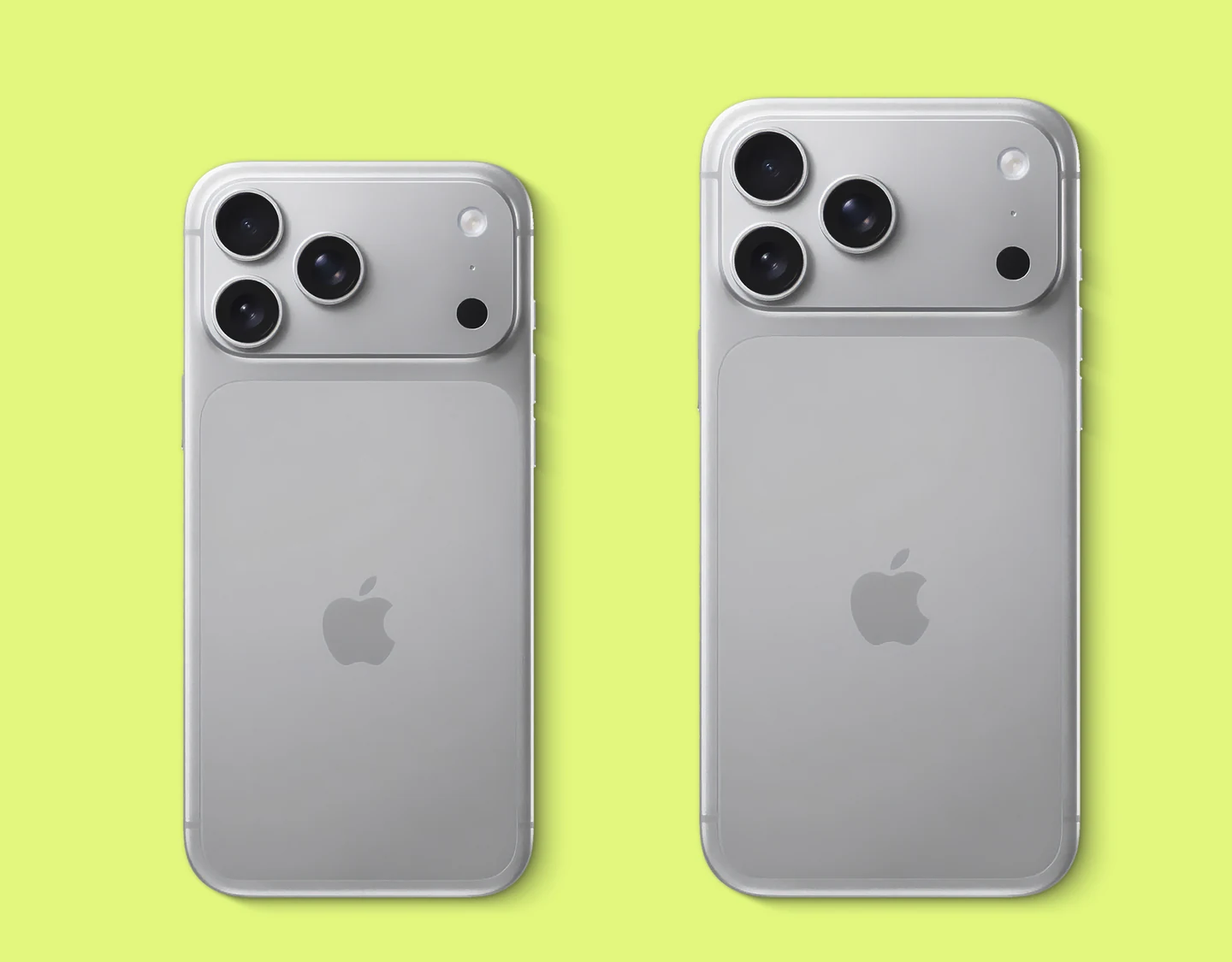
Choose the iPhone 18 Pro if you want flagship hardware in a smaller, lighter phone that's $100 cheaper at the same storage capacity. Choose the iPhone 18 Pro Max if battery endurance and screen space matter more than portability. The cameras, chipset, and software are shared between the two, so you don't need to buy the larger phone for better camera specifications.
Feature | iPhone 18 Pro | iPhone 18 Pro Max |
Display | 6.3-inch OLED | 6.9-inch OLED |
Weight | 7.44 oz (211 g) | 8.78 oz (249 g) |
Chip | A20 Pro | A20 Pro |
Rear cameras | Three 48MP cameras; variable aperture | Three 48MP cameras; variable aperture |
Battery rating for typical use | Up to 24 hours | Up to 30 hours |
Battery rating for video playback | Up to 36 hours | Up to 45 hours |
Modem (US models) | Apple C2 | Qualcomm |
Storage options | 256GB, 512GB, 1TB, 2TB | 256GB, 512GB, 1TB, 2TB |
Starting price | $1,199 | $1,299 |
Endurance is where the two separate. The Pro Max's 9 extra hours of rated video playback suit long travel days, heavy camera use, and anyone who reaches the evening on fumes. The Pro answers with 1.34 oz less to carry and a frame that works one-handed.
There is one less obvious difference: US iPhone 18 Pro models use Apple's own C2 modem, while US iPhone 18 Pro Max models use a Qualcomm modem. Both connect to 5G, though, including mmWave, and everyday performance should be comparable. Our iPhone 18 Pro Max review covers the larger model in full if endurance is your priority.
✨The iPhone 18 Pro is the better buy for camera range and everyday simplicity. The iPhone Duo earns its price only if you have a genuine daily use for the larger folding screen.

The iPhone 18 Pro suits you better if camera range and a conventional design matter most, while the iPhone Duo makes sense when that folding workspace earns regular use. Be honest about what you'd do with the extra space. Reading long documents, running two apps side by side, and reviewing shots all genuinely improve. Novelty, though, is an expensive reason to buy a phone, and a folding screen you rarely open is a costly way to learn you preferred the conventional one.
Feature | iPhone 18 Pro | iPhone Duo |
Screen layout | One 6.3-inch display | 5.4-inch outer display and 7.6-inch inner display |
Processor | A20 Pro | A20 Pro |
Main camera | 48MP with variable aperture | 48MP with fixed aperture |
Dedicated telephoto lens | Yes, 4x optical | No |
Stylus support | No | Apple Pencil USB-C support to come later |
Best reason to choose it | Camera versatility in a pocketable design | More space for multitasking, reading, and creative work |
Against the Duo, the Pro's advantage is reach and control: a 4x telephoto for subjects you can't walk up to, and an iris that opens or closes to suit the scene.
The Duo keeps its best feature behind a hinge, though the outer display handles quick tasks while closed. Open it and you gain room for two apps at once, full-width documents, or a larger viewfinder. Duo Preview also puts a live image on the outer screen, so whoever you're photographing can see the shot as you frame it.
The iPhone Duo goes on sale on October 23, 2026. If your current phone can hold out until then and the folding format tempts you, waiting costs nothing and lets you judge it in person. Our iPhone Duo review digs into whether a hinge earns its place in daily use.
✨The iPhone 18 Pro justifies itself when it replaces a phone that's holding you back, not when it simply replaces last year's model.
"Could wait one more year and see if the 19/20/XX is appealing. I'm upgrading this year. But I'm coming from a 13 Pro." – Reddit User.
Upgrading from an iPhone 13 or older is where the 18 Pro makes obvious sense, particularly if your current phone has started to strain. iPhone 14 and 15 owners sit in the middle, where the answer depends on which model you hold and what frustrates you about it. Recent Pro owners are better off staying put.
Your current phone | Our verdict: Should you upgrade? | What should guide your decision |
iPhone 13 or older | Yes, but buy refurbished. | You'd clear several generations of camera and processing work in a single move. Price a refurbished 16 Pro or 17 Pro first, since either may cover what you need for less. |
iPhone 14 or 14 Pro | Only if it's holding you back. | Camera flexibility, USB-C charging, and access to Apple Intelligence may appeal to you. If battery wear is your main complaint, price a replacement battery first. |
iPhone 15 or 15 Plus | Consider a refurbished Pro. | A dedicated telephoto camera, a display with refresh rates of up to 120Hz, and Apple Intelligence support make this a broader upgrade than moving from a 15 Pro. |
iPhone 15 Pro | No, unless you'll use the aperture control. | Aperture control and the longer battery rating matter most to heavy users. Raw speed on its own rarely justifies replacing a phone that still works. |
iPhone 16 or 16 Pro | Keep it unless you need specific camera upgrades. | Standard 16 owners gain more camera and display features by moving to a Pro model. For 16 Pro owners, variable aperture is a more specific reason to upgrade; Apple Intelligence alone isn't. |
iPhone 17 Pro | No, for most people. | Screen, camera resolution, and day-to-day use barely move. Only worth it if aperture control or the extra endurance fixes something that frustrates you regularly. |
A new model launching doesn't retroactively make your phone inadequate. When the complaint is battery wear, price a battery replacement before pricing a phone. When it's storage, clearing old downloads and offloading files often recovers more space than you'd expect.
Nor is the newest Pro your only route. Our iPhone 17 review and our guide to new vs. refurbished iPhones set out what the previous generation still delivers and what you give up by not buying new.
✨When $1,199 is more than you want to spend, RefurbLane's refurbished iPhones bring the price down all year round, with buyer protection attached.
Buying refurbished from RefurbLane is among the simplest ways to pay less for an iPhone at any point in the year. Black Friday, seasonal promotions, and retailer discounts are worth watching too. Bundles need more care, since a discount on accessories you'd never have bought isn't a saving. Our guide to the best time to buy a refurbished iPhone sets out when prices usually fall and how to time your purchase.
Our preference? Ignore the countdown clock entirely. Professionally refurbished iPhones on RefurbLane run 20% to 50% below new, with the exact figure depending on model, condition, and what sellers have listed. Stepping back a generation, or choosing a color nobody else wanted, stretches the budget further still.
Every purchase carries the RefurbLane Promise, which includes a 1-year warranty and 30 days to send it back. That's a full month to find out whether the phone suits how you actually live.
✨A refurbished iPhone can match the performance you need for considerably less money, while keeping working hardware out of a drawer and out of landfill.
"I ordered the iPhone 15 Pro Max in premium condition on March 18, and paid for the $5 express shipping. I received it 2 days later, and although I ordered premium condition, I was still shocked by how high-quality the phone was when I saw it. Not a single scratch or mark on the front, back, or sides. Battery health is at 100% with only 11 charge cycles. I basically got a brand new iPhone 15 Pro Max for $500 off!" - Patrick B. Reviewed 3/29/26
Yes. A refurbished iPhone delivers the features most people actually use at a far kinder price, and RefurbLane listings sit 20% to 50% below new.
Before anything is listed, professional refurbishers test the device, clean it, wipe the previous owner's data, and repair or swap any component that fails inspection. Full functionality is the baseline rather than the selling point. Cosmetic grades then let you decide how much visible wear you're willing to trade for a lower price.
Battery health on RefurbLane iPhones starts at 80%, so the cell still holds at least four fifths of its original capacity. The 1-year warranty and 30-day return window apply here as well.
The upside isn't only financial. Every refurbished phone that finds a second owner is one more device staying in use, one less pile of e-waste, and one fewer unit that had to be manufactured. That's the circular economy doing its job, squeezing more life out of tech that already exists.
RefurbLane Trade-in converts the eligible device gathering dust in your drawer into money and gives it another owner. Three steps cover the whole process:
Get an offer: Tell us what you have and what condition it’s in, and a professional refurbisher quotes you a price.
Ship it for free: Accept, back up and wipe your data, sign out of your account, then send it off with the prepaid label.
Get paid: The refurbisher confirms the condition matches, and the money lands in your bank account.
An unused phone in a drawer earns nothing. Traded in, it can fund part of your next one and keep working components in circulation.
The new iPhone 18 Pro starts at $1,199 for the 256GB model, $1,399 for 512GB, $1,799 for 1TB, and $2,399 for 2TB. That's $100 above the iPhone 17 Pro's launch price. Pick carefully, because internal storage is fixed at purchase. There's no card slot, and neither iCloud nor a USB-C drive adds room for apps. Very few people need to spend that much to get a good iPhone. Refurbished alternatives on RefurbLane, the iPhone 17 Pro, 16 Pro, and 15 Pro among them, pair capable cameras and plenty of performance with far smaller price tags. The table below lays out the comparison.
Model | RefurbLane price | Price of new |
$388 | $999 | |
$476 | $999 | |
$610 | $999 | |
$879 | $1,099 |
*RefurbLane prices taken at the date of publication; these are subject to change.
For most people reading this, the answer is a refurbished iPhone 17 Pro. It has the same screen, the same three 48MP cameras, and gets the same iOS 27 update, at a price that isn't close to $1,199.
The iPhone 18 Pro earns its money in one situation: you shoot photos or video seriously, you'll actually use the variable aperture, and you're replacing something much older. From an iPhone 13 or below, the jump is real. From a 15 Pro it depends entirely on how much you shoot. From a healthy 17 Pro, there's nothing here worth $1,199.
Buy the phone that fixes something. For most people, the thing that needs fixing costs a lot less than a new Pro.

Miguel is always looking for new ways to provide unique perspective on popular tech and has taken his writing to the refurbished industry to promote sustainability. Outside of creating content, you might find him travelling the globe, coaching a fitness class, or cheering on his favorite sports teams (Go Dolphins!)