
Compare models

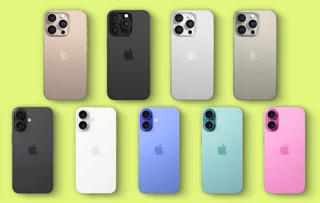
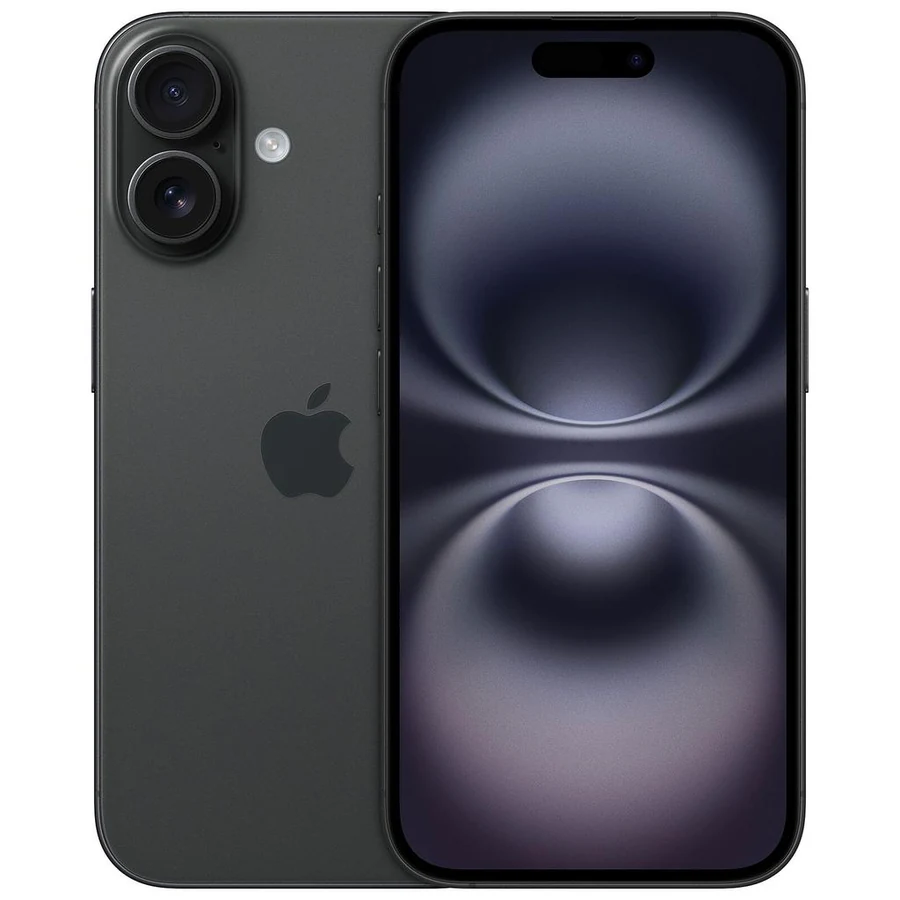
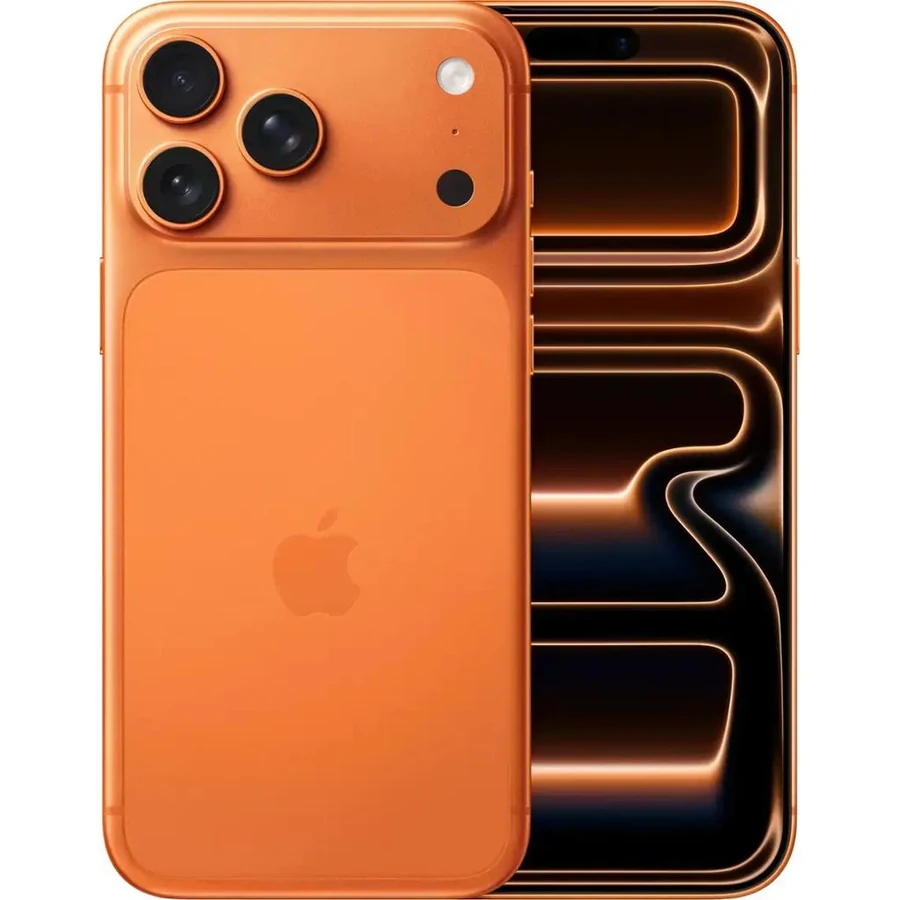
iPhone 16 · E wātea ana ki ngā whatunga katoa vs iPhone 17 Pro Max · E wātea ana ki ngā whatunga katoa

  • Pūtāhui kotahi tau
  • Shipping rates shown at checkout
  • Ka taea te whakahoki i roto i ngā rā 14 (ka pā ngā tikanga tuku whakahoki)
iPhone 16 · E wātea ana ki ngā whatunga katoa
Mai i

Utu mō te mea kua whakahoungia:USD 189 $

Utu mō te mea hou · USD 729 $

Tirohia ngā kōwhiringa
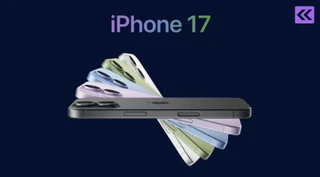
iPhone 17 Pro Max · E wātea ana ki ngā whatunga katoa
Mai i

Utu mō te mea kua whakahoungia:USD 356 $

Utu mō te mea hou · USD 1199 $

Tirohia ngā kōwhiringa

He tirohanga poto ki ngā rerekētanga

The iPhone 16 (2024) and the iPhone 17 Pro Max (2025) represent different tiers and release years within Apple's smartphone lineup. While the iPhone 16 is designed as a streamlined, everyday device, the iPhone 17 Pro Max serves as a larger-format option loaded with advanced hardware capabilities. Both smartphones operate on Apple's software ecosystem, but they target distinct user preferences through differing physical dimensions, processing power, and display technologies.

Ngā tauira e wātea ana

Tae

Storage (GB)

Ngā kaute

Te pakari

When evaluating hardware longevity and software support, both devices benefit from Apple's long-standing update path, though their release schedules place them a year apart.

  • Software Support: Both smartphones receive multi-year operating system updates, with the newer model providing an extended support window due to its subsequent release year.
  • Build Durability: Each device incorporates durable glass front protection and water-resistant sealing rated for accidental immersion, supporting reliable day-to-day resilience.
  • Expected Lifespan: The hardware capability of both models ensures extended usability, making them sustainable choices for users planning multi-year ownership cycles.

Te tau i tukuna ai

2024

2025

Te pūnaha whakahaere hototahi hōu rawa

Āe

Āe

Foldable

Kāo

Kāo

Te kaha mahi

Daily execution speeds and multitasking behavior differ noticeably based on internal hardware configurations and memory capacity.

  • Multitasking and Apps: The iPhone 17 Pro Max features expanded memory capacity, allowing demanding applications and heavy multitasking workflows to remain active in the background without reloading.
  • Processor Responsiveness: Both devices handle everyday tasks, web browsing, and casual gaming smoothly, while the newer generation handles intensive graphics and processing tasks with greater thermal efficiency.
  • Storage Options: The iPhone 16 provides standard storage capacities suited for moderate media libraries, whereas the iPhone 17 Pro Max scales to much higher maximum capacities for large file storage.

Te kounga o te mata

Display performance varies significantly in physical dimensions, fluidity, and outdoor visibility.

  • Refresh Rate and Fluidity: The iPhone 17 Pro Max includes adaptive high refresh rate technology for smoother scrolling and motion rendering, whereas the iPhone 16 utilizes a standard refresh rate.
  • Size and Viewing Area: The iPhone 17 Pro Max offers a much larger screen format suited for immersive media consumption, while the iPhone 16 provides a compact footprint that fits easily into smaller pockets.
  • Brightness and Clarity: Both models utilize high-contrast OLED panels with sharp pixel densities, ensuring clear text and vibrant images, though the pro model reaches higher peak outdoor brightness levels.

Taumira

1179 x 2556

2868x1320

Te momo mata

Super Retina XDR OLED

Super Retina XDR

Te ataata me te oro

Media creation and audio-visual playback capabilities reflect the different market positions of each phone.

  • Camera Systems: The iPhone 16 relies on a dual-lens setup suitable for everyday snapshots and wide-angle photos, while the iPhone 17 Pro Max incorporates a triple-lens system with an extended optical zoom range for distant subjects.
  • Video and Low Light: The pro model offers advanced recording formats and enhanced low-light detail retention, making it well-suited for detailed video capture.
  • Audio Output: Both devices deliver balanced stereo sound for media playback and clear microphone pickup during calls and voice recordings.

Kāmera matua

48 megapixels

48 megapixels

Kāmera o mua

12 megapixels

18 megapixels

Ētahi atu āhuatanga

Practical daily usability elements, connectivity standards, and physical handling characteristics shape the user experience.

  • Dimensions and Weight: The iPhone 16 is lightweight and compact for single-handed use, whereas the iPhone 17 Pro Max is significantly heavier and wider due to its large display and larger battery capacity.
  • Hononga: Both models support modern wireless networks, fast cellular data standards, and universal USB-C charging interfaces.
  • Biometrics: Secure facial recognition technology is built into both devices for authentication and purchases.

Taumaha

6.00 oz (170 g)

8.22 oz (233 g)

Te rahi o te mata (inihi)

6.1

6.9

Whatunga

5G

5G

Kāri SIM

eSIM

eSIM

Carrier compatibility

E wātea ana ki ngā whatunga katoa

E wātea ana ki ngā whatunga katoa

Tūhono

USB-C (USB 2)

USB-C

Ngā whakaaro o te hapori

Users prioritizing a lightweight, compact form factor for daily communication will find the iPhone 16 well-suited to their needs. Conversely, users who prioritize an expansive display, extended battery capacity for heavy travel days, and advanced camera flexibility often lean toward the iPhone 17 Pro Max. Both models serve as reliable daily drivers depending on individual preferences for size and capability.

For buyers looking to make an eco-friendly purchase without buying brand new, opting for a quality-assured refurbished option through RefurbLane provides a sustainable path to acquiring either device.

Ā mātou whakataurite hou

WhatsApp