
Compare models

iPhone 14 Pro Max · E wātea ana ki ngā whatunga katoa vs iPhone 17 Pro Max · E wātea ana ki ngā whatunga katoa

  • Pūtāhui kotahi tau
  • Shipping rates shown at checkout
  • Ka taea te whakahoki i roto i ngā rā 14 (ka pā ngā tikanga tuku whakahoki)
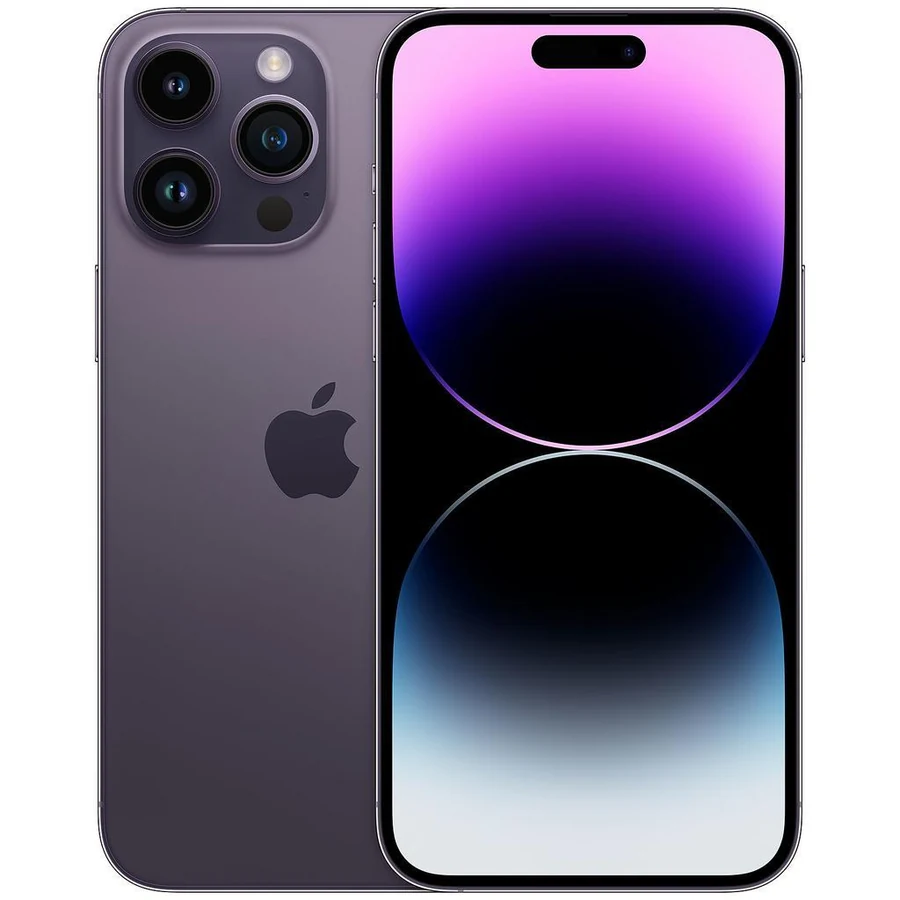
iPhone 14 Pro Max · E wātea ana ki ngā whatunga katoa
Mai i

Utu mō te mea kua whakahoungia:USD 173 $

Utu mō te mea hou · USD 1099 $

Tirohia ngā kōwhiringa
iPhone 17 Pro Max · E wātea ana ki ngā whatunga katoa
Mai i

Utu mō te mea kua whakahoungia:USD 356 $

Utu mō te mea hou · USD 1199 $

Tirohia ngā kōwhiringa

He tirohanga poto ki ngā rerekētanga

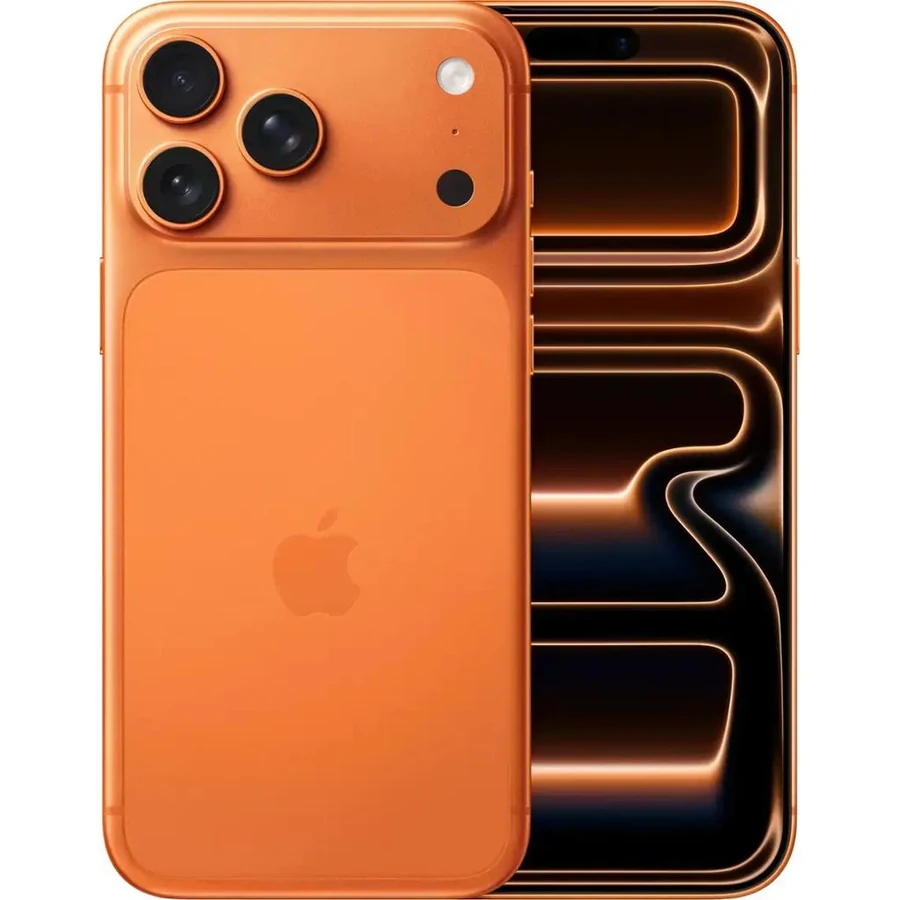
The iPhone 14 Pro Max (2022) and the iPhone 17 Pro Max (2025) represent large-format smartphones designed for users seeking expansive displays and high-tier processing capabilities. While both models run on Apple's iOS ecosystem and feature premium build qualities, the iPhone 17 Pro Max introduces a refined industrial design, enhanced screen real estate, and more advanced internal processing compared to its older counterpart.

Ngā tauira e wātea ana

Tae

Storage (GB)

Ngā kaute

Te pakari

When evaluating longevity, the iPhone 14 Pro Max and iPhone 17 Pro Max differ primarily in their release timelines and projected software support windows.

  • Release timeline and software support: The iPhone 14 Pro Max launched in 2022, whereas the iPhone 17 Pro Max debuted in 2025. Because software updates typically continue for several years after a device's release year, the newer model benefits from an extended support window.
  • Repairability and durability: Both devices feature robust water resistance ratings and durable exterior materials designed to withstand everyday wear. Users can also look to quality-assured refurbished options as a sustainable choice that extends device lifecycles while maintaining hardware reliability.

Te tau i tukuna ai

2022

2025

Te pūnaha whakahaere hototahi hōu rawa

Āe

Āe

Pūnaha whakahaere

iOS

iOS

Foldable

Kāo

Kāo

Te kaha mahi

Both smartphones handle demanding daily tasks, heavy multitasking, and complex applications smoothly, though the newer model provides additional performance headroom.

  • Multitasking and responsiveness: Generous RAM allocations on both devices allow users to switch between multiple open apps without noticeable lag or reloading.
  • Battery behavior: Each model delivers enough battery capacity to get a typical user through a full day of mixed use, though thermal efficiency improvements in the newer model help maintain sustained performance during extended gaming or media export sessions.

Te kounga o te mata

The viewing experiences on both devices rely on high-refresh-rate OLED technology, though display dimensions and peak brightness parameters differ slightly.

  • Display technology and size: The iPhone 14 Pro Max utilizes a 6.7-inch display, while the iPhone 17 Pro Max expands the viewing area to 6.9 inches within a similar physical footprint due to slimmer bezels.
  • Outdoor visibility: Both screens feature adaptive refresh rates reaching up to 120Hz for smooth scrolling, with the newer model offering higher peak outdoor brightness levels for improved legibility under direct sunlight.

Taumira

1290 x 2796

2868x1320

Te momo mata

LTPO Super Retina XDR OLED

Super Retina XDR

Te ataata me te oro

Camera capabilities on both smartphones cater to detailed photography and high-resolution video recording, featuring multi-lens configurations with optical image stabilization.

  • Everyday and low-light photography: Both models capture sharp, color-accurate images in varied lighting conditions, utilizing computational photography tools to preserve shadow and highlight details.
  • Video recording: Users can record high-definition video with stable movement tracking and professional-grade color profiles, making both devices well-suited for mobile content creation and casual recording alike.

Kāmera matua

48 megapixels

48 megapixels

Kāmera o mua

12 megapixels

18 megapixels

Ētahi atu āhuatanga

Practical daily usability features span connectivity standards, physical dimensions, and security authentication methods across both devices.

  • Build and handling: Both large-format phones feature solid glass and metal construction, with minor weight and thickness variations that influence how comfortably each device rests in the hand or pocket.
  • Connectivity and security: Both models support fast cellular data networks, Wi-Fi connectivity, and secure facial recognition for unlocking the device and authorizing applications.

Taumaha

8 oz

8.22 oz (233 g)

Te rahi o te mata (inihi)

6.7

6.9

Whatunga

5G

5G

Kāri SIM

eSIM

eSIM

Carrier compatibility

E wātea ana ki ngā whatunga katoa

E wātea ana ki ngā whatunga katoa

Tūhono

Lightning

USB-C

Ngā whakaaro o te hapori

User discussions across community forums frequently praise both devices for their vibrant displays, sturdy construction, and reliable everyday performance. Owners of the iPhone 14 Pro Max often highlight its dependable battery longevity and robust camera output, though some users note that its heavier physical weight is noticeable during prolonged one-handed use. Meanwhile, users of the iPhone 17 Pro Max appreciate the expanded screen estate and responsive system fluidity, while pointing out that its larger physical footprint requires an adjustment period for pocket storage.

Users prioritizing a more accessible entry into the large-screen smartphone tier may prefer the iPhone 14 Pro Max, while users looking for expanded display space and extended software longevity may lean toward the iPhone 17 Pro Max. For those mindful of environmental impact, a quality-assured refurbished option provides a sustainable pathway to acquire either model. Ultimately, the right choice depends on individual preferences regarding display size, release recency, and long-term usage timelines.

Ā mātou whakataurite hou

WhatsApp