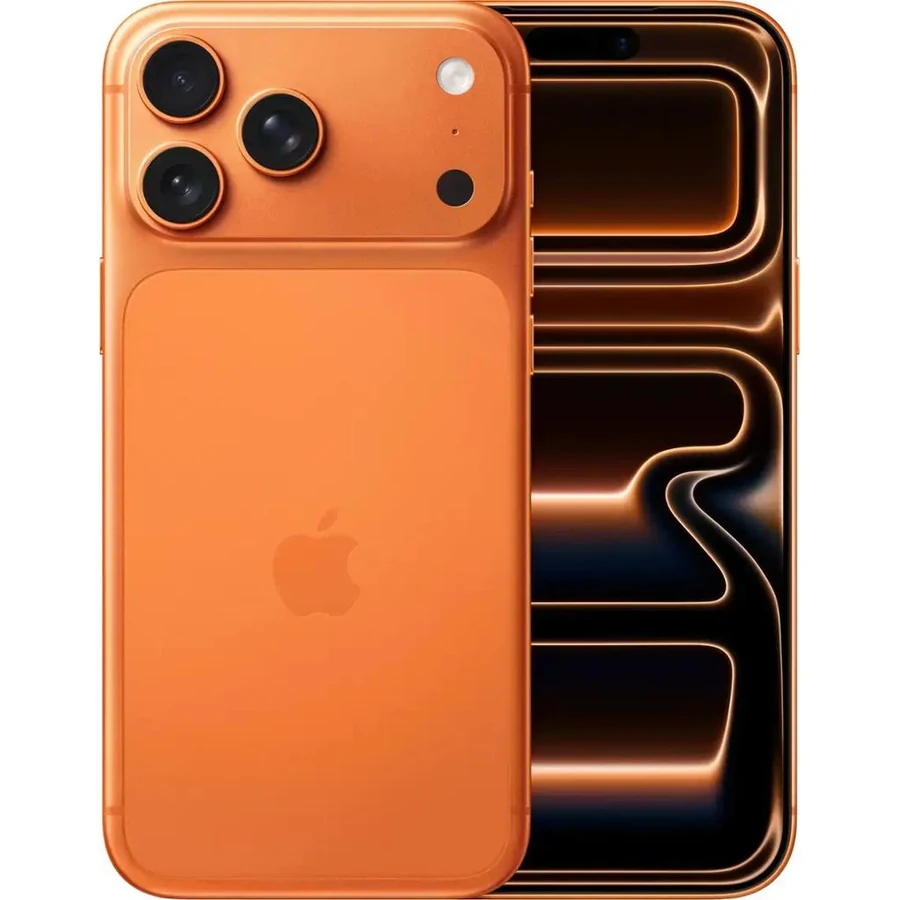

Compare models

Google Pixel Fold · E wātea ana ki ngā whatunga katoa vs iPhone 17 Pro Max · E wātea ana ki ngā whatunga katoa

  • Pūtāhui kotahi tau
  • Shipping rates shown at checkout
  • Ka taea te whakahoki i roto i ngā rā 14 (ka pā ngā tikanga tuku whakahoki)
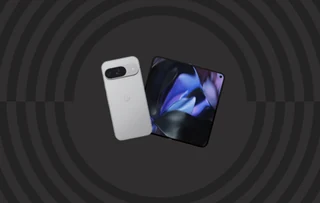
Google Pixel Fold · E wātea ana ki ngā whatunga katoa
Mai i

Utu mō te mea kua whakahoungia:USD 170 $

Utu mō te mea hou · USD 1799 $

Tirohia ngā kōwhiringa
iPhone 17 Pro Max · E wātea ana ki ngā whatunga katoa
Mai i

Utu mō te mea kua whakahoungia:USD 356 $

Utu mō te mea hou · USD 1199 $

Tirohia ngā kōwhiringa

He tirohanga poto ki ngā rerekētanga

The Google Pixel Fold (2023) and the iPhone 17 Pro Max (2025) represent two distinct approaches to high-end mobile engineering: a book-style folding screen device running Android versus a conventional flagship slate smartphone running iOS. While both cater to users seeking expansive viewing areas and advanced capabilities, they differ fundamentally in form factor, operating system, and hardware philosophy.

Ngā tauira e wātea ana

Tae

Storage (GB)

Ngā kaute

Te pakari

When evaluating long-term durability and support, both models approach software updates and physical resilience differently based on their respective release years and manufacturing build.

  • Software Longevity: The iPhone 17 Pro Max benefits from an extended software support window typical of recent Apple releases, whereas the Google Pixel Fold operates under a multi-year update schedule covering core system upgrades and security patches.
  • Build Resilience: The iPhone 17 Pro Max features rigid unibody materials and durable glass protection, while the Google Pixel Fold utilizes a complex mechanical hinge and a flexible inner screen that requires careful handling during daily multi-year use.
  • Practical Lifespan: Both devices offer robust everyday durability, though traditional slate handsets generally experience fewer mechanical wear points over extended ownership periods compared to folding form factors.

Te tau i tukuna ai

2023

2025

Te pūnaha whakahaere hototahi hōu rawa

—

Āe

Pūnaha whakahaere

Android

iOS

Foldable

Āe

Kāo

Te kaha mahi

Daily speed and responsiveness vary across these devices due to differences in memory allocation, thermal management, and underlying system architectures.

  • Multitasking and Memory: Both smartphones come equipped with ample random access memory, allowing seamless switching between demanding productivity applications and background tasks.
  • Everyday Responsiveness: The iPhone 17 Pro Max handles resource-intensive mobile gaming and rapid app loading with high thermal efficiency, while the Google Pixel Fold manages split-screen multitasking smoothly across its dual displays despite relying on an earlier-generation processor architecture.
  • Storage Configurations: Both models offer multiple high-capacity internal storage tiers, ensuring sufficient space for large media libraries, offline files, and extensive application data.

Te kounga o te mata

Display performance is a primary differentiator, contrasting a transforming dual-screen foldable layout with a large, continuous single-panel glass screen.

  • Display Technology and Versatility: The Google Pixel Fold provides an outer display for standard interactions and unfolds into a tablet-sized inner organic light-emitting diode screen, whereas the iPhone 17 Pro Max utilizes a large, high-brightness single organic light-emitting diode panel with uniform viewing areas.
  • Outdoor Visibility: The iPhone 17 Pro Max delivers exceptionally high peak brightness levels for clear legibility in direct sunlight, while the Pixel Fold's panels perform reliably under standard daylight conditions.
  • Smoothness and Refresh Rate: Both devices support high refresh rates up to 120Hz, ensuring fluid scrolling, responsive touch tracking, and smooth animation rendering during daily navigation.

Taumira

1840 x 2208

2868x1320

Te momo mata

Foldable OLED, 120Hz, HDR10+, 1000 nits (HBM), 1450 nits (peak)

Super Retina XDR

Te ataata me te oro

Optics and media capture capabilities differ across both models, balancing versatile multi-lens hardware configurations with distinct image processing pipelines.

  • Camera Array Versatility: Both devices feature high-resolution main, ultra-wide, and telephoto lenses that capture detailed everyday photography and handle low-light environments effectively through advanced computational software.
  • Video and Audio: The iPhone 17 Pro Max provides studio-grade video recording options and spatial audio capture, while the Google Pixel Fold supports crisp high-definition recording and flexible tabletop framing modes using its unique folding design.
  • Media Consumption: Stereo speakers on both models deliver clear audio output for hands-free calls, video playback, and casual gaming sessions.

Kāmera matua

—

48 megapixels

Kāmera o mua

—

18 megapixels

Ētahi atu āhuatanga

Practical daily usability elements such as connectivity standards, physical dimensions, and authentication methods shape how each device fits into routine workflows.

  • Connectivity and Ports: Both smartphones support modern fifth-generation cellular networks and fast wireless standards, utilizing a universal USB-C port for wired charging and data transfers.
  • Size and Handling: The iPhone 17 Pro Max maintains a traditional wide slate profile with substantial weight, whereas the Google Pixel Fold offers a relatively compact folded shape that transforms into a wider, squared tablet layout when opened.
  • Security Sensors: The iPhone 17 Pro Max relies on advanced facial recognition technology, while the Google Pixel Fold incorporates a physical fingerprint sensor integrated into the power button alongside facial authentication.

Taumaha

19 oz

8.22 oz (233 g)

Te rahi o te mata (inihi)

7.6

6.9

Whatunga

5G

5G

Kāri SIM

E rua ngā SIM ā-tinana

eSIM

Carrier compatibility

E wātea ana ki ngā whatunga katoa

E wātea ana ki ngā whatunga katoa

Tūhono

USB-C (USB 3)

USB-C

Ngā whakaaro o te hapori

User discussions and community feedback indicate that buyer satisfaction largely depends on personal preference for form factor and operating system ecosystems. Owners of the Google Pixel Fold frequently praise its multitasking versatility and the convenience of a compact outer screen that expands into a larger viewing area, though some users note concerns regarding the weight and the visibility of the crease on the inner display. Conversely, users of the iPhone 17 Pro Max often highlight its reliable battery longevity, exceptional display brightness, and streamlined integration within the iOS ecosystem, while noting the traditional slate layout lacks folding adaptability.

Users prioritizing multitasking flexibility and a transforming tablet-sized screen will find the Google Pixel Fold well-suited to their workflow, while users prioritizing maximum processing headroom, high outdoor screen brightness, and traditional software ecosystems may lean toward the iPhone 17 Pro Max. For shoppers seeking a quality-assured refurbished option, exploring eco-friendly alternatives on RefurbLane provides a sustainable way to acquire either device with verified performance checks.

Ā mātou whakataurite hou

WhatsApp