Compare models

Google Pixel 9 Pro · E wātea ana ki ngā whatunga katoa vs iPhone 17 · E wātea ana ki ngā whatunga katoa

  • Pūtāhui kotahi tau
  • Shipping rates shown at checkout
  • Ka taea te whakahoki i roto i ngā rā 14 (ka pā ngā tikanga tuku whakahoki)
Google Pixel 9 Pro · E wātea ana ki ngā whatunga katoa
Mai i

Utu mō te mea kua whakahoungia:USD 182 $

Utu mō te mea hou · USD 999.99 $

Tirohia ngā kōwhiringa
iPhone 17 · E wātea ana ki ngā whatunga katoa
Mai i

Utu mō te mea kua whakahoungia:USD 249 $

Utu mō te mea hou · USD 929 $

Tirohia ngā kōwhiringa

He tirohanga poto ki ngā rerekētanga

The Google Pixel 9 Pro (2024) and the Apple iPhone 17 (2025) are premium smartphones representing distinct ecosystems, design philosophies, and software approaches. While both devices offer high-end capabilities in a compact form factor, they differ primarily in their operating systems, camera layouts, and user interface customization options. Operating on Android and iOS respectively, these models cater to users with strong preferences for software environments.

Ngā tauira e wātea ana

Tae

Storage (GB)

Ngā kaute

Te pakari

Both devices are built for long-term usage, offering extended manufacturer support and robust physical construction designed to handle everyday wear and tear.

  • Software support lifecycle: The iPhone 17 benefits from Apple's long-standing update history, receiving OS updates for many years. The Pixel 9 Pro matches this with a multi-year commitment covering software updates, security patches, and feature drops.
  • Repairability and durability: Both models feature water resistance ratings and reinforced glass screens, while incorporating design elements that facilitate professional component replacements and structural longevity.

Te tau i tukuna ai

2024

2025

Te kaha mahi

System responsiveness and day-to-day handling are exceptionally smooth on both models, easily managing demanding applications, navigation tools, and split-screen multitasking.

  • Storage configurations: The Pixel 9 Pro starts with lower base storage capacities while offering high-tier maximum options, whereas the iPhone 17 begins with larger baseline storage configurations.
  • Multitasking and efficiency: The Pixel 9 Pro utilizes generous physical memory for background task handling, while the iPhone 17 relies on tightly integrated hardware and software optimization to maintain fast app switching and consistent battery longevity.

Te kounga o te mata

Display technology on both handsets delivers sharp details, deep contrast levels, and vibrant color reproduction suited for media consumption and reading.

  • Panel technology and smoothness: Both devices employ advanced OLED panels featuring adaptive high refresh rates that scale smoothly from static content to fast-moving animations.
  • Outdoor visibility: High peak brightness capabilities on both screens ensure that text and images remain legible under direct sunlight or in bright outdoor environments.

Te ataata me te oro

Photography and video recording suites on these flagships capture crisp details across diverse lighting conditions, though they process color science differently.

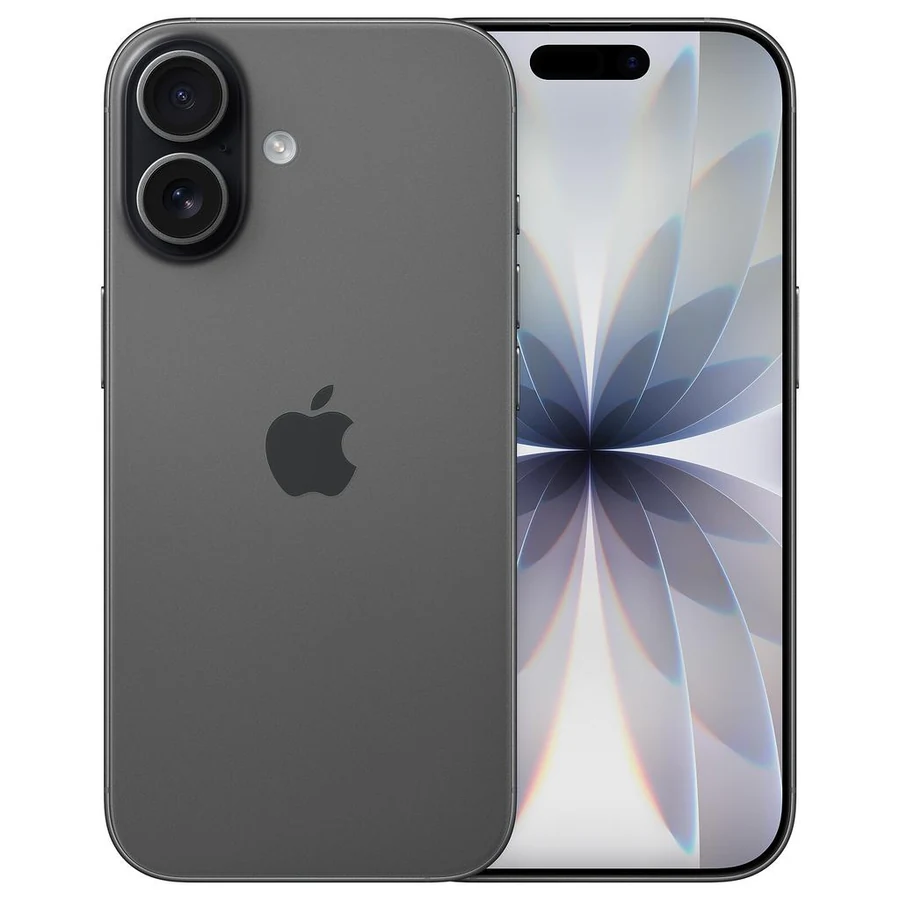
  • Lens configurations: The Pixel 9 Pro incorporates a dedicated triple-lens array featuring a powerful optical zoom lens, while the iPhone 17 utilizes a dual-lens setup optimized for wide and ultra-wide perspectives.
  • Media and audio output: Both models deliver stable video stabilization, clear multi-microphone audio pickup for calls, and balanced stereo speakers for media playback.

Ētahi atu āhuatanga

Physical handling characteristics and connectivity standards reflect modern mobile engineering trends across both ecosystems.

  • Connectivity and ports: Both smartphones support fast 5G data networks, modern wireless communication standards, and universal USB-C ports for charging and data transfer.
  • Physical dimensions: Both units offer comfortable ergonomics for single-handed use, though subtle differences in weight distribution and finish materials provide distinct tactile hand-feel options. Choosing a quality-assured refurbished option through platforms like RefurbLane provides an eco-friendly alternative for conscious consumers.

Te rahi o te mata (inihi)

6.3

6.3

Whatunga

5G

5G

Kāri SIM

Physical SIM + eSIM

eSIM

Carrier compatibility

E wātea ana ki ngā whatunga katoa

E wātea ana ki ngā whatunga katoa

Tūhono

USB-C (USB 3)

USB-C

Ngā whakaaro o te hapori

User feedback highlights the Pixel 9 Pro for its sophisticated automated photo editing tools, extensive multitasking memory, and customizable Android interface. Conversely, users frequently praise the iPhone 17 for its seamless ecosystem integration, video recording consistency, and reliable everyday operational stability. Choosing between the two often comes down to personal preference regarding software ecosystems rather than raw capability gaps.

Users prioritizing deep software customization and flexible file management may prefer the Google Pixel 9 Pro, while users seeking unified device synchronization and straightforward media workflows will likely lean toward the iPhone 17. Evaluating these distinct software environments helps determine which device aligns best with individual daily routines. Opting for a quality-assured refurbished option offers a sustainable choice that extends device lifecycles without compromising on modern performance standards.

Ā mātou whakataurite hou

WhatsApp