Compare models

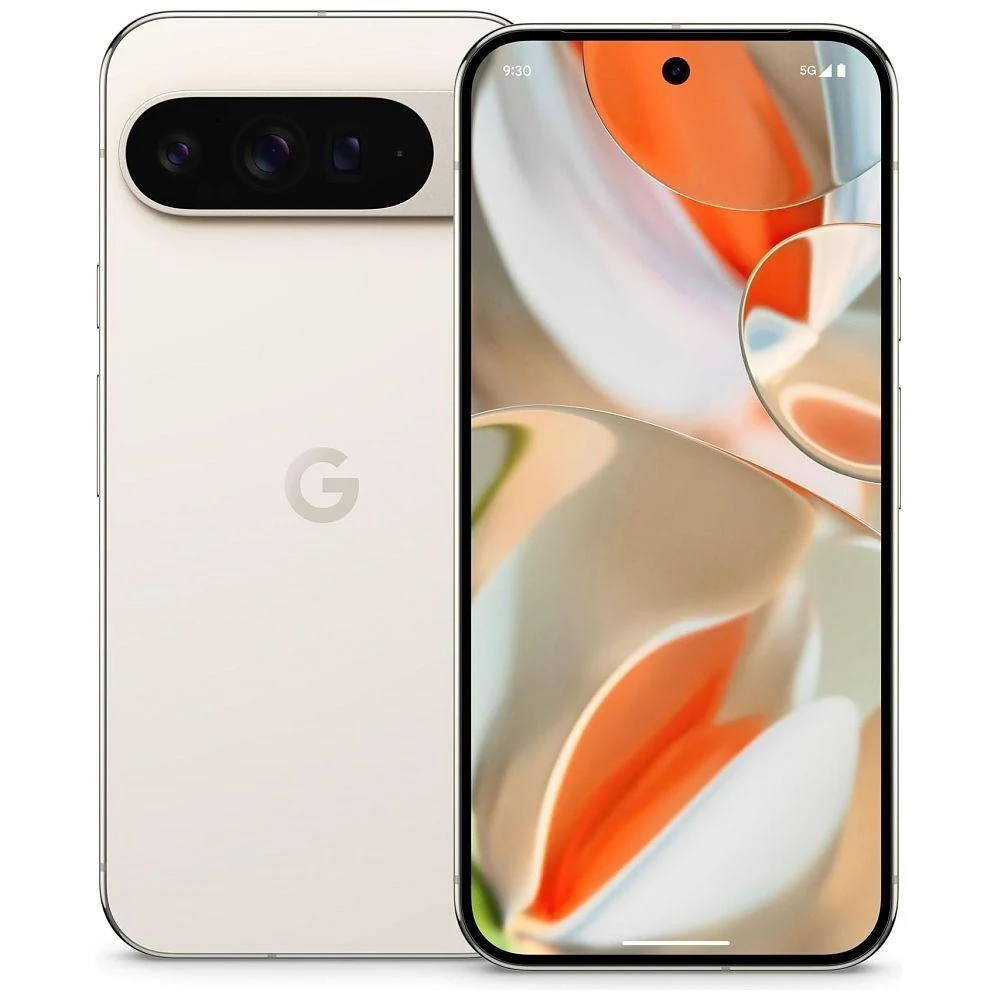
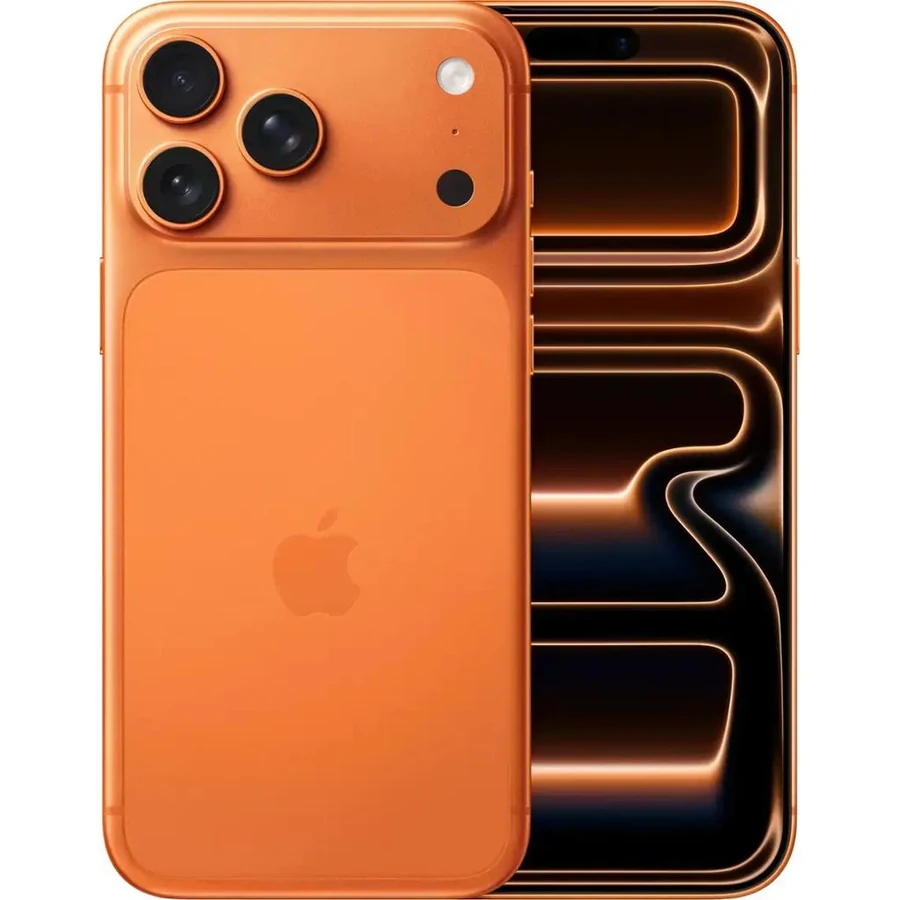
Google Pixel 9 Pro XL · E wātea ana ki ngā whatunga katoa vs iPhone 17 Pro Max · E wātea ana ki ngā whatunga katoa

  • Pūtāhui kotahi tau
  • Shipping rates shown at checkout
  • Ka taea te whakahoki i roto i ngā rā 14 (ka pā ngā tikanga tuku whakahoki)
Google Pixel 9 Pro XL · E wātea ana ki ngā whatunga katoa
Mai i

Utu mō te mea kua whakahoungia:USD 204 $

Utu mō te mea hou · USD 1099 $

Tirohia ngā kōwhiringa
iPhone 17 Pro Max · E wātea ana ki ngā whatunga katoa
Mai i

Utu mō te mea kua whakahoungia:USD 356 $

Utu mō te mea hou · USD 1199 $

Tirohia ngā kōwhiringa

He tirohanga poto ki ngā rerekētanga

The Google Pixel 9 Pro XL (2024) and the Apple iPhone 17 Pro Max (2025) represent large-format, high-end smartphones designed to deliver extensive feature sets and expansive screen real estate. While the Pixel relies on the Android ecosystem with deep software intelligence, the iPhone operates on iOS, offering distinct ecosystem integration and processing approaches.

Choosing between these two devices largely depends on preferred software environments and daily usage priorities rather than raw utility gaps.

Ngā tauira e wātea ana

Tae

Storage (GB)

Ngā kaute

Te pakari

Both devices are built for long-term ownership, though they follow different release timelines and software update frameworks provided by their respective manufacturers.

  • Software Longevity: The Google Pixel 9 Pro XL benefits from a seven-year software update commitment covering operating systems and security patches, matching the extended multi-year support window standard for the iPhone 17 Pro Max.
  • Hardware Durability: Both models utilize robust aluminum frames and reinforced glass protection on the front and back to withstand daily wear, complemented by high-level dust and water resistance ratings.

Te tau i tukuna ai

2024

2025

Te pūnaha whakahaere hototahi hōu rawa

—

Āe

Pūnaha whakahaere

Android

iOS

Foldable

Kāo

Kāo

Te kaha mahi

Handling daily tasks, intensive mobile games, and demanding applications smoothly is a core strength for both smartphones, supported by ample memory configurations.

  • Multitasking and Responsiveness: Generous random access memory allocations on both handsets ensure that switching between heavy applications and keeping multiple background tabs active occurs without noticeable stutter.
  • Battery Behavior: Large internal battery capacities allow both models to comfortably navigate a full day of typical mixed usage involving web browsing, messaging, and media streaming before requiring a recharge.

Te kounga o te mata

Viewing content, reading text, and playing video games are enhanced by advanced display technologies that prioritize clarity, smooth motion, and outdoor legibility.

  • Display Technology: Both phones feature large, high-resolution organic light-emitting diode screens that deliver deep black levels, high contrast, and vivid color reproduction.
  • Refresh Rate and Brightness: Adaptive refresh rates scaling up to 120 hertz ensure fluid scrolling, while high peak brightness thresholds maintain clear visibility when using the devices under direct sunlight.

Taumira

—

2868x1320

Te momo mata

LTPO OLED

Super Retina XDR

Te ataata me te oro

Versatile triple-lens camera arrays on the rear of both devices accommodate a wide variety of photographic scenarios, from close-up macro shots to distant subjects.

  • Photography and Video: High-resolution main, ultra-wide, and telephoto sensors capture sharp details and natural colors in diverse lighting conditions, supported by stable video recording capabilities.
  • Audio and Media: Integrated stereo speaker setups deliver clear audio output for hands-free calls and casual media consumption without requiring external headphones.

Kāmera matua

—

48 megapixels

Kāmera o mua

—

18 megapixels

Ētahi atu āhuatanga

Practical everyday elements such as connectivity standards, physical dimensions, and security authentication shape the overall handling experience of each handset.

  • Connectivity and Ports: Both models support modern fifth-generation cellular networks and fast wireless communication protocols, utilizing reversible USB Type-C or proprietary connector ports for wired charging and data transfer.
  • Security and Handling: Secure biometric authentication is handled via responsive facial recognition or under-display fingerprint sensors, housed within large chassis designs that suit users favoring expansive displays.

Taumaha

—

8.22 oz (233 g)

Te rahi o te mata (inihi)

6.8

6.9

Whatunga

5G

5G

Kāri SIM

Physical SIM + eSIM

eSIM

Carrier compatibility

E wātea ana ki ngā whatunga katoa

E wātea ana ki ngā whatunga katoa

Ngā whakaaro o te hapori

Community discussions and user feedback indicate that the Google Pixel 9 Pro XL receives frequent praise for its intelligent software features, natural image processing, and clean interface layout. Conversely, users often highlight the iPhone 17 Pro Max for its robust build quality, sustained processing performance during gaming, and seamless integration with other Apple hardware. Some common criticisms involve the substantial physical footprint of both large devices, which can feel heavy during prolonged one-handed use.

Users prioritizing deep customization, built-in artificial intelligence assistants, and long-term Android feature updates may prefer the Google Pixel 9 Pro XL. Meanwhile, users embedded in the Apple ecosystem who value cinematic video recording tools and extensive accessory compatibility will likely lean toward the iPhone 17 Pro Max. For buyers exploring sustainable shopping habits, selecting a quality-assured refurbished option provides an eco-friendly alternative that reduces electronic waste while delivering the same core capabilities.


Ā mātou whakataurite hou

WhatsApp