
Compare models
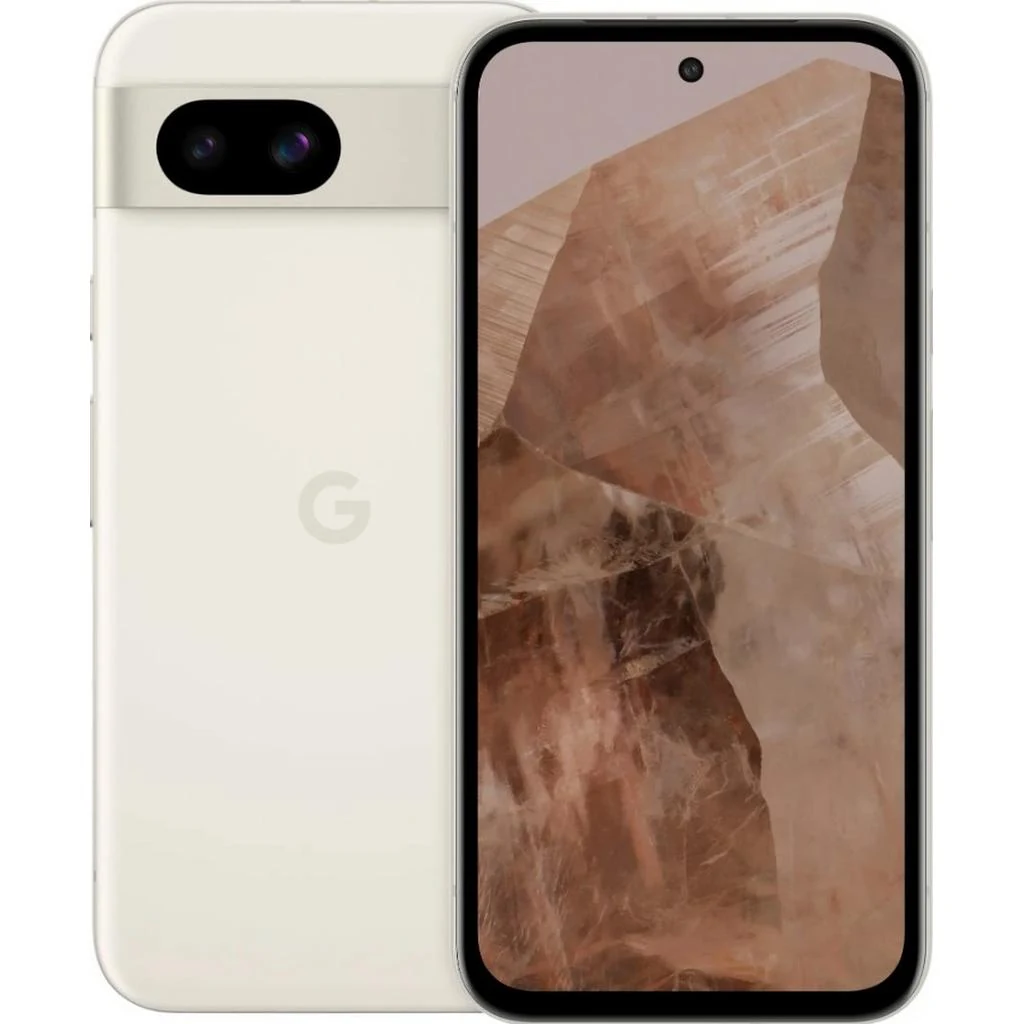
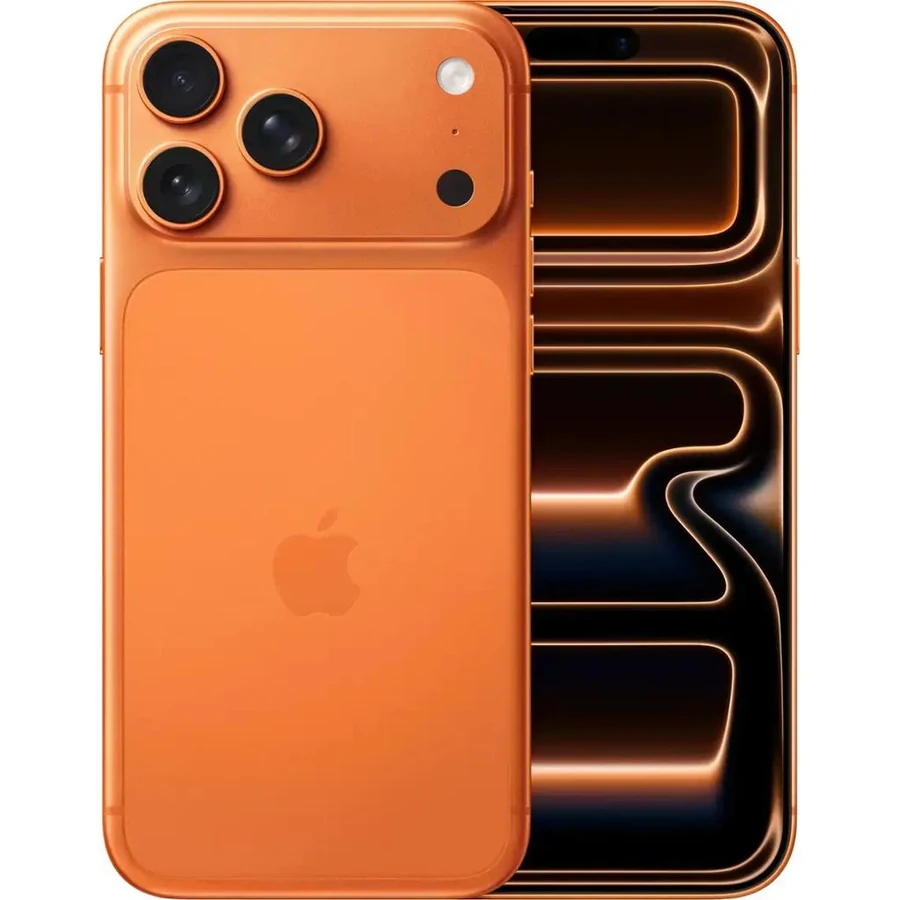
Google Pixel 8a · Débloqué vs iPhone 17 Pro Max · Débloqué
- Garantie d’un an
- Shipping rates shown at checkout
- Retours sous 14 jours (conditions de renvoi applicables)
Les différences en un coup d’œil
The Google Pixel 8a (2024) and the Apple iPhone 17 Pro Max (2025) represent entirely different approaches to modern smartphone design, platform philosophy, and user scale. While the Pixel 8a focuses on streamlined, everyday utility within a compact Android framework, the iPhone 17 Pro Max serves as a high-performance Apple flagship built for expansive media consumption and intensive tasks.
These devices run on distinct operating systems, with the Pixel utilizing Android and the iPhone operating on iOS, making software ecosystem preference a primary baseline for evaluation.
Modèles disponibles
Couleur
Storage (GB)
Notes
Durabilité
When examining longevity and structural endurance, both devices offer robust software support lifecycles, though they arrive from different release years and follow distinct maintenance tracks.
- Release Timeline and Software Support: The Pixel 8a launched in 2024 with a multi-year update commitment from Google, whereas the iPhone 17 Pro Max debuted in late 2025 with Apple's traditional extended iOS support window.
- Build Integrity and Repairability: The iPhone employs a durable unibody structure with specialized glass reinforcement, while the Pixel utilizes an aluminum frame with a matte composite back. Both feature certified dust and water resistance for daily protection.
- Expected Practical Lifespan: Users can expect both models to remain viable for several years of daily service, with hardware headroom scaling according to each device's underlying processing capabilities. Choosing a quality-assured refurbished option provides a sustainable choice that extends the active lifecycle of these electronics.
Année de sortie
2024
2025
Dernier système compatible
Oui
Oui
Système d’exploitation
Android
iOS
Foldable
Non
Non
Performances
System responsiveness and everyday utility differ notably based on internal hardware allocations and software optimization across both platforms.
- Storage Configurations: The Pixel 8a is available in standard storage tiers suited for general applications, while the iPhone 17 Pro Max offers much higher capacity ceilings, including options for extensive media libraries and professional workflows.
- Multitasking and App Loading: The Pixel handles daily messaging, browsing, and moderate multitasking smoothly with its balanced memory allocation, whereas the iPhone provides elevated processing headroom that maintains peak fluidity during demanding graphics processing or heavy background tasks.
- Battery Behavior: The Pixel 8a's power management comfortably sustains standard daily usage routines, while the larger physical footprint of the iPhone 17 Pro Max houses a high-capacity power cell designed to last through prolonged periods of intensive heavy use.
Qualité de l’écran
Display characteristics shape the visual interaction for media viewing, reading, and outdoor visibility on both smartphones.
- Display Technology: Both models utilize vibrant OLED panels that deliver deep contrast levels, rich colors, and wide viewing angles for all types of visual content.
- Size and Viewing Experience: The Pixel 8a features a smaller, pocket-friendly 6.1-inch screen suited for single-handed navigation, while the iPhone 17 Pro Max offers a vast 6.9-inch display that expands workspace real estate and immersion for video playback.
- Outdoor Brightness and Refresh Rates: Both screens support fluid high refresh rates for smooth scrolling and maintain high peak brightness outputs to ensure legibility under direct sunlight.
Résolution
—
2868x1320
Type d’écran
OLED
Super Retina XDR
Image et son
Photography and audio capabilities reflect distinct hardware layouts tailored to casual captures versus versatile multi-lens recording systems.
- Camera System Capabilities: The Pixel 8a relies on a dual-lens rear setup backed by computational image processing for balanced everyday photos, whereas the iPhone 17 Pro Max incorporates a triple high-resolution fusion lens array with advanced optical zoom ranges.
- Low-Light and Video Performance: Both devices perform reliably in challenging lighting conditions, though the iPhone adds advanced cinematic video recording formats and professional-grade stabilization adjustments.
- Media and Audio Output: Stereo speaker output on both phones delivers clear sound for calls and casual media streaming, with built-in microphone arrays designed to isolate voice clarity during calls.
Appareil photo principal
64 megapixels
48 megapixels
Caméra avant
13 megapixels
18 megapixels
Autres caractéristiques
Physical dimensions, connectivity standards, and practical hardware details define how each phone handles in daily scenarios.
- Dimensions and Handling: The Pixel 8a weighs significantly less and has a compact profile that fits easily into smaller pockets, while the heavier iPhone 17 Pro Max demands a two-handed grip for extended reach.
- Port and Connectivity Standards: Both devices utilize universal USB-C ports for charging and data transfers alongside modern wireless and 5G network compatibility.
- Authentication Sensors: The Pixel features an under-display fingerprint sensor alongside facial recognition, while the iPhone relies exclusively on advanced secure facial mapping technology.
Poids
—
8.22 oz (233 g)
Diagonale de l’écran (pouces)
6.1
6.9
Réseau
5G
5G
Carte SIM
Physical SIM + eSIM
eSIM
Carrier compatibility
Débloqué
Débloqué
Connecteur
USB-C
USB-C
L’avis de la communauté
Community discussions and user feedback indicate that buyers appreciate the Pixel 8a for its lightweight footprint, clean interface, and straightforward utility. Conversely, users frequently praise the iPhone 17 Pro Max for its exceptional screen estate, long-lasting battery capacity, and robust processing power. Some users note that the Pixel's charging speed is relatively modest, while others point out that the iPhone's large physical dimensions can feel heavy during extended one-handed use.
Users prioritizing a compact, pocket-friendly form factor and straightforward navigation may prefer the Google Pixel 8a, while users prioritizing expansive screen space, maximum battery endurance, and heavy multitasking will lean toward the Apple iPhone 17 Pro Max. Evaluating these core traits helps match each device to specific personal requirements without unnecessary complexity.