
Compare models
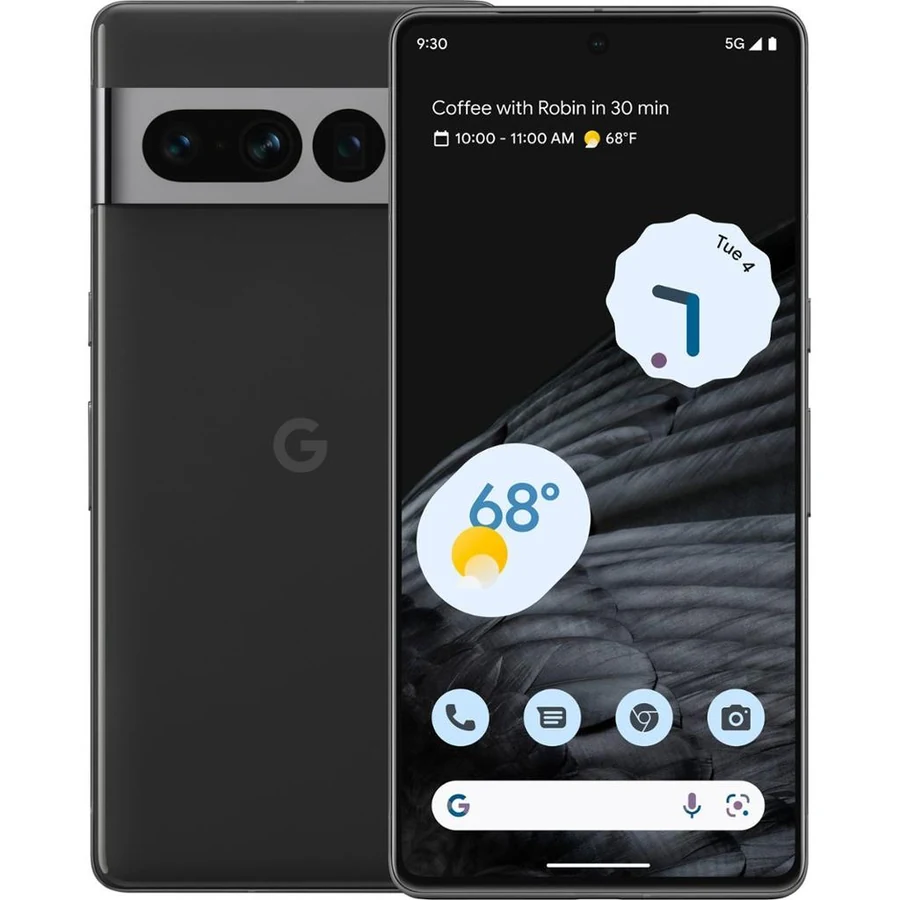
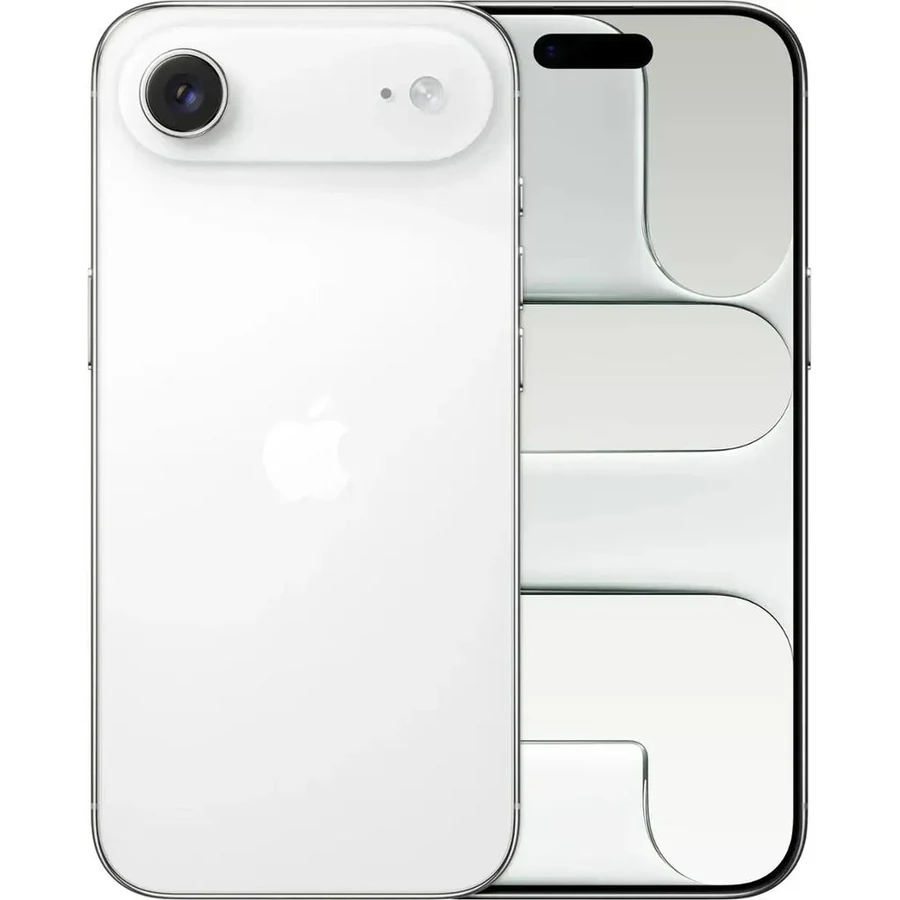
Google Pixel 7 Pro · Libre vs iPhone Air · Libre
- Garantía de un año
- Shipping rates shown at checkout
- Devoluciones en 14 días (se aplican las condiciones de envío de devolución)
Diferencias de un vistazo
The Google Pixel 7 Pro (2022) and the iPhone Air (2025) represent two distinct approaches to smartphone engineering, balancing different eras of mobile development. While the Pixel 7 Pro focuses on a comprehensive flagship feature set within the Android ecosystem, the iPhone Air introduces an ultra-slim chassis running iOS. These devices differ significantly in their launch timing, physical profiles, and core user experiences.
Modelos disponibles
Color
Storage (GB)
Puntuaciones
Durabilidad
When evaluating hardware longevity and software support, both devices handle ongoing maintenance differently due to their release timelines.
- Release timeline and support: The Pixel 7 Pro launched running Android 13 with a multi-year update commitment, whereas the iPhone Air entered the market running iOS with an extended software lifecycle ahead of it.
- Repairability and build: Both models utilize durable glass and metal frames with official dust and water resistance ratings, though their internal layouts reflect different manufacturing priorities.
- Expected lifespan: Users can expect steady software security updates from both ecosystems, with newer hardware architectures naturally supporting upcoming platform features for a longer duration.
Año de lanzamiento
2022
2025
Último sistema operativo compatible
Sí
Sí
Sistema operativo
Android
iOS
Foldable
No
No
Rendimiento
Daily operation and multitasking capabilities vary based on internal hardware efficiency and software optimization.
- Storage and memory: Both smartphones offer multiple high-capacity internal storage configurations paired with generous memory allocations to handle concurrent background processes.
- System responsiveness: Everyday app launching, web browsing, and switching between demanding applications run smoothly on both models thanks to custom-tailored system processors.
- Battery behavior: The Pixel 7 Pro includes a larger physical battery to support its expansive display, while the iPhone Air relies on power-efficient hardware architecture to maintain daily operational endurance within a slim frame.
Calidad de pantalla
Visual output and display characteristics shape media consumption and outdoor usability across both devices.
- Display technology: Both models utilize vibrant OLED panels that deliver deep contrast levels, sharp details, and rich color reproduction for videos and photos.
- Refresh rate and smoothness: High refresh rate support ensures fluid scrolling through menus, web pages, and supported interactive applications.
- Outdoor visibility: High peak brightness capabilities allow content to remain legible under direct sunlight, though screen sizes and curved versus flat panel designs offer different handling dynamics.
Resolución
1440 x 3120
2736x1260
Tipo de pantalla
LTPO AMOLED
Super Retina XDR
Imagen y sonido
Photography and media recording configurations cater to different styles of content creation and everyday capture.
- Camera systems: The Pixel 7 Pro features a versatile multi-lens rear array including dedicated optical zoom capabilities, while the iPhone Air streamlines capture with a streamlined, high-resolution single main lens setup.
- Low-light and video: Both devices apply advanced computational processing to enhance clarity in challenging lighting conditions and stabilize video recording during movement.
- Audio reproduction: Built-in microphone arrays capture clear audio for calls and voice notes, while internal speakers provide adequate sound output for casual media viewing.
Cámara principal
50 megapixels
48 megapixels
Cámara frontal
10.8 megapixels
18 megapixels
Otras características
Physical handling, connectivity standards, and daily utility features define the practical user experience of each device.
- Connectivity and ports: Both smartphones support modern 5G cellular networks, Wi-Fi standards, and universal USB-C connectivity for charging and data transfer.
- Security sensors: The Pixel 7 Pro utilizes an under-display optical fingerprint reader alongside face unlock, while the iPhone Air relies on advanced facial recognition technology.
- Dimensions and handling: The Pixel 7 Pro presents a heavier, substantial feel in the hand, whereas the iPhone Air emphasizes a remarkably thin and lightweight profile. Choosing a quality-assured refurbished option from RefurbLane provides access to these distinct designs while supporting more sustainable technology consumption habits.
Peso
—
Not available
Tamaño de pantalla (pulgadas)
6.7
6.5
Red
5G
5G
Tarjeta SIM
Physical SIM + eSIM
eSIM
Carrier compatibility
Libre
Libre
Qué opina la comunidad
User feedback from online communities highlights distinct preferences for each device. Owners of the Google Pixel 7 Pro frequently praise its versatile multi-lens camera system, smooth software interface, and comprehensive display quality. Conversely, discussions surrounding the iPhone Air often emphasize its exceptionally lightweight profile, sleek build, and streamlined operating system experience. Common criticisms for the Pixel involve its heavier physical weight and moderate battery endurance under heavy workloads, while some users note that the minimalist approach of the iPhone Air limits specialized camera versatility.
Users prioritizing flexible zoom photography and an open software environment may prefer the Google Pixel 7 Pro, while users prioritizing an ultra-slim form factor and streamlined daily handling often lean toward the iPhone Air. Selecting a quality-assured refurbished model through RefurbLane offers a sustainable choice for acquiring either device. Ultimately, the right choice depends on whether a feature-rich traditional flagship or a lightweight modern design best aligns with your daily routine.