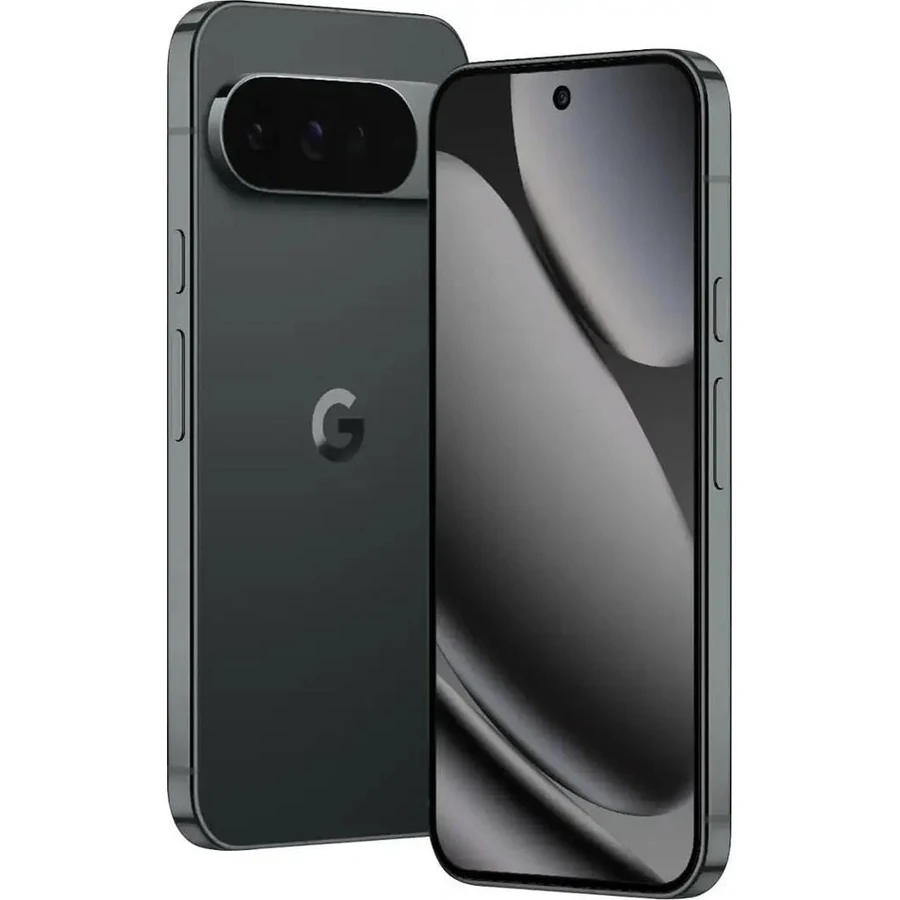

Compare models
Google Pixel 10 · E wātea ana ki ngā whatunga katoa vs Google Pixel 10 Pro XL · E wātea ana ki ngā whatunga katoa
- Pūtāhui kotahi tau
- Shipping rates shown at checkout
- Ka taea te whakahoki i roto i ngā rā 14 (ka pā ngā tikanga tuku whakahoki)
He tirohanga poto ki ngā rerekētanga
The Google Pixel 10 (2025) and Google Pixel 10 Pro XL (2025) are flagship smartphones running the Android operating system, both launched under Google's hardware ecosystem. While they share foundational software experiences and core processing architectures, they differ primarily in physical dimensions, screen sizing, and camera configurations. Exploring these differences helps users determine which model fits their everyday routines.
Ngā tauira e wātea ana
Tae
Storage (GB)
Ngā kaute
Te pakari
Both smartphones share the same generational release timeline from late 2025 and support long-term software updates, ensuring extended functional longevity.
- Software Lifespan: Both models run on Android and receive multi-year operating system upgrades, supporting long-term utility without immediate obsolescence.
- Hardware Endurance: Both devices feature robust aluminum frames, glass backs, and official water-resistance ratings suitable for daily wear and tear.
- Repairability: Standardized modular components allow professional repair technicians to service screens and batteries efficiently.
Te tau i tukuna ai
2025
2025
Pūnaha whakahaere
Android
Android
Foldable
Kāo
Kāo
Te kaha mahi
The Google Pixel 10 and Google Pixel 10 Pro XL handle multitasking, high-demand applications, and everyday navigation smoothly, though memory capacity varies by model.
- Multitasking Capacity: The Pixel 10 Pro XL includes larger random access memory configurations to keep numerous background applications open simultaneously compared to the standard model.
- Battery Behavior: The larger physical footprint of the Pixel 10 Pro XL houses a higher-capacity battery supporting extended daily use, whereas the standard Pixel 10 relies on a slightly smaller power cell suited for moderate daily routines.
- System Responsiveness: Both devices deliver fluid app loading and responsive navigation through demanding software thanks to efficient internal processors.
Te kounga o te mata
Display dimensions and panel resolutions distinguish these two variants, impacting media viewing and outdoor readability.
- Display Technology: Both utilize vibrant organic light-emitting diode panels with deep contrast levels and smooth refresh rates reaching 120 hertz for fluid scrolling.
- Screen Dimensions: The Pixel 10 features a compact 6.3-inch screen tailored for single-handed navigation, while the Pixel 10 Pro XL provides an expansive 6.8-inch viewing space.
- Outdoor Visibility: High peak brightness capabilities on both screens ensure content remains legible under direct sunlight.
Taumira
1080x2424
1344 x 2992
Te momo mata
OLED
LTPO OLED
Te ataata me te oro
Photography and video recording suites vary significantly between the standard model and its larger counterpart, specifically regarding zoom capabilities and sensor resolutions.
- Lens Configurations: The Pixel 10 utilizes a dual or standard triple arrangement, whereas the Pixel 10 Pro XL integrates a high-resolution telephoto lens for detailed distant framing.
- Low-Light Performance: Both models leverage computational photography software to capture clear, well-balanced images in dim environments.
- Media Audio: Built-in stereo speakers on both variants deliver clear audio output for voice calls, casual media streaming, and video playback.
Ētahi atu āhuatanga
Physical handling characteristics and connectivity standards define the practical daily experience of carrying either smartphone.
- Handling and Weight: The lighter, smaller footprint of the Pixel 10 offers comfortable pocketability, while the heavier Pixel 10 Pro XL provides a larger surface area at the cost of additional weight.
- Hononga: Both models support modern wireless standards including fifth-generation cellular data networks and fast Wi-Fi protocols.
- Security Sensors: Secure biometric authentication is handled via responsive under-display fingerprint sensors and facial recognition options on both devices.
Taumaha
7 oz
8 oz
Te rahi o te mata (inihi)
6.3
6.8
Whatunga
LTE
5G
Kāri SIM
eSIM
eSIM
Carrier compatibility
E wātea ana ki ngā whatunga katoa
Tūhono
USB-C
USB-C
Ngā whakaaro o te hapori
Community discussions highlight that users appreciate both devices for their clean software interface, reliable security update commitments, and responsive daily performance. Common points of discussion often revolve around the physical footprint, with some users noting that the larger display size on the heavier model can make single-handed use challenging, while others find the compact standard screen occasionally limiting for detailed media editing.
Users prioritizing pocket-friendly ergonomics and a streamlined everyday tool may prefer the standard Google Pixel 10, while media enthusiasts and those desiring expanded screen real estate and advanced zoom photography often lean toward the Google Pixel 10 Pro XL. Selecting a quality-assured refurbished option through platforms like RefurbLane offers an eco-friendly alternative that supports sustainable technology consumption without compromising on performance. Ultimately, the choice depends entirely on individual preferences regarding physical size and camera versatility.