
Compare models
Galaxy Z Fold5 · E wātea ana ki ngā whatunga katoa vs iPhone 17 Pro Max · E wātea ana ki ngā whatunga katoa
- Pūtāhui kotahi tau
- Shipping rates shown at checkout
- Ka taea te whakahoki i roto i ngā rā 14 (ka pā ngā tikanga tuku whakahoki)

Utu mō te mea kua whakahoungia:USD 212 $
Utu mō te mea hou · USD 1362.99 $
He tirohanga poto ki ngā rerekētanga
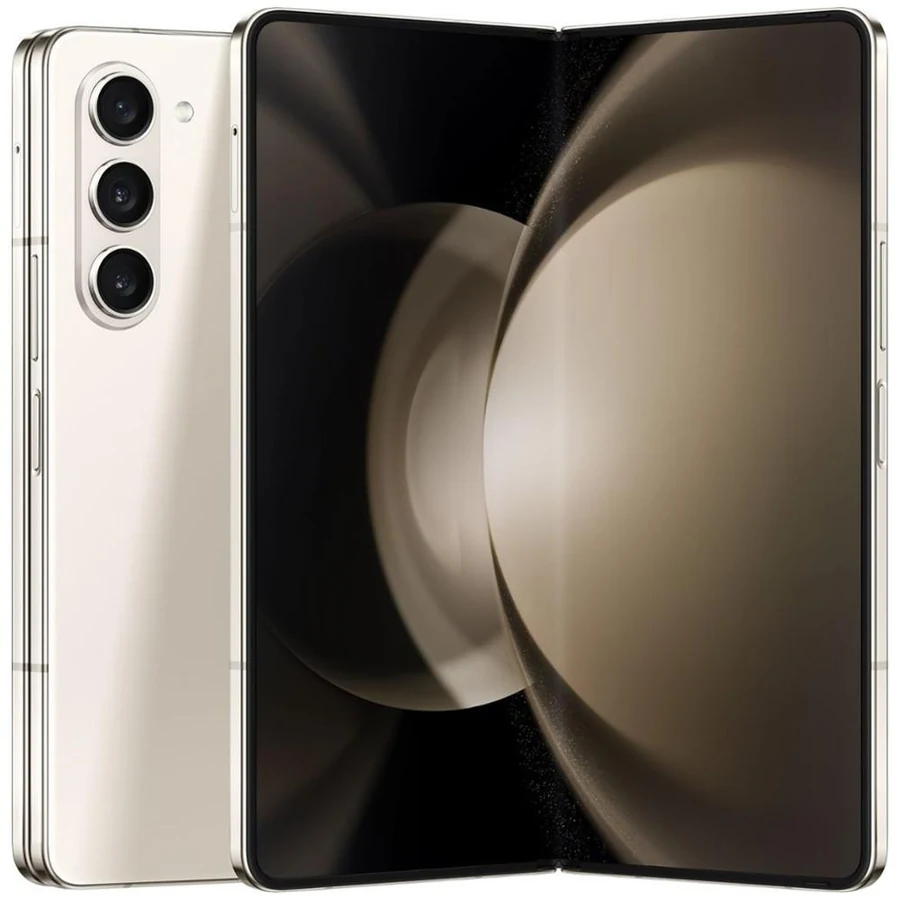
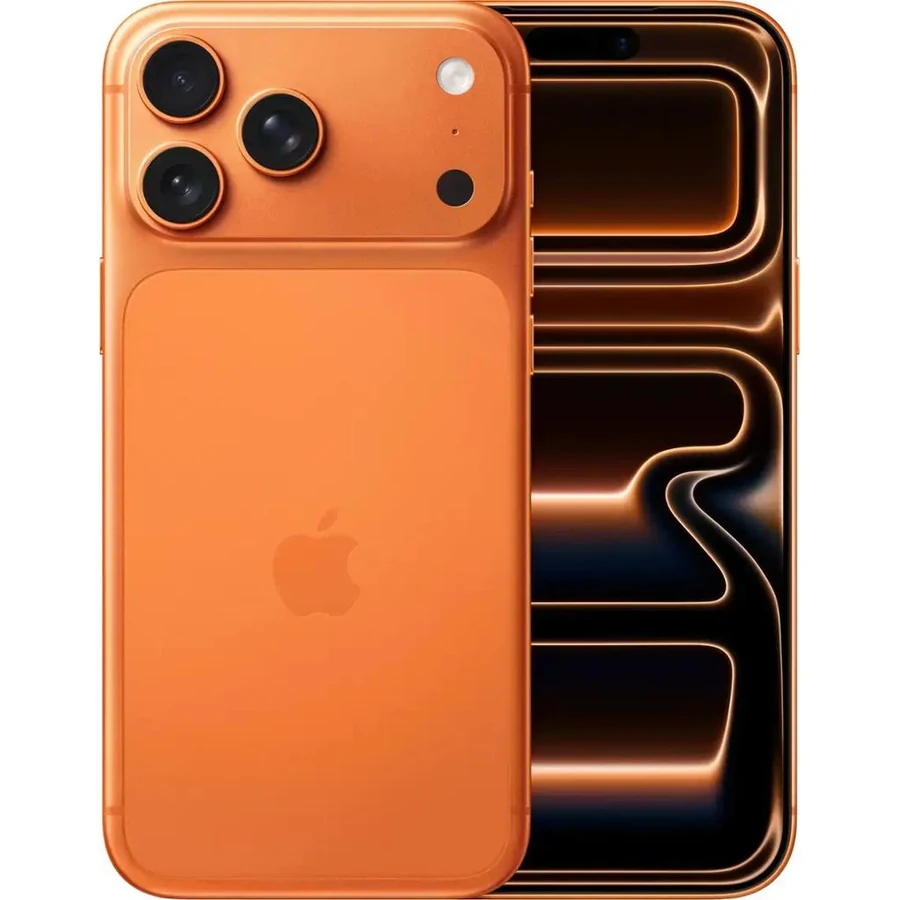
The Samsung Galaxy Z Fold5 (2023) and the iPhone 17 Pro Max (2025) represent two distinct visions of high-end mobile engineering. While the Samsung device features a folding dual-screen format running on Android, the Apple device utilizes a traditional slate design powered by iOS. Both smartphones offer top-tier capabilities, but their contrasting hardware layouts target very different daily workflows.
Ngā tauira e wātea ana
Tae
Storage (GB)
Ngā kaute
Te pakari
Device longevity depends on build resilience, software maintenance windows, and overall hardware durability over years of continuous daily service.
- Software Support: The iPhone 17 Pro Max benefits from Apple's extended update cycles, whereas the Galaxy Z Fold5 receives multi-year Android and security patches starting from an earlier release baseline.
- Hardware Resilience: The iPhone 17 Pro Max relies on a rigid unibody frame and reinforced glass panels, while the Galaxy Z Fold5 utilizes a complex folding hinge mechanism that requires careful handling over extended periods.
- Repairability: Traditional slate devices like the iPhone typically present simpler pathways for component replacements compared to specialized dual-screen folding assemblies.
Te tau i tukuna ai
2023
2025
Te pūnaha whakahaere hototahi hōu rawa
Āe
Āe
Pūnaha whakahaere
Android
iOS
Foldable
Āe
Kāo
Te kaha mahi
Daily computing capability, multitasking efficiency, and power management define the functional output of these flagship devices.
- Multitasking Power: Both smartphones handle demanding mobile applications, resource-heavy gaming, and rapid task switching smoothly, with ample RAM supporting intensive background operations.
- Rokiroki: Extensive onboard storage tiers are available on both models, accommodating large media libraries and local document archives without performance degradation.
- Battery Behavior: The iPhone 17 Pro Max delivers dependable all-day power management under demanding conditions, while the Galaxy Z Fold5 splits its energy consumption across two separate displays during active use.
Te kounga o te mata
Display architecture represents the most visible point of divergence between these two computing platforms.
- Panel Technology: The Galaxy Z Fold5 provides a flexible internal folding screen alongside a standard cover display, whereas the iPhone 17 Pro Max features a single, expansive OLED panel with high pixel density.
- Outdoor Visibility: High peak brightness capabilities on both units ensure content remains legible under direct sunlight.
- Refresh Rates: Adaptive refresh rate technology ensures smooth scrolling, fluid animations, and responsive touch tracking across all active screens.
Taumira
1812 x 2176
2868x1320
Te momo mata
Foldable Dynamic AMOLED 2X
Super Retina XDR
Te ataata me te oro
Imaging hardware and acoustic output shape how users capture memories and consume multimedia content.
- Camera Systems: The iPhone 17 Pro Max equips a multi-lens high-resolution array optimized for detailed low-light photography and steady video recording, while the Galaxy Z Fold5 offers a versatile triple-lens setup capable of flexible shooting angles thanks to its folding posture.
- Audio Delivery: Integrated stereo speakers provide clear sound separation for hands-free calls, video playback, and casual media streaming.
- Video Output: Advanced stabilization features on both devices maintain smooth footage during handheld motion.
Kāmera matua
50 megapixels
48 megapixels
Kāmera o mua
4 megapixels
18 megapixels
Ētahi atu āhuatanga
Physical dimensions, connectivity standards, and daily ergonomic factors influence overall device handling.
- Form Factor & Handling: The iPhone 17 Pro Max presents a wide, flat profile typical of large slate phones, while the Galaxy Z Fold5 folds into a narrower, thicker silhouette that opens into a tablet-sized workspace.
- Hononga: Modern 5G cellular bands, advanced Wi-Fi protocols, and rapid Bluetooth standards are fully supported across both models.
- Authentication: Biometric security utilizes facial recognition on the Apple model and a side-mounted fingerprint sensor integrated into the power key on the Samsung device.
Taumaha
8.92 oz (253 g)
8.22 oz (233 g)
Te rahi o te mata (inihi)
7.6
6.9
Whatunga
5G
5G
Kāri SIM
Physical SIM + eSIM
eSIM
Carrier compatibility
E wātea ana ki ngā whatunga katoa
Tūhono
USB-C
USB-C
Ngā whakaaro o te hapori
Deciding between these two devices comes down to workflow preferences and physical design priorities. Users who want a sprawling tablet-like canvas for productivity, multitasking, and reading will find the Galaxy Z Fold5 well-suited to their daily routines. Conversely, users who prioritize a traditional candy-bar layout, extended software support windows, and straightforward single-screen handling may prefer the iPhone 17 Pro Max.
For consumers seeking an eco-friendly, quality-assured alternative, choosing a refurbished model provides a sustainable path to acquiring either device without compromising on operational reliability. Evaluating how you interact with your phone day-to-day remains the best guide for making an informed choice.