
Compare models

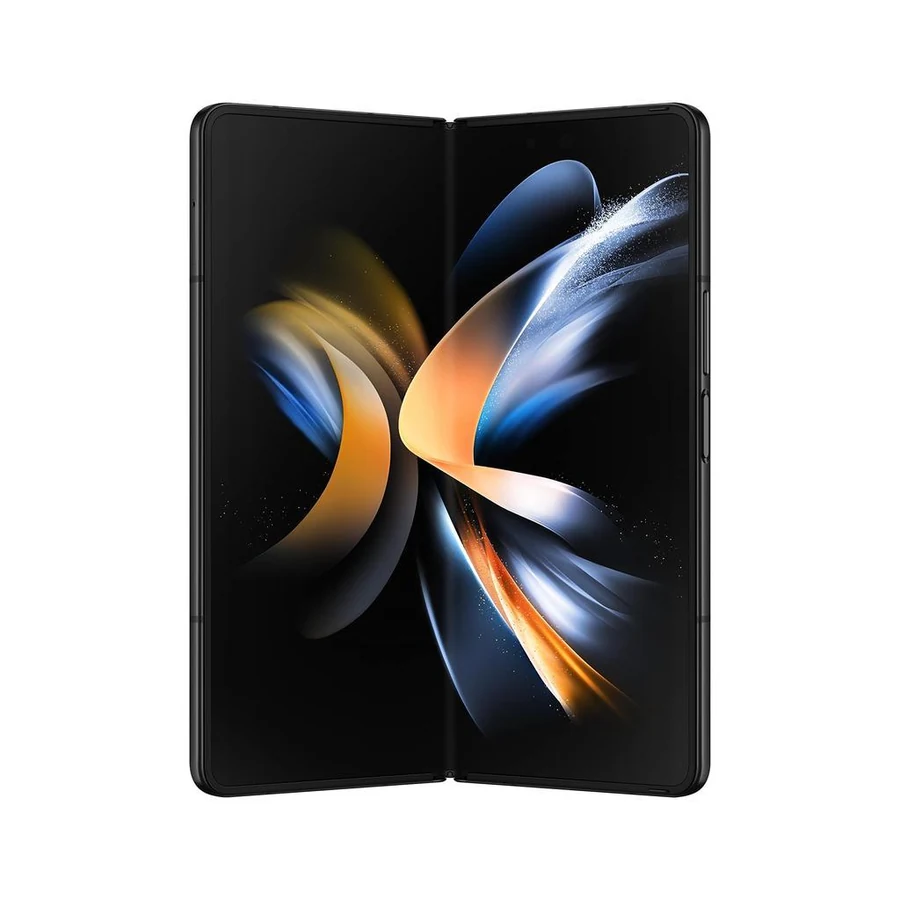
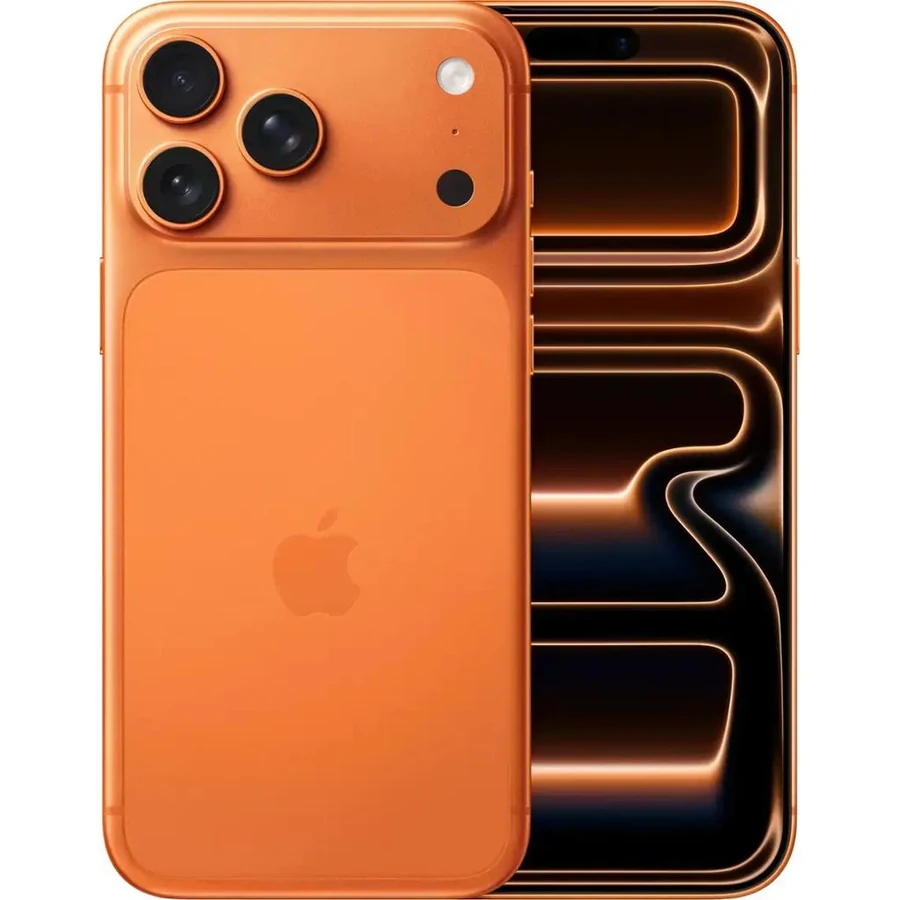
Galaxy Z Fold4 · E wātea ana ki ngā whatunga katoa vs iPhone 17 Pro Max · E wātea ana ki ngā whatunga katoa

  • Pūtāhui kotahi tau
  • Shipping rates shown at checkout
  • Ka taea te whakahoki i roto i ngā rā 14 (ka pā ngā tikanga tuku whakahoki)
Galaxy Z Fold4 · E wātea ana ki ngā whatunga katoa
Mai i

Utu mō te mea kua whakahoungia:USD 161 $

Utu mō te mea hou · USD 2000 $

Tirohia ngā kōwhiringa
iPhone 17 Pro Max · E wātea ana ki ngā whatunga katoa
Mai i

Utu mō te mea kua whakahoungia:USD 356 $

Utu mō te mea hou · USD 1199 $

Tirohia ngā kōwhiringa

He tirohanga poto ki ngā rerekētanga

The Samsung Galaxy Z Fold4 (2022) and the Apple iPhone 17 Pro Max (2025) represent two distinct approaches to high-end mobile engineering. While the Galaxy Z Fold4 features an innovative foldable design that transforms from a standard smartphone into a tablet-sized screen, the iPhone 17 Pro Max opts for a traditional slate form factor with a large, rigid display. Operating on Android and iOS respectively, these devices cater to users seeking maximum screen estate versus those prioritizing streamlined, conventional usability.

Ngā tauira e wātea ana

Tae

Storage (GB)

Ngā kaute

Te pakari

Both devices are built for long-term daily use, though their release years and hardware designs introduce different considerations for long-term ownership.

  • Software Support Timeline: The iPhone 17 Pro Max benefits from a later release window, ensuring extended operating system updates well into the future, whereas the Galaxy Z Fold4 relies on its established multi-year software schedule.
  • Hardware Durability: The iPhone 17 Pro Max features a rigid unibody frame designed to withstand standard wear, while the Galaxy Z Fold4 incorporates a sophisticated folding hinge mechanism that requires mindful handling over years of use.
  • Repairability and Lifespan: Traditional slate devices like the iPhone generally offer simpler repair paths compared to foldable screens, making expected practical lifespans dependent on how users manage mechanical folding parts.

Te tau i tukuna ai

2022

2025

Te pūnaha whakahaere hototahi hōu rawa

Āe

Āe

Pūnaha whakahaere

Android

iOS

Foldable

Āe

Kāo

Te kaha mahi

Performance capabilities on both models support demanding workflows, extensive multitasking, and immersive mobile gaming without friction.

  • Multitasking and Memory: Generous system memory allocations on both devices allow seamless switching between heavy productivity apps, split-screen viewing, and background processes.
  • Battery Behavior: The iPhone 17 Pro Max provides all-day energy efficiency through optimized power management, whereas the Galaxy Z Fold4 splits its battery demand across two separate screens, leading to varied charging frequencies depending on how often the inner display is utilized.
  • System Responsiveness: Current-generation internal processors ensure rapid app loading times, smooth frame rates in high-end games, and fluid navigation across both user interfaces.

Te kounga o te mata

Display technology is the primary differentiator between these two models, offering distinct visual experiences for media consumption and daily tasks.

  • Display Format: The Galaxy Z Fold4 provides a standard outer screen alongside an expansive foldable inner display, whereas the iPhone 17 Pro Max delivers a single, large rigid OLED panel with high peak brightness.
  • Visual Clarity: Both devices utilize high-resolution OLED technology to produce deep contrast levels, sharp text, and vibrant color accuracy for photos and video playback.
  • Smoothness and Adaptability: High refresh rates on both models ensure fluid scrolling, responsive touch input, and seamless animations during daily interaction.

Taumira

1812 x 2176

2868x1320

Te momo mata

Foldable Dynamic AMOLED 2X

Super Retina XDR

Te ataata me te oro

Imaging hardware and media output capabilities are tailored to capture high-resolution photos and deliver robust audio-visual playback.

  • Camera Systems: Both smartphones feature versatile multi-lens rear camera arrays capable of handling detailed close-ups, wide-angle environments, and low-light photography effectively.
  • Video and Audio: High-definition video recording features are paired with clear multi-microphone setups for calls, alongside balanced stereo speakers that enrich media playback.
  • Selfie Integration: The iPhone utilizes a high-resolution front-facing camera, while the Galaxy Z Fold4 distributes front-facing sensors across both its cover screen and an under-display option on the main folding panel.

Kāmera matua

50 megapixels

48 megapixels

Kāmera o mua

4 megapixels

18 megapixels

Ētahi atu āhuatanga

Practical physical traits and connectivity standards shape how each device fits into everyday routines and travel needs.

  • Connectivity and Ports: Both models support fast 5G cellular networks, modern Wi-Fi standards, and secure biometric authentication methods such as facial recognition or fingerprint scanning.
  • Physical Dimensions: The Galaxy Z Fold4 has a narrower outer profile when folded but unfolds into a heavier, wider footprint, while the iPhone 17 Pro Max maintains a wide, consistent slate profile that is heavier than standard single-screen phones.
  • Build Materials: Premium glass and metallic elements define the exterior finishes, providing a sturdy hand feel alongside standard water resistance ratings for accidental spills.

Taumaha

9.28 oz (263 g)

8.22 oz (233 g)

Te rahi o te mata (inihi)

7.6

6.9

Whatunga

5G

5G

Kāri SIM

Physical SIM + eSIM

eSIM

Carrier compatibility

E wātea ana ki ngā whatunga katoa

E wātea ana ki ngā whatunga katoa

Ngā whakaaro o te hapori

User feedback highlights distinct preferences for each device depending on daily workflow habits. Owners of the Galaxy Z Fold4 frequently praise its tablet-like multitasking potential and flexible reading workspace, though some note the heavier weight and visible crease on the inner screen. Conversely, users of the iPhone 17 Pro Max appreciate its reliable battery endurance, dependable rigid display, and streamlined ecosystem integration, while noting the lack of a folding form factor. Users prioritizing multi-window productivity and split-screen versatility will find the Galaxy Z Fold4 well-suited to their needs, while those prioritizing a traditional large display, extended software backing, and consistent one-piece durability may lean toward the iPhone 17 Pro Max. For consumers exploring sustainable technology choices, opting for a quality-assured refurbished option provides a practical way to acquire either device with reduced environmental impact.


Ā mātou whakataurite hou

WhatsApp