
Compare models

Galaxy S9 · E wātea ana ki ngā whatunga katoa vs iPhone SE (2016) · E wātea ana ki ngā whatunga katoa

  • Pūtāhui kotahi tau
  • Shipping rates shown at checkout
  • Ka taea te whakahoki i roto i ngā rā 14 (ka pā ngā tikanga tuku whakahoki)
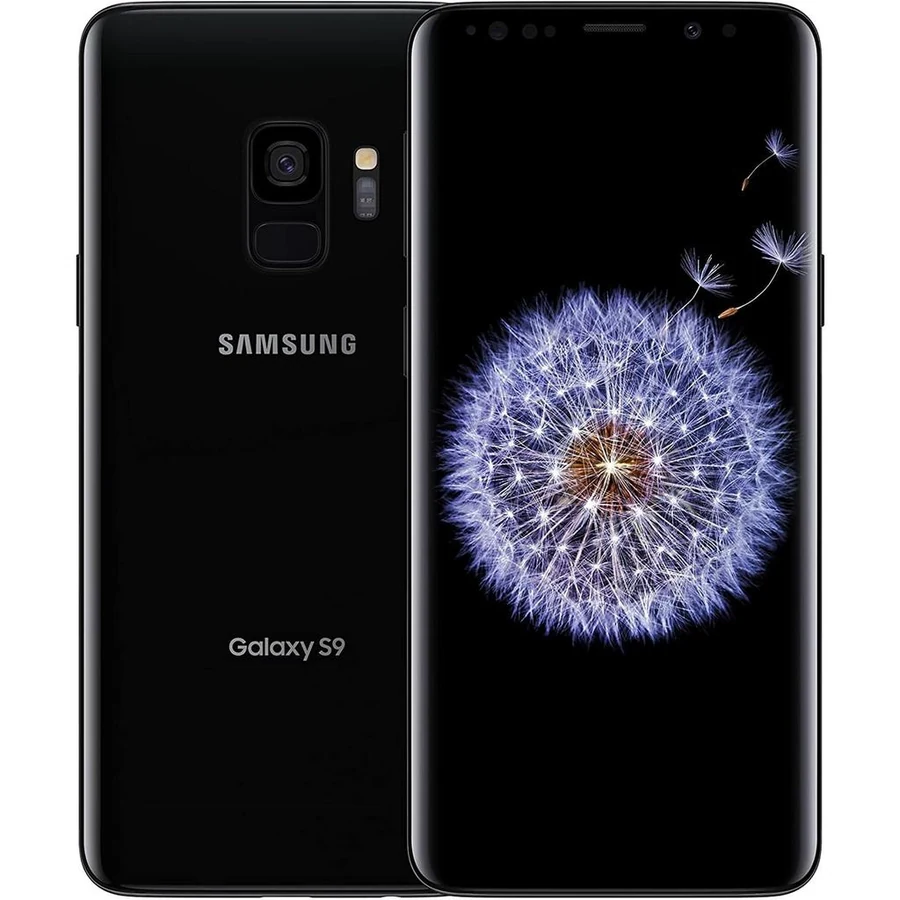
Galaxy S9 · E wātea ana ki ngā whatunga katoa
Mai i

Utu mō te mea kua whakahoungia:USD 32 $

Utu mō te mea hou · USD 399 $

Tirohia ngā kōwhiringa
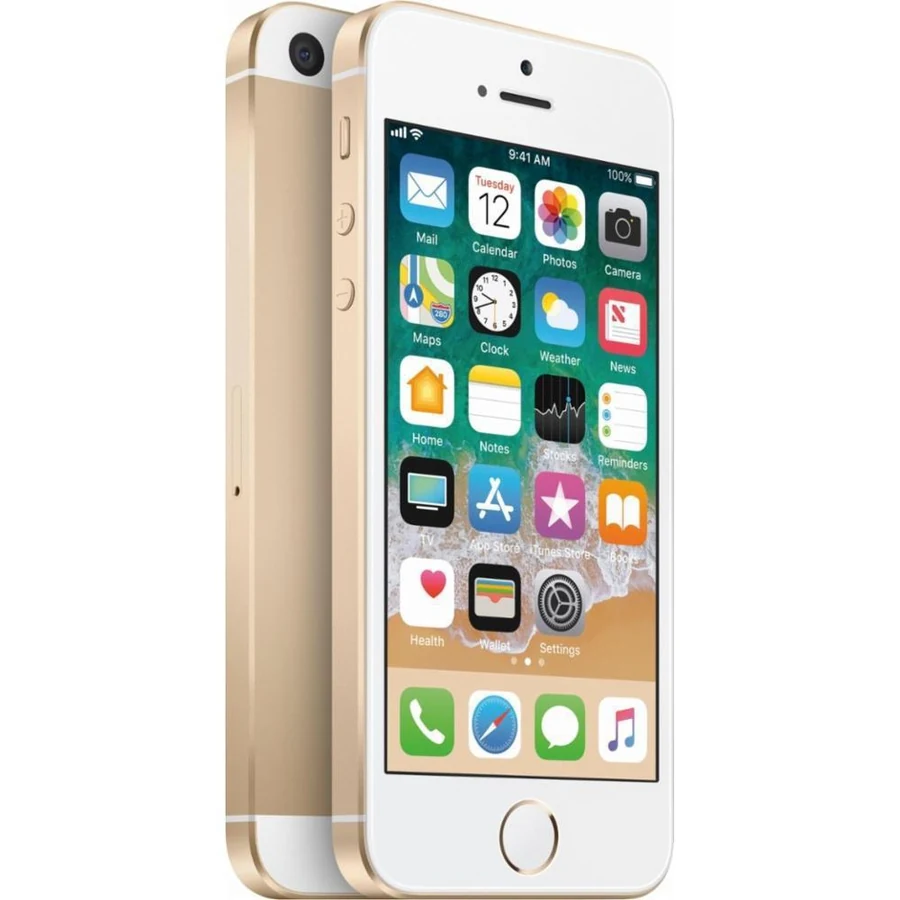
iPhone SE (2016) · E wātea ana ki ngā whatunga katoa
Mai i

Utu mō te mea kua whakahoungia:USD 36 $

Utu mō te mea hou · USD 249 $

Tirohia ngā kōwhiringa

He tirohanga poto ki ngā rerekētanga

The Samsung Galaxy S9, released in March 2018, and the Apple iPhone SE (2016), launched in March 2016, represent distinct approaches to smartphone design and operating systems from their respective release eras. While the Galaxy S9 offered a modern, expansive display and an Android experience, the iPhone SE (2016) provided a compact form factor running Apple's iOS. These devices cater to different user preferences, primarily differing in screen size, camera capabilities, and software ecosystems.

Ngā tauira e wātea ana

Tae

Storage (GB)

Ngā kaute

Te pakari

Comparing the longevity of these two devices involves looking at their release timelines, software support, and physical durability.

  • Release Timeline and Age: The iPhone SE (2016) was released two years prior to the Galaxy S9, making it an older device overall. This age difference impacts how long each device received official software updates and security patches.
  • OS Support Duration: The iPhone SE (2016) launched with iOS 9.3.2 and received updates up to iOS 15.8.5, providing a substantial period of software support. The Galaxy S9, starting with Android 8.0, was officially updated to Android 10, with security updates continuing for a period afterward. Both devices have now reached the end of their major operating system update cycles.
  • Repairability: The Galaxy S9 received a low repairability score of 4 out of 10 from iFixit, primarily due to its extensive use of adhesive and glass panels, making repairs challenging, especially for the display and battery. In contrast, the iPhone SE (2016) was considered more repair-friendly, with a score of 6 out of 10, noting that common components like the battery are relatively accessible.

Te tau i tukuna ai

2018

2016

Te pūnaha whakahaere hototahi hōu rawa

Kāo

Kāo

Pūnaha whakahaere

Android

iOS

Foldable

Kāo

Kāo

Te kaha mahi

The performance of these smartphones is influenced by their internal components, affecting how smoothly they handle applications and multitasking.

  • Processor Capabilities: The Galaxy S9 features a more recent generation processor compared to the iPhone SE (2016). This translates to the Galaxy S9 generally handling demanding applications and complex tasks with greater efficiency and responsiveness. The iPhone SE (2016), while powerful for its time, may show more hesitation with newer, resource-intensive applications.
  • RAM and Multitasking: The Galaxy S9 typically comes with 4GB of RAM, allowing for smoother transitions between multiple open applications and more efficient background processes. The iPhone SE (2016) has 2GB of RAM, which can lead to more frequent app reloads when switching between several applications.
  • Storage Options: Both devices offered various internal storage configurations. The Galaxy S9 provided options up to 256GB, with expandable storage via a microSD card, offering flexibility for users with large media libraries. The iPhone SE (2016) was available with up to 128GB of internal storage, without an option for expansion.

Te kounga o te mata

The visual experience on these devices differs significantly due to their display technologies and physical dimensions.

  • Display Technology and Resolution: The Galaxy S9 features a 5.8-inch Super AMOLED display with a high resolution of 2960 x 1440 pixels, resulting in sharp images and vibrant colors with deep blacks. The iPhone SE (2016) has a smaller 4.0-inch IPS LCD Retina display with a resolution of 1136 x 640 pixels, offering clear text and good color accuracy for its size.
  • Brightness and Outdoor Visibility: The Super AMOLED panel on the Galaxy S9 generally provides higher peak brightness, which can improve visibility in bright outdoor conditions. The iPhone SE (2016)'s LCD screen offers adequate brightness, with users reporting it performs well for typical viewing.
  • Screen Size and Viewing Experience: The Galaxy S9's larger, curved display offers a more immersive viewing experience for media consumption and browsing. The iPhone SE (2016)'s compact 4.0-inch screen is designed for one-handed use and portability, appealing to users who prefer a smaller device.

Taumira

1440 x 2960

640 x 1136

Te momo mata

Super AMOLED

IPS LCD

Te ataata me te oro

The camera systems on the Galaxy S9 and iPhone SE (2016) offer different capabilities for capturing photos and videos.

  • Main Camera Performance: The Galaxy S9 features a 12-megapixel rear camera with a variable aperture (f/1.5-2.4), which allows it to adapt to different lighting conditions, excelling in low-light photography. The iPhone SE (2016) also has a 12-megapixel rear camera (f/2.2) that delivers clear and detailed photos in good lighting.
  • Video Recording Quality: Both devices are capable of recording 4K video at 30 frames per second. The Galaxy S9 also offers super slow-motion video recording at 960 frames per second for brief moments. The iPhone SE (2016) provides software-based video stabilization.
  • Front Camera and Audio: The Galaxy S9 includes an 8-megapixel front camera, suitable for detailed selfies and video calls. The iPhone SE (2016) has a 1.2-megapixel front camera, which is functional for basic video calls and selfies. The Galaxy S9 also features stereo speakers tuned by AKG, providing a richer audio experience for media consumption.

Kāmera matua

12 megapixels

12 megapixels

Kāmera o mua

8 megapixels

1.2 megapixels

Ētahi atu āhuatanga

Beyond core features, several practical elements differentiate the user experience of these two smartphones.

  • Connectivity and Ports: Both devices support 4G LTE and various Wi-Fi standards. The Galaxy S9 uses a USB-C port for charging and data transfer, while the iPhone SE (2016) utilizes Apple's Lightning port. Both phones retain a 3.5mm headphone jack, a feature that has become less common in newer smartphones.
  • Biometric Security: The Galaxy S9 offers multiple biometric options, including a rear-mounted fingerprint sensor and an iris scanner for secure unlocking. The iPhone SE (2016) features a front-mounted Touch ID fingerprint sensor integrated into its home button.
  • Design and Handling: The Galaxy S9 has a modern design with a glass back and front, offering a premium feel and IP68 water and dust resistance. The iPhone SE (2016) maintains the classic iPhone 5s aluminum design, known for its lightweight and compact build, making it easy to handle with one hand.

Taumaha

6 oz

4 oz

Whānui

—

2.31 in

Teitei

—

4.87 in

Hōhonu

—

0.3 in

Te rahi o te mata (inihi)

5.8

4

Whatunga

LTE

LTE

Kāri SIM

SIM ā-tinana

SIM ā-tinana

Carrier compatibility

E wātea ana ki ngā whatunga katoa

E wātea ana ki ngā whatunga katoa

Tūhono

—

Lightning + Jack 3.5mm

Ngā whakaaro o te hapori

The Samsung Galaxy S9 and iPhone SE (2016) cater to different user priorities, reflecting their respective design philosophies and release timelines. Users often praised the Galaxy S9 for its vibrant display, advanced camera capabilities, and modern design. Common criticisms sometimes pointed to its battery life for heavy users and the complexity of repairs. The iPhone SE (2016) was frequently lauded for its compact size, strong performance for its form factor, and impressive battery life relative to its size. Some users noted its older design and less capable front camera as areas for improvement.

Users prioritizing a larger, immersive display, advanced camera features, and the flexibility of the Android ecosystem may find the Galaxy S9 well-suited to their needs. Those who value a highly portable device, a classic design, and the straightforward experience of iOS, particularly for one-handed use, might lean towards the iPhone SE (2016). Both devices, while no longer receiving the latest software updates, can still serve as reliable daily drivers for less demanding tasks. For those considering these models, exploring quality-assured refurbished options can provide an eco-friendly alternative to extend the lifespan of these capable smartphones.

Ā mātou whakataurite hou

WhatsApp