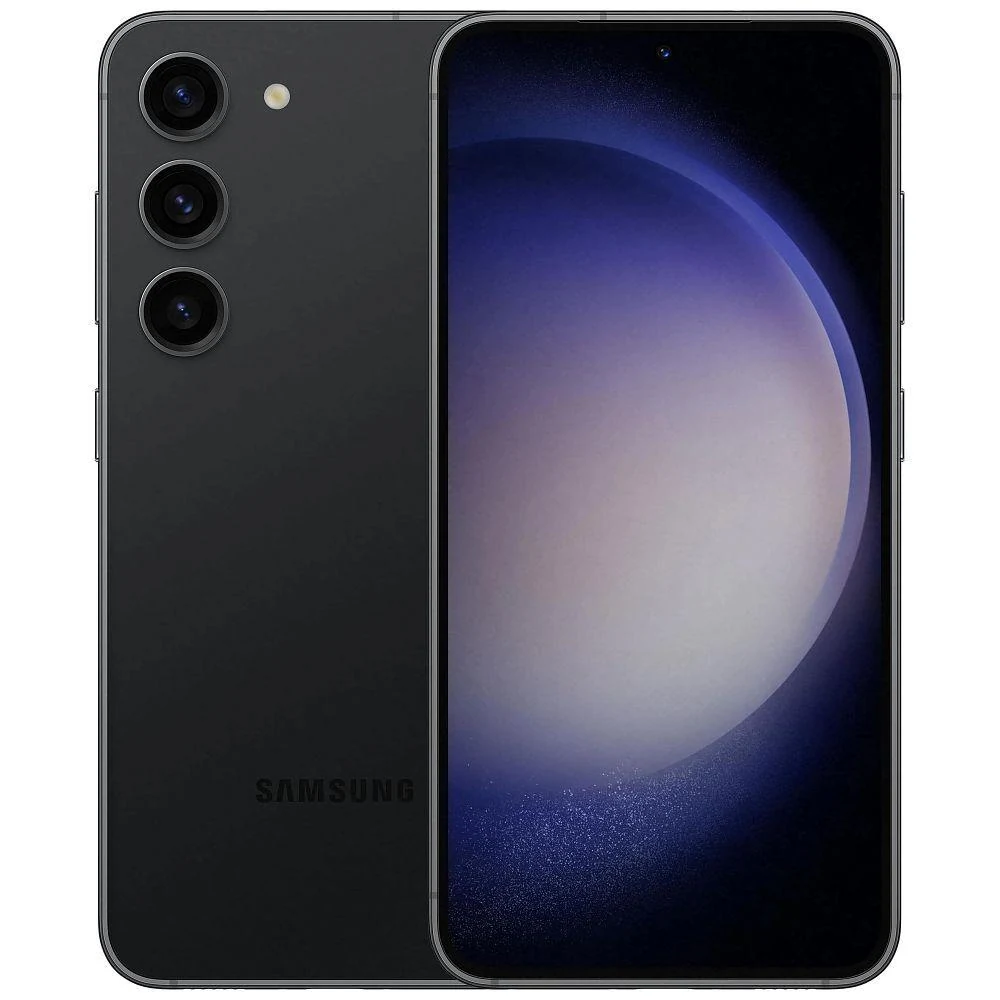

Compare models
Galaxy S23 · E wātea ana ki ngā whatunga katoa vs Google Pixel 9 Pro · E wātea ana ki ngā whatunga katoa
- Pūtāhui kotahi tau
- Shipping rates shown at checkout
- Ka taea te whakahoki i roto i ngā rā 14 (ka pā ngā tikanga tuku whakahoki)

Utu mō te mea kua whakahoungia:USD 182 $
Utu mō te mea hou · USD 999.99 $
He tirohanga poto ki ngā rerekētanga
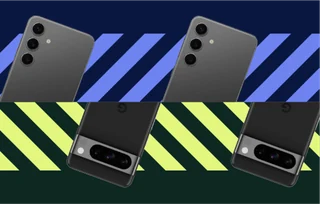
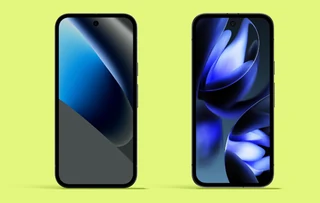
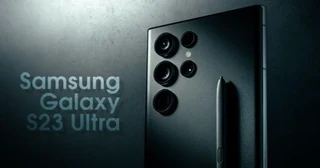
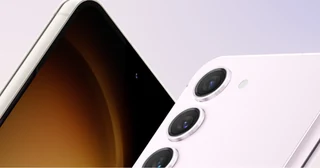
The Samsung Galaxy S23, released in early 2023, and the Google Pixel 9 Pro, launched in late 2024, represent distinct approaches to the premium Android smartphone experience. While the Galaxy S23 offers a compact design with a focus on overall performance, the Pixel 9 Pro emphasizes Google's advanced computational photography and AI-driven features within a slightly larger form factor. Both devices operate on the Android system, but they feature different user interfaces and software philosophies.
Ngā tauira e wātea ana
Tae
Storage (GB)
Ngā kaute
Te pakari
The practical lifespan of these devices is influenced by their release dates and manufacturer support policies.
- Release Timeline: The Google Pixel 9 Pro, being a newer device released in late 2024, benefits from a more extended support window compared to the Samsung Galaxy S23, which launched in early 2023. [1]
- Software Updates: The Pixel 9 Pro is designed to receive major Android updates and security patches for up to seven years from its release, ensuring prolonged access to the latest features and security enhancements. [1, 3] The Galaxy S23 offers four major Android OS updates and five years of security updates, meaning its software support will conclude sooner than the Pixel 9 Pro. [1, 14]
- Physical Durability: Both phones feature robust builds with premium materials like Gorilla Glass and aluminum frames, offering similar levels of water and dust resistance with an IP68 rating. [1, 10, 32]
Te tau i tukuna ai
2023
2024
Te kaha mahi
Performance varies between these two devices, reflecting their different release timelines and hardware optimizations.
- Everyday Responsiveness: The Galaxy S23 handles demanding applications, multitasking, and gaming smoothly, providing a fluid user experience. [1] The Pixel 9 Pro, with its newer internal components, also delivers a responsive experience, particularly excelling in tasks that leverage its integrated artificial intelligence capabilities. [19, 32]
- Multitasking Capabilities: The Pixel 9 Pro typically comes with 16GB of RAM, which allows for extensive multitasking and seamless switching between numerous applications. [10, 16] The Galaxy S23, generally equipped with 8GB of RAM, manages multitasking effectively for most users. [10, 14]
- Battery Behavior: The Pixel 9 Pro features a larger 4700 mAh battery, which often translates to extended usage times for many users. [10, 16, 23] The Galaxy S23 has a 3900 mAh battery, providing sufficient power for a full day of moderate use, though heavy users might find themselves charging more frequently. [10, 32]
Te kounga o te mata
Both smartphones offer high-quality displays, but with differences in size and characteristics.
- Display Technology: The Galaxy S23 features a vibrant Dynamic AMOLED 2X display, known for its deep blacks, excellent contrast, and vivid colors. [1, 10] The Pixel 9 Pro utilizes an LTPO OLED panel, which allows for more dynamic refresh rate adjustments, contributing to power efficiency. [1, 10]
- Brightness and Clarity: The Pixel 9 Pro offers significantly higher peak brightness, reaching up to 3000 nits, making it highly visible even in direct sunlight. [10, 16, 19, 30, 32] The Galaxy S23 provides a peak brightness of 1750 nits, which is still bright for most viewing conditions. [10] The Pixel 9 Pro also features a higher resolution of 2856x1280 pixels, resulting in a slightly higher pixel density compared to the Galaxy S23's 2340x1080 resolution. [10, 13]
- Size and Viewing Experience: The Galaxy S23 offers a more compact 6.1-inch screen size, making it easier for one-handed use. [1, 10] The Pixel 9 Pro has a 6.3-inch display, which provides a slightly larger canvas for media consumption and productivity. [10, 16] Both displays support a 120Hz refresh rate for smooth scrolling and animations. [10, 32]
Te ataata me te oro
Both devices feature advanced camera systems, each with distinct strengths in photography and videography.
- Rear Camera System: The Galaxy S23 includes a triple camera setup with a 50MP main sensor, a 12MP ultrawide lens, and a 10MP telephoto lens offering 3x optical zoom. [8, 10] The Pixel 9 Pro also features a triple camera system, typically with a 50MP main sensor, a 48MP ultrawide, and a 48MP telephoto lens capable of 5x optical zoom. [8, 10, 16, 19, 30]
- Photography Performance: The Pixel 9 Pro excels in computational photography, often producing detailed images with natural colors and strong low-light performance, enhanced by its AI capabilities. [19, 30, 32] The Galaxy S23 delivers vibrant and well-exposed photos, with its telephoto lens providing versatile zoom capabilities. [25]
- Front Camera and Video: The Pixel 9 Pro features a higher resolution 42MP front camera, offering superior detail for selfies and video calls. [4, 12, 13] The Galaxy S23 has a 12MP front camera. [8, 21] Both phones are capable of high-quality video recording, with the Pixel often praised for its video stabilization and the Galaxy for its range of shooting modes. [25, 26]
Ētahi atu āhuatanga
Beyond core performance and display, several practical elements differentiate these two devices.
- Connectivity Standards: The Galaxy S23 supports 5G, Wi-Fi 6E, and Bluetooth 5.3, offering fast and reliable wireless connections. [1, 8] The Pixel 9 Pro, being newer, likely incorporates more advanced standards like Wi-Fi 7 and Bluetooth 5.4, potentially offering faster speeds and improved efficiency. [1, 8]
- Physical Design and Handling: The Galaxy S23 is a smaller, lighter device, making it more comfortable for users who prefer a compact phone for one-handed use. [1, 10, 19] The Pixel 9 Pro is a slightly larger and heavier device, which can be beneficial for media consumption and productivity but may require two-handed operation for some. [1, 10, 19]
- Biometric Security and Ports: Both phones offer secure biometric authentication. The Galaxy S23 uses an ultrasonic under-display fingerprint sensor. [10] The Pixel 9 Pro typically features an optical under-display fingerprint sensor and advanced facial recognition. [1] Both devices utilize a USB-C port for charging and data transfer. [1]
Te rahi o te mata (inihi)
6.1
6.3
Whatunga
5G
5G
Kāri SIM
Physical SIM + eSIM
Physical SIM + eSIM
Carrier compatibility
E wātea ana ki ngā whatunga katoa
Ngā whakaaro o te hapori
User sentiment for both the Samsung Galaxy S23 and the Google Pixel 9 Pro highlights their respective strengths. The Galaxy S23 is frequently praised for its compact form factor, consistent performance, and vibrant display, making it a reliable choice for everyday use. Some users appreciate its overall polished experience and the extensive customization options available through Samsung's software. [22, 27]
The Pixel 9 Pro garners acclaim for its exceptional camera capabilities, clean software experience, and the integration of advanced AI features. Its extended software support is a significant advantage for users who prioritize long-term device longevity and access to the latest Android innovations. Some users have noted improved battery life compared to previous Pixel models. [23, 28]
Users prioritizing a more compact device with a proven track record of balanced performance and a rich feature set may find the Galaxy S23 well-suited to their needs. Those who value cutting-edge computational photography, a pure Android experience with extensive AI integration, and the longest possible software support will likely lean towards the Pixel 9 Pro. Both devices offer robust performance for daily tasks, media consumption, and communication. For those considering either of these capable smartphones, exploring quality-assured refurbished options can provide an eco-friendly alternative.