
Compare models

Galaxy A16 5G · E wātea ana ki ngā whatunga katoa vs Google Pixel 10 Pro XL · E wātea ana ki ngā whatunga katoa

  • Pūtāhui kotahi tau
  • Shipping rates shown at checkout
  • Ka taea te whakahoki i roto i ngā rā 14 (ka pā ngā tikanga tuku whakahoki)
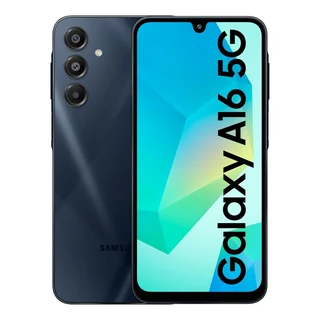
Galaxy A16 5G · E wātea ana ki ngā whatunga katoa
Mai i

Utu mō te mea kua whakahoungia:USD 65 $

Utu mō te mea hou · USD 195 $

Tirohia ngā kōwhiringa
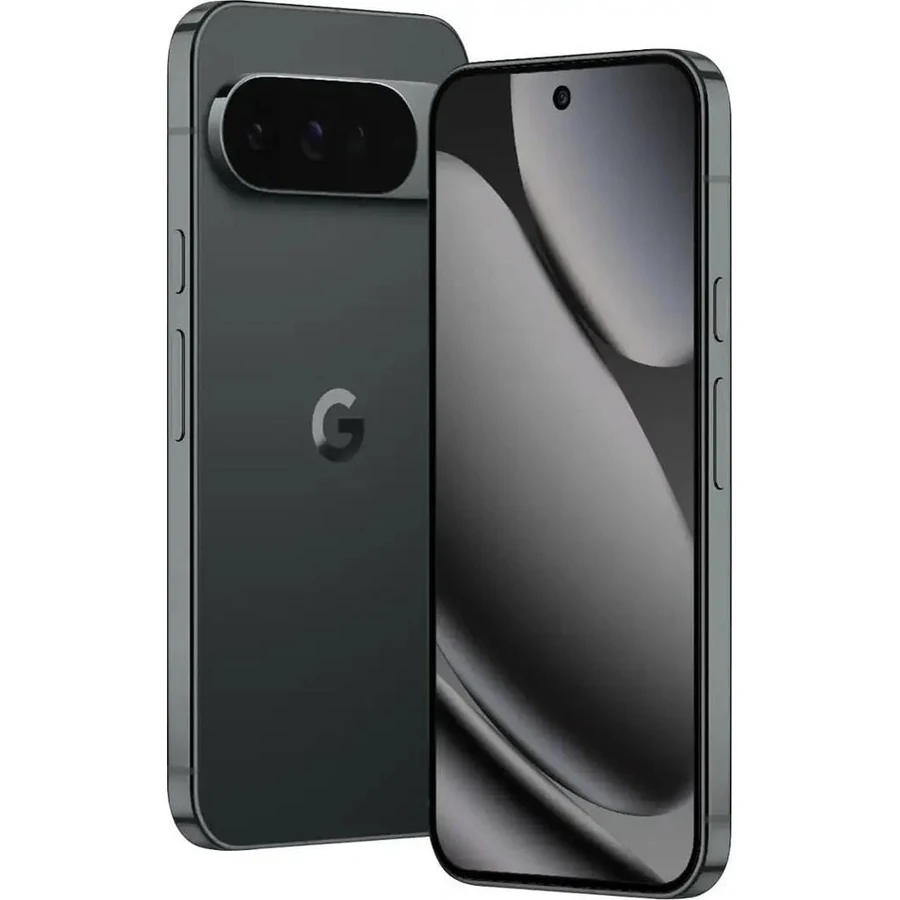
Google Pixel 10 Pro XL · E wātea ana ki ngā whatunga katoa
Mai i

Utu mō te mea kua whakahoungia:USD 222 $

Utu mō te mea hou · USD 1199 $

Tirohia ngā kōwhiringa

He tirohanga poto ki ngā rerekētanga

The Samsung Galaxy A16 5G (2024) and the Google Pixel 10 Pro XL (2025) are modern smartphones that serve different segments of the mobile market. While the Galaxy A16 5G focuses on everyday accessibility and long-term software support for budget-conscious users, the Google Pixel 10 Pro XL operates as a high-end flagship equipped with advanced computing capabilities and professional-grade hardware. Both run on the Android operating system, though they offer distinct software interfaces and feature sets tailored to contrasting user expectations.

Ngā tauira e wātea ana

Tae

Storage (GB)

Ngā kaute

Te pakari

When examining longevity and durability, both devices offer robust software support lifelines, though they approach physical construction and repairability through different lenses.

  • Software Support: The Galaxy A16 5G provides an extended update commitment spanning multiple years, matching timelines typically reserved for higher-tier models. The Google Pixel 10 Pro XL matches this long-term approach with a comprehensive multi-year update schedule for both system upgrades and security patches.
  • Build and Repairability: The Google Pixel 10 Pro XL utilizes premium glass and metal materials alongside high-level water and dust resistance ratings. The Galaxy A16 5G features a streamlined plastic-based construction with basic splash resistance, designed for straightforward daily handling.
  • Expected Lifespan: Both models are built to remain functional for years, with the Pixel offering higher-tier hardware resilience and the Samsung focusing on reliable, long-term daily utility.

Te tau i tukuna ai

2024

2025

Pūnaha whakahaere

Android

Android

Foldable

Kāo

Kāo

Te kaha mahi

Performance capabilities diverge significantly based on each device's intended tier, influencing multitasking smoothness, storage capacity, and overall battery endurance.

  • Processor Responsiveness: The Google Pixel 10 Pro XL handles demanding applications, intensive gaming, and complex multitasking smoothly thanks to its current-generation flagship processor and generous RAM configuration. The Galaxy A16 5G manages everyday tasks like web browsing, social media, and messaging reliably with its efficient mid-range processor.
  • Battery Behavior: The Galaxy A16 5G features a large battery capacity that easily powers through standard daily usage without frequent top-ups. The Google Pixel 10 Pro XL matches this endurance with a high-capacity power cell paired with advanced power management and rapid charging speeds.
  • Storage Configurations: The Pixel line provides expansive internal storage paired with high-speed data transfer tech, whereas the Samsung offers scalable storage options often supplemented by expandable memory slots depending on the regional variant.

Te kounga o te mata

Display characteristics shape the visual experience, offering variations in panel technology, brightness levels, and overall viewing smoothness.

  • Display Technology: The Google Pixel 10 Pro XL features a large, high-resolution OLED panel with deep contrast, vivid colors, and an adaptive refresh rate reaching up to 120Hz for seamless scrolling. The Galaxy A16 5G utilizes a bright Super AMOLED screen with a fixed 90Hz refresh rate, delivering clear visuals for media consumption.
  • Outdoor Visibility: The Pixel 10 Pro XL achieves exceptionally high peak brightness levels to maintain clarity under direct sunlight. The Samsung model offers reliable outdoor visibility suitable for standard daylight use.
  • Rahi mata: The Pixel 10 Pro XL provides an expansive viewing canvas ideal for productivity and entertainment, while the Galaxy A16 5G balances a large viewing area with comfortable ergonomics.

Taumira

1080x2340

1344 x 2992

Te momo mata

Super AMOLED

LTPO OLED

Te ataata me te oro

Media creation and audio playback capabilities reflect the philosophical gap between a standard daily device and a photography-focused flagship.

  • Camera Systems: The Google Pixel 10 Pro XL incorporates a versatile triple-lens rear setup featuring high-resolution main, ultra-wide, and telephoto sensors, supported by advanced computational photography tools for detailed low-light and zoomed shots. The Galaxy A16 5G equips a functional multi-lens array geared toward clear everyday snapshots and casual video recording.
  • Video and Audio: The Pixel records stable, high-definition video with studio-quality audio capture, while its stereo speakers deliver rich media sound. The Samsung provides clear voice recording and standard loudspeaker output suitable for hands-free calls and casual viewing.
  • Refurbished Alternative: For users exploring a sustainable choice, opting for a quality-assured refurbished model from RefurbLane provides access to high-end photography hardware with a reduced environmental footprint.

Ētahi atu āhuatanga

Practical daily features, connectivity standards, and physical dimensions determine how each device integrates into an active routine.

  • Hononga: Both models support modern 5G networks, fast Wi-Fi standards, and Bluetooth pairing for seamless accessory connection. The Pixel 10 Pro XL adds advanced ultra-wideband capabilities for precise local tracking and device pairing.
  • Physical Dimensions: The Galaxy A16 5G maintains a relatively slim profile despite its large battery, whereas the Pixel 10 Pro XL is heavier and larger due to its robust metal frame and advanced camera components.
  • Authentication: The Pixel utilizes secure under-display fingerprint sensing alongside facial recognition, while the Samsung relies on a side-mounted fingerprint sensor integrated into the power button.

Taumaha

7 oz

8 oz

Te rahi o te mata (inihi)

6.7

6.8

Whatunga

5G

5G

Kāri SIM

SIM ā-tinana

eSIM

Carrier compatibility

E wātea ana ki ngā whatunga katoa

E wātea ana ki ngā whatunga katoa

Tūhono

USB-C

USB-C

Ngā whakaaro o te hapori

User feedback from online communities highlights distinct preferences for each device. Owners of the Galaxy A16 5G frequently praise its dependable battery life, clear display, and long-term software commitment relative to its accessibility. Common discussions note that while it handles daily tasks well, heavy gamers or mobile photographers may find its processing limits and camera versatility modest. Conversely, users of the Google Pixel 10 Pro XL frequently highlight its exceptional camera output, fluid display, and smooth multitasking performance, though some note its larger physical footprint and weight require two-handed usage.

Users prioritizing high-end photography, maximum processing power, and premium display fluidity will find the Google Pixel 10 Pro XL well-suited to their needs. Meanwhile, users prioritizing straightforward daily communication, reliable battery endurance, and long-term software support within an accessible profile may lean toward the Galaxy A16 5G. Choosing a quality-assured refurbished option through RefurbLane further allows buyers to secure these features as an eco-friendly alternative that reduces electronic waste.
Ā mātou whakataurite hou

WhatsApp