Compare models
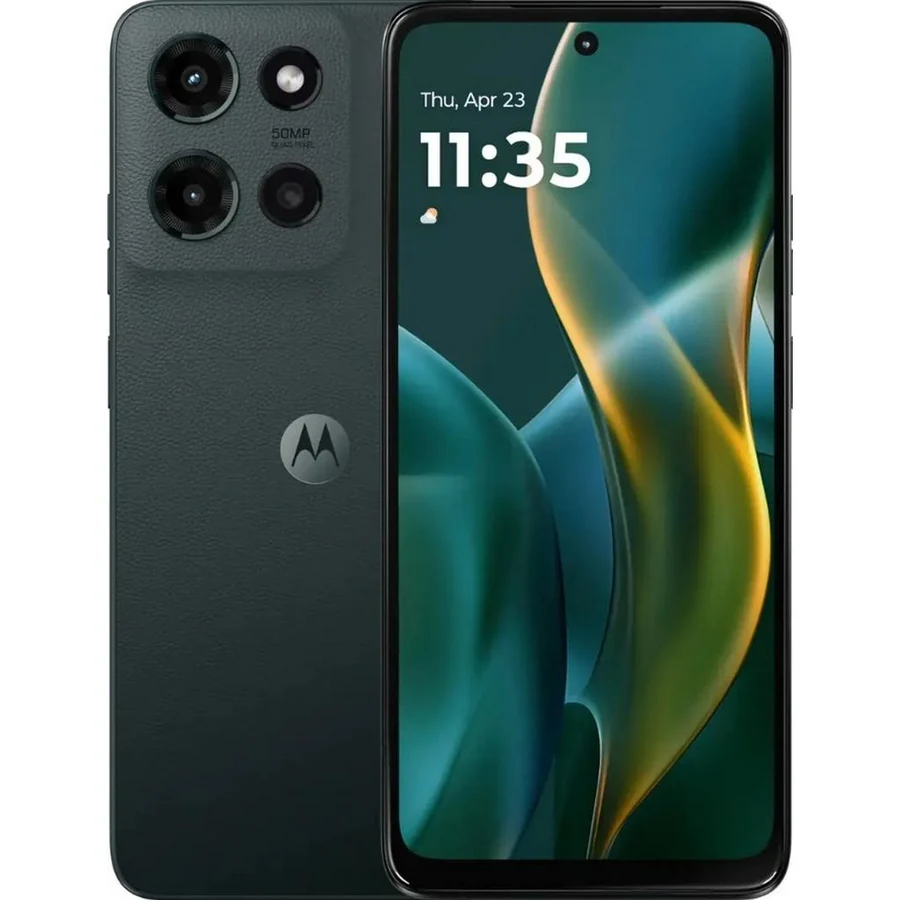
Motorola Moto G (2025) · Sbloccato vs Motorola Moto G Play (2024) · Sbloccato
- Garanzia di un anno
- Shipping rates shown at checkout
- Resi entro 14 giorni (si applicano le condizioni di spedizione del reso)
Le differenze in breve
The Motorola Moto G (2025) and the Motorola Moto G Play (2024) are accessible Android smartphones designed to deliver reliable everyday core features. While both models cater to users seeking straightforward functionality, the Moto G (2025) introduces a newer release year, faster network connectivity, and an updated software ecosystem compared to the older, 4G-only Moto G Play (2024).
Modelli disponibili
Colore
Storage (GB)
Punteggi
Durata
When evaluating longevity and durability, these two devices reflect different generations of release timelines and software support windows.
- Release timeline and software support: The Moto G (2025) launched later and ships with a newer version of Android, providing a more extended window for system updates. The Moto G Play (2024) arrives from an earlier production cycle with an older starting operating system.
- Build protection and materials: Both models incorporate Corning Gorilla Glass 3 for scratch resistance on the front glass, alongside basic everyday dust and splash protections suited for standard handling.
- Expected practical lifespan: Users can anticipate a longer period of active software security support from the 2025 release, making it well-suited for long-term daily use as a sustainable choice when acquired through quality-assured refurbished channels.
Anno di uscita
2025
2024
Sistema operativo
Android
Android
Foldable
No
No
Prestazioni
System responsiveness and hardware capabilities differ notably between these two entry-level options, particularly regarding network speed and processing power.
- Processor capabilities and everyday tasks: The Moto G (2025) handles multitasking, web browsing, and switching between everyday apps with increased fluidity thanks to its modern processor architecture. The Moto G Play (2024) manages basic calling, messaging, and lighter apps reliably, though heavier multitasking may show minor loading delays.
- Network connectivity: The Moto G (2025) incorporates modern 5G cellular capabilities for faster data streaming on supported networks, whereas the Moto G Play (2024) is restricted to 4G LTE networks.
- Storage and memory: Both configurations typically feature standard memory allocations paired with expandable storage slots via microSD cards, allowing users to store large photo libraries and media files locally.
Qualità dello schermo
Display specifications prioritize smoothness and viewing comfort differently, impacting how users experience media and daily navigation.
- Refresh rate and visual smoothness: The Moto G (2025) features a faster 120 Hz refresh rate display, resulting in smoother scrolling through web pages and menus. The Moto G Play (2024) utilizes a 90 Hz refresh rate panel, which also offers adequate fluid motion for daily tasks.
- Display size and panel type: The Moto G (2025) offers a slightly larger 6.7-inch screen, while the Moto G Play (2024) features a compact 6.5-inch display. Both rely on LCD technology with standard definition clarity tailored for reading and casual video viewing.
- Outdoor visibility: Panel brightness levels on both devices are adequate for indoor environments, though direct bright sunlight may require manual brightness adjustments for comfortable reading.
Risoluzione
720x1604
720 x 1600
Tipo di schermo
IPS LCD
IPS LCD
Audio e video
Imaging hardware and multimedia features vary between the two models, primarily in lens versatility and secondary sensor inclusions.
- Rear camera systems: The Moto G (2025) includes a dual-camera layout featuring a primary high-resolution sensor alongside a secondary macro lens for close-up photography. The Moto G Play (2024) streamlines its rear setup with a single main sensor.
- Everyday photography: Both devices capture clear daylight snapshots suitable for sharing, with built-in digital enhancements managing contrast and color balance automatically under standard lighting conditions.
- Audio and media consumption: Built-in speakers provide sufficient volume for casual video playback and hands-free calls, and both devices retain the physical 3.5mm headphone jack for wired audio accessories.
Altre caratteristiche
Practical physical characteristics and everyday usability factors shape how these phones handle in daily operation.
- Charging speeds: The Moto G (2025) supports faster wired charging capabilities to replenish its large battery quickly, whereas the Moto G Play (2024) charges at lower wattage levels.
- Physical dimensions and weight: Both smartphones feature lightweight plastic-based body construction with comfortable grip textures, though screen size variations create minor differences in overall footprint height.
- Security features: Quick authentication is supported on both models through side-mounted fingerprint readers and software-based face recognition options.
Peso
7 oz
6 oz
Dimensioni dello schermo (pollici)
6.7
6.5
Rete
5G
LTE
Scheda SIM
Physical SIM + eSIM
SIM fisica
Carrier compatibility
Sbloccato
Sbloccato
Il parere della community
User feedback highlights that both Motorola devices serve consumers looking for straightforward, no-frills mobile communication. Common praise focuses on dependable daily battery longevity, expandable storage capacity, and comfortable ergonomics. Frequent criticisms point out that LCD panels lack the contrast depth of OLED screens and that camera performance struggles in low-light environments. Users prioritizing faster network speeds, smoother screen refresh rates, and extended software support will lean toward the Moto G (2025), while users seeking a basic communication tool for standard calling and messaging find the Moto G Play (2024) adequate. Choosing a quality-assured refurbished model provides an eco-friendly alternative that minimizes electronic waste while delivering fully tested hardware performance.