
Compare models

iPhone Air · E wātea ana ki ngā whatunga katoa vs Motorola Moto G Play (2024) · E wātea ana ki ngā whatunga katoa

  • Pūtāhui kotahi tau
  • Shipping rates shown at checkout
  • Ka taea te whakahoki i roto i ngā rā 14 (ka pā ngā tikanga tuku whakahoki)
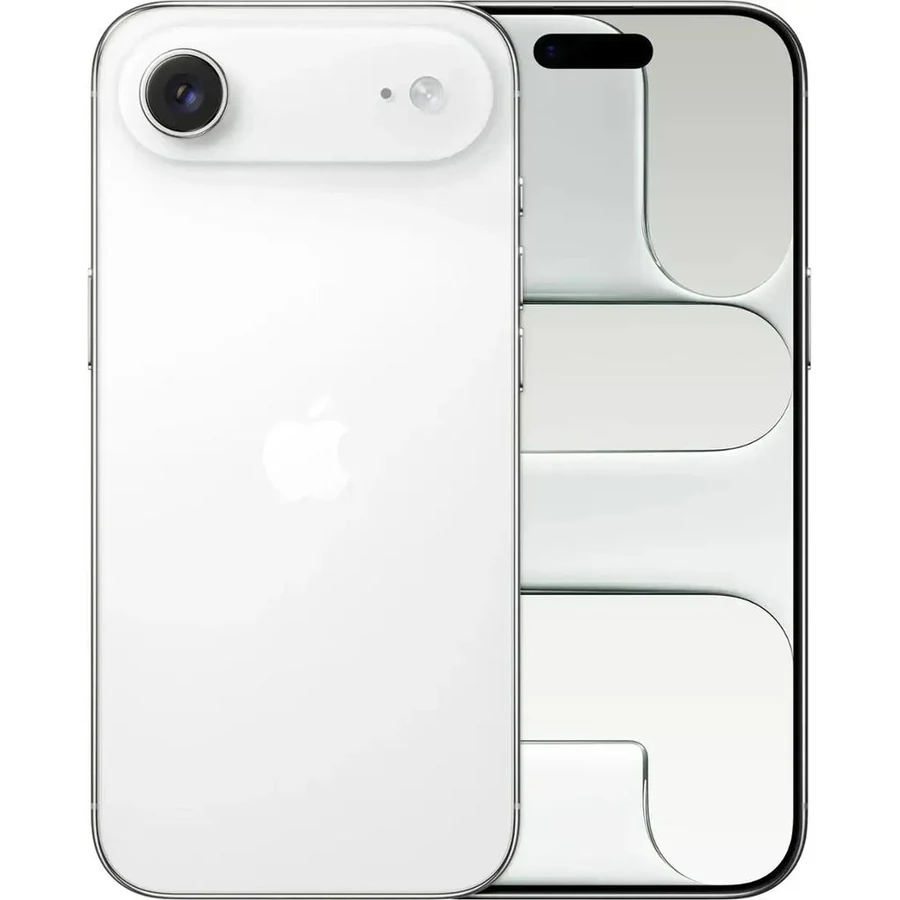
iPhone Air · E wātea ana ki ngā whatunga katoa
Mai i

Utu mō te mea kua whakahoungia:269 $

Utu mō te mea hou · 1099 $

Tirohia ngā kōwhiringa
Motorola Moto G Play (2024) · E wātea ana ki ngā whatunga katoa
Mai i

Utu mō te mea kua whakahoungia:45 $

Utu mō te mea hou · 128.99 $

Tirohia ngā kōwhiringa

He tirohanga poto ki ngā rerekētanga

The iPhone Air (2025) and the Motorola Moto G Play (2024) are modern smartphones that cater to entirely different user expectations, ranging from ultra-slim engineering to dependable everyday simplicity. While the iPhone Air operates on Apple's advanced iOS ecosystem with a heavy focus on high-end hardware, the Motorola Moto G Play runs on Android and prioritizes core functionality. Users evaluating these devices will notice distinct differences in build philosophy, interface experience, and everyday capability.

Ngā tauira e wātea ana

Tae

Storage (GB)

Ngā kaute

Te pakari

These devices offer contrasting hardware lifespans and support structures, reflecting their distinct market placements and release years.

  • Software Support Timeline: The iPhone Air benefits from extended software updates typical of Apple's flagship tier, while the Motorola Moto G Play features a more modest update window suited to its accessible category.
  • Build and Repairability: The iPhone Air utilizes a rigid titanium frame and reinforced glass, whereas the Moto G Play relies on a sturdy plastic composite body that handles everyday drops with practical resilience.
  • Expected Longevity: The iPhone Air's high-tier hardware headroom ensures multi-year operational readiness for heavy users, while the Moto G Play delivers reliable performance for standard, light communication tasks.

Te tau i tukuna ai

2025

2024

Te pūnaha whakahaere hototahi hōu rawa

Āe

Kāo

Pūnaha whakahaere

iOS

Android

Foldable

Kāo

Kāo

Te kaha mahi

Processing capabilities and multitasking behaviors vary significantly, dictating how each device handles everyday applications and workloads.

  • Multitasking and System Speed: The iPhone Air handles demanding multi-app workflows, high-end mobile gaming, and intensive software seamlessly, whereas the Moto G Play manages routine tasks, web browsing, and messaging reliably with occasional loading pauses.
  • Storage Configurations: The iPhone Air offers expansive internal storage tiers starting at high capacities for media-heavy users, while the Moto G Play provides standard storage paired with expandable card slots for media storage.
  • Battery Behavior: The Moto G Play's larger battery capacity combined with simpler hardware delivers dependable multi-day endurance for light tasks, while the iPhone Air balances high-performance output with optimized power consumption for a standard full day of mixed use.

Te kounga o te mata

Display technologies differ notably between the two models, directly influencing visual clarity, outdoor usability, and media consumption.

  • Panel Technology and Resolution: The iPhone Air features an advanced OLED screen with deep contrast and high pixel density, while the Moto G Play employs a standard LCD panel with clear everyday readability.
  • Smoothness and Refresh Rates: The iPhone Air supports high adaptive refresh rates for smooth scrolling and animations, whereas the Moto G Play utilizes a standard refresh rate suited for basic navigation.
  • Outdoor Brightness: High peak outdoor brightness levels on the iPhone Air ensure effortless visibility under direct sunlight, while the Moto G Play requires manual shade adjustment in bright outdoor environments.

Taumira

2736x1260

720 x 1600

Te momo mata

Super Retina XDR

IPS LCD

Te ataata me te oro

Multimedia capabilities and hardware setups provide distinct photographic and audio experiences for daily capture and media playback.

  • Camera System Performance: The iPhone Air equips a high-resolution single main sensor with advanced computational photography for sharp low-light images and high-definition video, while the Moto G Play offers a basic single rear camera for casual, well-lit snapshots.
  • Video and Audio Recording: Video recording on the iPhone Air includes stabilization and sharp clarity, whereas the Moto G Play handles standard video clips for personal sharing.
  • Media Consumption: Speaker output on the iPhone Air delivers clear audio for podcasts and videos, while the Moto G Play includes a traditional headphone jack alongside its speaker for flexible listening options.

Kāmera matua

48 megapixels

50 megapixels

Kāmera o mua

18 megapixels

8 megapixels

Ētahi atu āhuatanga

Practical daily elements such as physical dimensions, connectivity standards, and authentication features shape the overall handling experience.

  • Physical Design: The iPhone Air introduces an exceptionally thin and lightweight profile built from titanium, whereas the Moto G Play presents a conventional, lightweight plastic chassis that is comfortable to grip.
  • Connectivity and Ports: The iPhone Air utilizes modern wireless standards alongside a versatile USB-C port, while the Moto G Play incorporates standard cellular connectivity, USB-C charging, and a dedicated headphone port.
  • Security and Biometrics: The iPhone Air relies on advanced facial recognition, while the Moto G Play features a traditional fingerprint sensor for quick device unlocking.

Taumaha

Not available

6 oz

Te rahi o te mata (inihi)

6.5

6.5

Whatunga

5G

LTE

Kāri SIM

eSIM

SIM ā-tinana

Carrier compatibility

E wātea ana ki ngā whatunga katoa

E wātea ana ki ngā whatunga katoa

Tūhono

USB-C

USB-C + Jack 3.5mm

Ngā whakaaro o te hapori

Consumer feedback highlights distinct patterns for both models across public forums and review spaces. Users frequently praise the iPhone Air for its remarkable slim profile, display quality, and processing power, though some note its single-camera configuration requires adaptation. Conversely, users appreciate the Motorola Moto G Play for its straightforward interface, reliable battery duration, and traditional headphone jack, while acknowledging that its processing speed is best suited for basic tasks.

Users prioritizing advanced performance, photography depth, and premium display technology will find the iPhone Air well-suited to their daily routines. Meanwhile, users looking for a straightforward, dependable communication tool for basic calling, messaging, and media playback will lean toward the Motorola Moto G Play. For those mindful of sustainability, exploring a quality-assured refurbished option provides an eco-friendly alternative that extends device lifecycles without compromising on operational reliability.

Ā mātou whakataurite hou

WhatsApp