
Compare models

iPhone Air · E wātea ana ki ngā whatunga katoa vs Motorola Moto G (2024) · E wātea ana ki ngā whatunga katoa

  • Pūtāhui kotahi tau
  • Shipping rates shown at checkout
  • Ka taea te whakahoki i roto i ngā rā 14 (ka pā ngā tikanga tuku whakahoki)
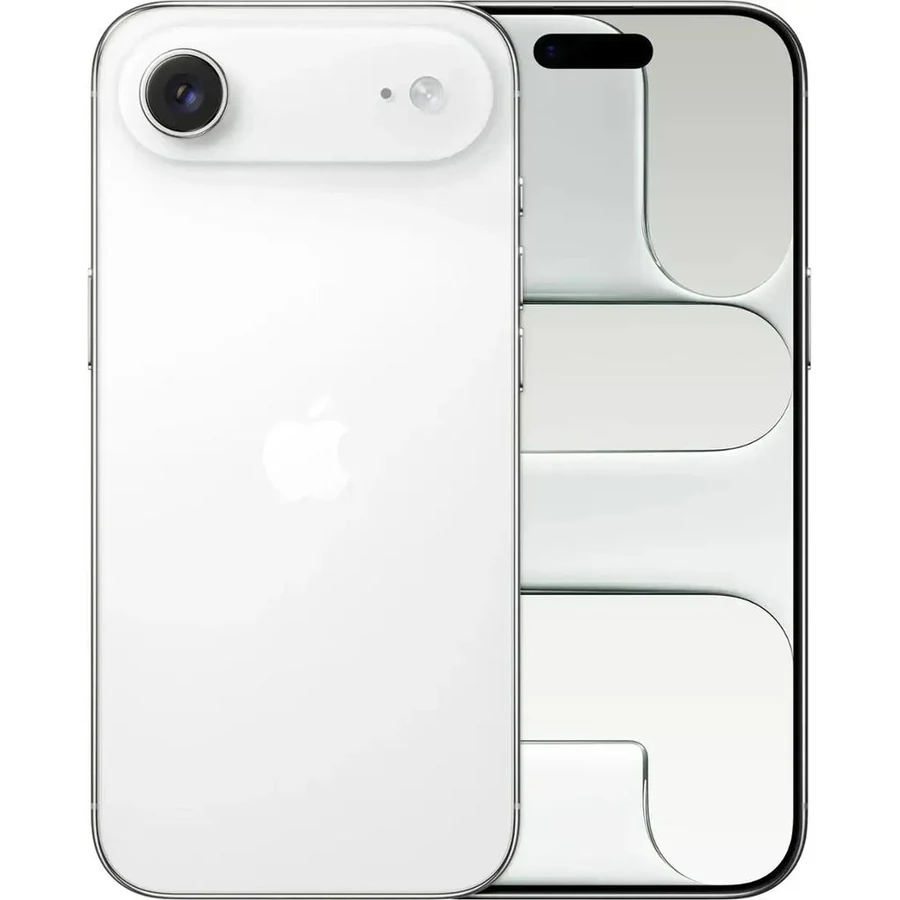
iPhone Air · E wātea ana ki ngā whatunga katoa
Mai i

Utu mō te mea kua whakahoungia:269 $

Utu mō te mea hou · 1099 $

Tirohia ngā kōwhiringa
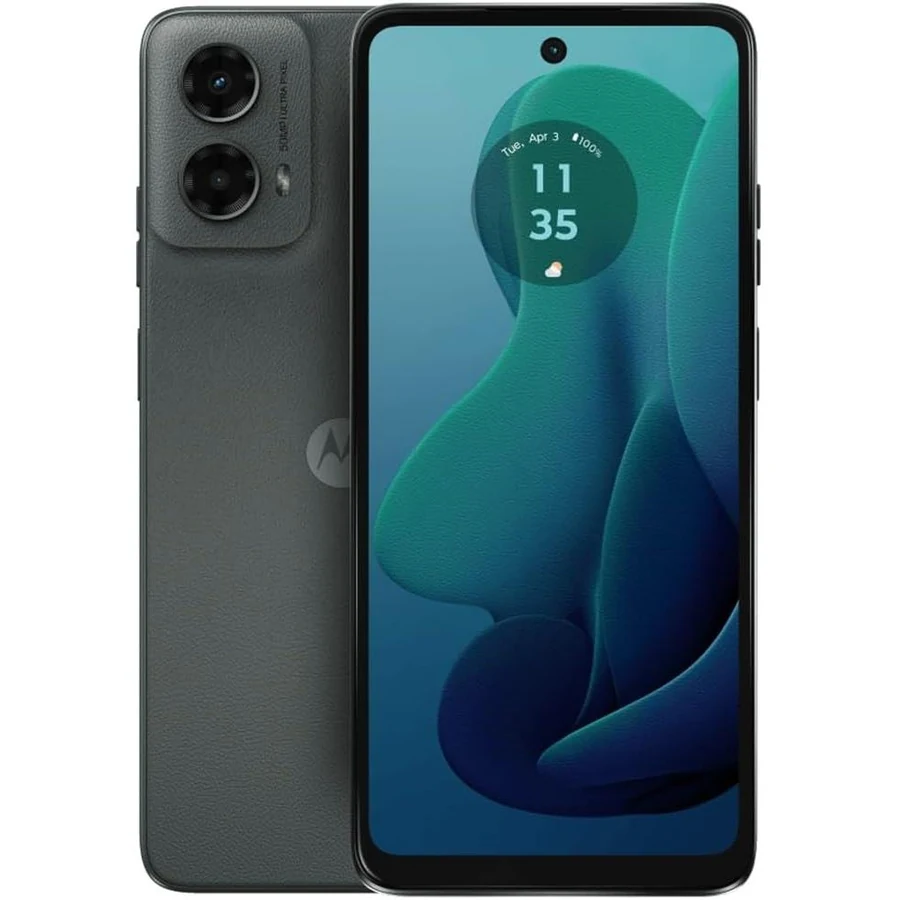
Motorola Moto G (2024) · E wātea ana ki ngā whatunga katoa
Mai i

Utu mō te mea kua whakahoungia:42 $

Utu mō te mea hou · 186.99 $

Tirohia ngā kōwhiringa

He tirohanga poto ki ngā rerekētanga

The Apple iPhone Air (2025) and the Motorola Moto G (2024) represent very different approaches to the modern unlocked smartphone, serving distinct user preferences in design philosophy and ecosystem integration. While the iPhone Air focuses on an ultra-slim titanium build running iOS, the Motorola Moto G prioritizes everyday utility and an expandable Android experience. These two devices diverge significantly in form factor, performance headroom, and software environment.

Ngā tauira e wātea ana

Tae

Storage (GB)

Ngā kaute

Te pakari

When evaluating hardware longevity and software support, both devices handle updates differently based on their respective release schedules and manufacturer frameworks.

  • Software longevity: The iPhone Air receives Apple's long-term operating system updates, ensuring extended feature support, whereas the Motorola Moto G provides standard Android security patches typical of its device class.
  • Build durability: The iPhone Air utilizes reinforced glass and a titanium frame with high-level water resistance, while the Motorola Moto G relies on a durable composite body designed for everyday handling.
  • Expected lifespan: Users can anticipate several years of reliable daily operation from both models, though software support timelines favor the Apple ecosystem for long-term retention.

Te tau i tukuna ai

2025

2024

Te pūnaha whakahaere hototahi hōu rawa

Āe

—

Pūnaha whakahaere

iOS

Android

Foldable

Kāo

Kāo

Te kaha mahi

Daily operation and multitasking capabilities differ noticeably due to the internal hardware configuration and memory allocations of each smartphone.

  • System responsiveness: The iPhone Air handles demanding multitasking and intensive applications smoothly without stutter, whereas the Motorola Moto G manages everyday tasks like web browsing and messaging reliably with standard processing capacity.
  • Rokiroki: The iPhone Air offers high-tier internal storage configurations without expansion slots, while the Motorola Moto G provides moderate onboard storage paired with a microSD card slot for expandable media storage.
  • Battery behavior: The Motorola Moto G features a high-capacity battery designed to easily clear a full day of mixed use, whereas the slim profile of the iPhone Air houses a smaller battery that accommodates moderate daily routines.

Te kounga o te mata

Display technologies vary significantly between the two models, directly impacting visual clarity, brightness, and media consumption outdoors.

  • Display technology: The iPhone Air features an advanced OLED screen with deep contrast levels and high peak outdoor brightness, while the Motorola Moto G utilizes an LCD panel with a fluid high refresh rate for smooth scrolling.
  • Resolution and sharpness: The iPhone Air provides a high-density resolution for crisp text rendering, whereas the Motorola Moto G uses an HD+ resolution suitable for standard video streaming and messaging.
  • Viewing experience: Both screens deliver clear visibility in standard lighting environments, though the iPhone Air yields richer color accuracy and superior performance under direct sunlight.

Taumira

2736x1260

720x1612

Te momo mata

Super Retina XDR

IPS LCD

Te ataata me te oro

Media capture and audio output capabilities cater to different multimedia preferences through distinct hardware implementations.

  • Camera systems: The iPhone Air employs a high-resolution primary camera setup backed by advanced computational photography, while the Motorola Moto G relies on a standard multi-lens configuration tailored for casual snapshots and social sharing.
  • Video and low-light performance: The iPhone Air captures detailed video footage and maintains clarity in dim environments, whereas the Motorola Moto G handles daytime video recording adequately for basic needs.
  • Audio output: Both devices deliver clear sound for hands-free calls and media playback, with stereo speaker configurations supporting everyday podcast and video listening.

Kāmera matua

48 megapixels

—

Kāmera o mua

18 megapixels

—

Ētahi atu āhuatanga

Practical physical and connectivity features shape the daily handling and versatility of each unlocked smartphone.

  • Connectivity standards: Both models support 5G cellular networks and standard Wi-Fi protocols, ensuring reliable internet access on the go.
  • Physical dimensions: The iPhone Air stands out for its exceptionally thin and lightweight profile, whereas the Motorola Moto G features a thicker, heavier chassis that some users find easier to grip securely.
  • Authentication and ports: The iPhone Air utilizes face recognition alongside a reversible data port, while the Motorola Moto G features traditional physical security options and includes a standard wired headphone jack.

Taumaha

Not available

7 oz

Te rahi o te mata (inihi)

6.5

6.6

Whatunga

5G

5G

Kāri SIM

eSIM

Physical SIM + eSIM

Carrier compatibility

E wātea ana ki ngā whatunga katoa

E wātea ana ki ngā whatunga katoa

Tūhono

USB-C

USB-C

Ngā whakaaro o te hapori

User feedback from online communities highlights distinct preferences for each device. Owners of the iPhone Air frequently praise its remarkably thin profile, premium material finish, and smooth display responsiveness, though some note that the slim battery capacity requires mindful management during heavy travel days. Conversely, users of the Motorola Moto G often emphasize its reliable daily battery endurance, expandable storage flexibility, and straightforward Android interface, while pointing out that processing speeds and screen resolution are best suited for basic communication tasks rather than intensive gaming.

Users prioritizing a lightweight form factor, high-resolution media consumption, and long-term software updates may prefer the iPhone Air, while individuals seeking a practical daily device with expandable storage and reliable battery life will find the Motorola Moto G well-suited to their needs. Exploring a quality-assured refurbished option provides an eco-friendly alternative for acquiring either model while supporting sustainable technology choices. Ultimately, the right choice depends on balancing hardware sophistication against daily functional requirements without unnecessary complexity.

Ā mātou whakataurite hou

WhatsApp