Compare models
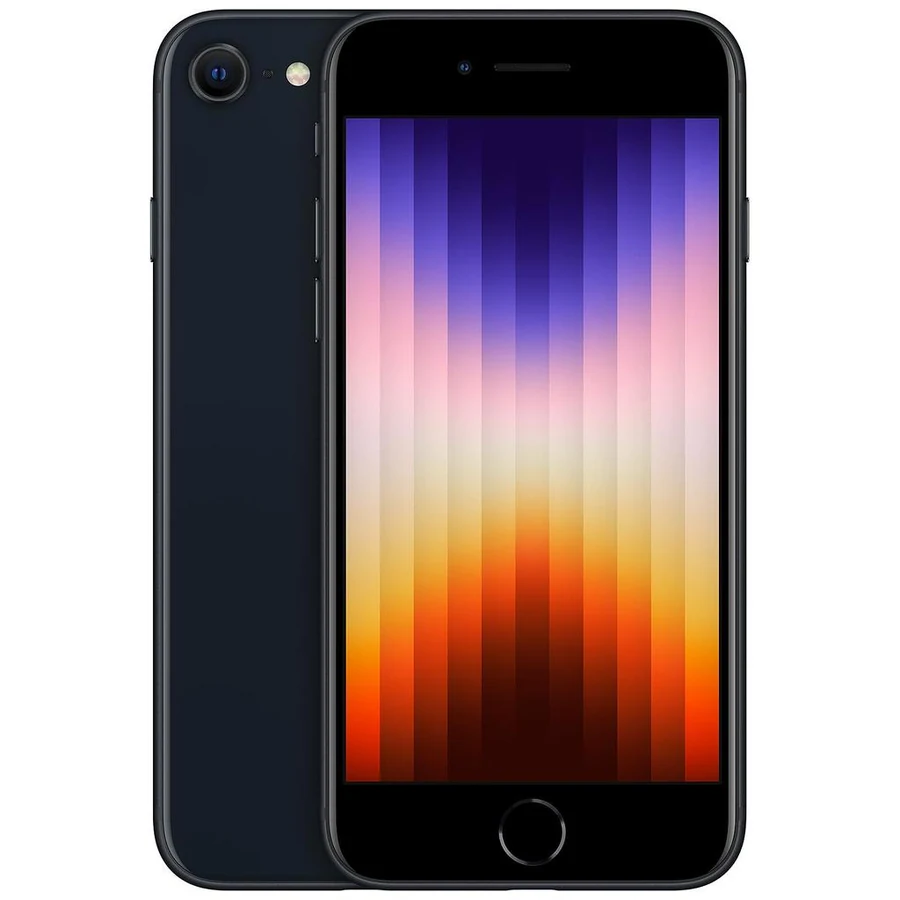
iPhone Air · Nesusietas su operatoriumi vs iPhone SE (2022) · Nesusietas su operatoriumi
- Vienų metų garantija
- Shipping rates shown at checkout
- Grąžinimas per 14 dienų (taikomos grąžinimo siuntimo sąlygos)
Trumpai apie skirtumus
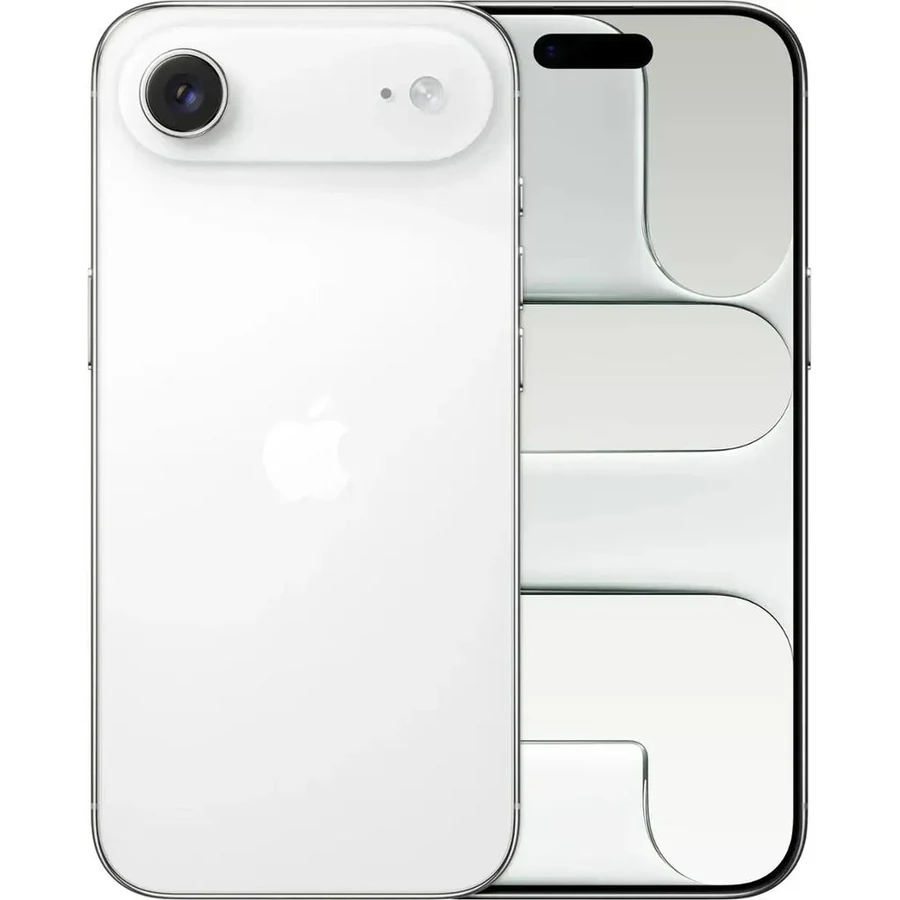
The iPhone Air (2025) and the iPhone SE (2022) represent two entirely different approaches to smartphone design within Apple's ecosystem, bridging a three-year gap in release timelines. While the iPhone Air features a modern, ultra-slim profile and an expanded screen area, the iPhone SE (2022) adheres to a compact, traditional form factor complete with physical navigation controls. These devices operate on different software generations, offering distinct user experiences tailored to contrasting preferences in handling and capability.
Galimi modeliai
Spalva
Storage (GB)
Įvertinimai
Patvarumas
When evaluating hardware longevity and software support, both models offer distinct timelines based on their respective release years and internal engineering.
- Software Support Span: The iPhone Air benefits from a significantly newer launch window, securing extended operating system updates and security patches compared to its older counterpart.
- Build and Repair Framework: The iPhone Air utilizes advanced titanium and reinforced glass construction, whereas the iPhone SE relies on a classic aluminum and glass chassis with established repair pathways.
- Expected Daily Lifespan: Users can expect many years of reliable daily operation from both devices, though the iPhone Air provides a longer window of future software compatibility. Choosing a quality-assured Atnaujintas option provides a sustainable choice that extends device lifecycles effectively.
Išleidimo metai
2025
2022
Naujausia suderinama operacinė sistema
Taip
Taip
Operacinė sistema
iOS
iOS
Foldable
Ne
Ne
Našumas
Processing capability and multitasking efficiency differ substantially between these two generations, impacting how demanding applications and daily tasks are handled.
- Storage Configurations: The iPhone Air starts with larger baseline capacities suited for extensive media libraries, while the iPhone SE offers more modest storage tiers geared toward lighter usage.
- System Responsiveness: The iPhone Air handles intensive multitasking, modern gaming, and complex background operations smoothly, whereas the iPhone SE manages everyday apps and routine tasks adequately with its streamlined configuration.
- Battery Behavior: The iPhone Air features an optimized power profile designed to last through full days of mixed usage, while the iPhone SE's smaller internal battery capacity requires more frequent recharging during heavy daily routines.
Ekrano kokybė
Visual output and display interactivity vary drastically, offering users a choice between expansive modern viewing technology and a traditional compact screen.
- Display Technology: The iPhone Air features an expansive OLED panel with deep contrast and vibrant color reproduction, while the iPhone SE employs a smaller traditional LCD screen with standard contrast levels.
- Brightness and Outdoor Clarity: The iPhone Air reaches high peak brightness levels for comfortable visibility in direct sunlight, whereas the iPhone SE provides moderate brightness suited for indoor environments and shaded outdoor use.
- Motion Smoothness: The iPhone Air supports high refresh rate technology for fluid scrolling and animations, while the iPhone SE utilizes a standard fixed refresh rate for routine interactions.
Raiška
2736x1260
750 x 1334
Ekrano tipas
Super Retina XDR
Retina IPS LCD
Vaizdas ir garsas
Multimedia capture and audio playback capabilities reflect the hardware evolution across these device generations.
- Camera System Versatility: The iPhone Air incorporates a high-resolution main sensor capable of capturing detailed imagery and versatile low-light photos, whereas the iPhone SE relies on a single traditional sensor for straightforward point-and-shoot photography.
- Video Recording Quality: The iPhone Air records stable, high-definition video with advanced stabilization features, while the iPhone SE handles standard video recording needs adequately.
- Media Consumption Output: The iPhone Air delivers immersive sound output for streaming and calls, whereas the iPhone SE provides clear audio through its traditional speaker setup.
Pagrindinė kamera
48 megapixels
12 megapixels
Priekinė kamera
18 megapixels
7 megapixels
Kitos savybės
Practical physical characteristics and connectivity standards shape the everyday handling and ecosystem integration of each smartphone.
- Port and Connectivity Standards: The iPhone Air adopts the universal USB-C standard alongside modern wireless connectivity protocols, while the iPhone SE utilizes a traditional Lightning port and older wireless generations.
- Security and Authentication: The iPhone Air uses advanced facial recognition sensors for secure unlocking, whereas the iPhone SE retains a physical fingerprint scanner embedded in the home button.
- Handling and Dimensions: The iPhone Air offers a remarkably thin and lightweight chassis that distributes weight evenly, while the iPhone SE provides a pocket-friendly, highly compact form factor that is easy to operate with one hand.
Svoris
Not available
5.08 oz (144 g)
Ekrano dydis (coliais)
6.5
4.7
Tinklas
5G
5G
SIM kortelė
eSIM
Physical SIM + eSIM
Carrier compatibility
Nesusietas su operatoriumi
Jungtis
USB-C
Lightning
Bendruomenės nuomonė
User discussions across community platforms highlight distinct preferences for each device. Owners of the iPhone Air frequently praise its exceptionally thin profile, vibrant display, and modern connectivity, though some note that its slim physical architecture requires careful handling. Conversely, users of the iPhone SE (2022) often appreciate its familiar physical button, compact dimensions, and straightforward operation, while noting that the smaller battery and older screen technology require compromises during extended media sessions.
Users prioritizing a modern viewing experience, extended software support, and advanced multitasking will find the iPhone Air well-suited to their needs. Meanwhile, users who prefer a traditional compact footprint, physical navigation controls, and a simpler device experience may lean toward the iPhone SE (2022). Exploring a quality-assured refurbished option provides an eco-friendly alternative for acquiring either model while supporting sustainable technology consumption.