Compare models

iPhone Air · E wātea ana ki ngā whatunga katoa vs iPhone SE (2022) · E wātea ana ki ngā whatunga katoa

  • Pūtāhui kotahi tau
  • Shipping rates shown at checkout
  • Ka taea te whakahoki i roto i ngā rā 14 (ka pā ngā tikanga tuku whakahoki)
iPhone Air · E wātea ana ki ngā whatunga katoa
Mai i

Utu mō te mea kua whakahoungia:USD 269 $

Utu mō te mea hou · USD 1099 $

Tirohia ngā kōwhiringa
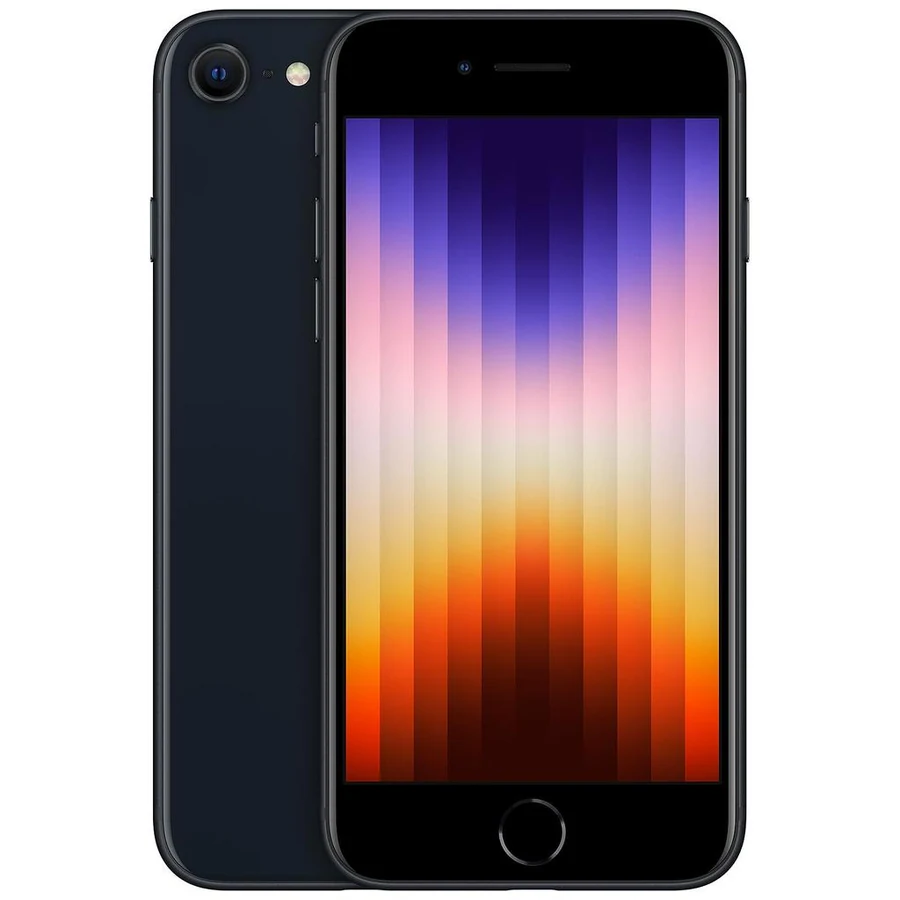
iPhone SE (2022) · E wātea ana ki ngā whatunga katoa
Mai i

Utu mō te mea kua whakahoungia:USD 45 $

Utu mō te mea hou · USD 429 $

Tirohia ngā kōwhiringa

He tirohanga poto ki ngā rerekētanga

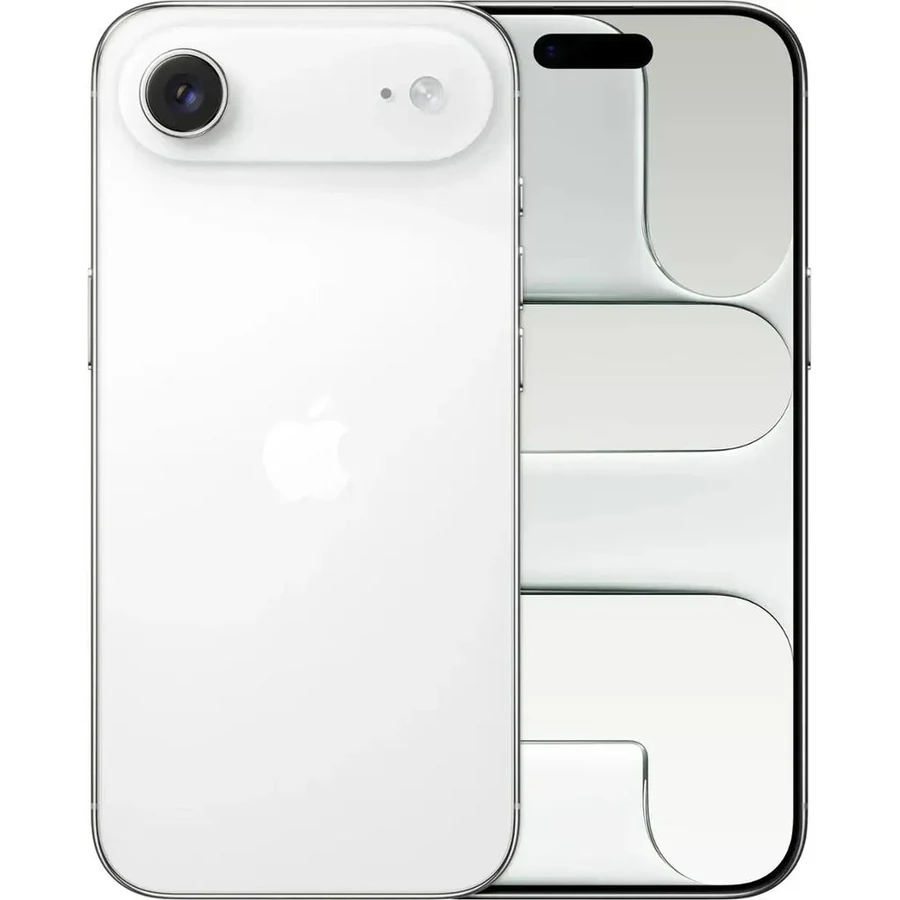
The iPhone Air (2025) and the iPhone SE (2022) represent two contrasting approaches to smartphone design within Apple's ecosystem. The iPhone Air is a modern device featuring a remarkably thin profile and expansive display, while the iPhone SE (2022) utilizes a traditional compact form factor with a physical home button. These models differ significantly in release year, interface design, and internal capabilities, catering to distinct user preferences for daily mobile technology.

Ngā tauira e wātea ana

Tae

Storage (GB)

Ngā kaute

Te pakari

When evaluating hardware longevity and software support, these two devices sit at very different points in their product lifecycles, influencing how long they will remain viable daily drivers.

  • Release timeline and software support: The iPhone Air launched several years after the iPhone SE (2022), granting it a substantially longer expected window for operating system updates and security patches.
  • Repairability and build durability: Both models utilize durable glass and metal construction, though the newer iPhone Air incorporates updated reinforcement materials designed to protect its ultra-slim chassis against everyday wear.
  • Practical lifespan: Users seeking maximum longevity through future software releases will find the newer hardware architecture of the iPhone Air better suited to remain current over time. Choosing a quality-assured Kua whakahoungia option provides a sustainable choice that extends the active life of these electronics.

Te tau i tukuna ai

2025

2022

Te pūnaha whakahaere hototahi hōu rawa

Āe

Āe

Pūnaha whakahaere

iOS

iOS

Foldable

Kāo

Kāo

Te kaha mahi

Day-to-day operation, multitasking efficiency, and energy management vary considerably between the two models due to generational hardware advancements.

  • Multitasking and system responsiveness: The iPhone Air handles demanding apps, heavy multitasking, and modern games with high fluidity, whereas the iPhone SE (2022) manages everyday tasks like messaging and web browsing reliably with more modest memory resources.
  • Battery behavior: The iPhone Air offers a larger physical footprint that accommodates a battery capable of lasting through a full day of mixed use, while the compact iPhone SE (2022) has a smaller battery capacity that typically requires more frequent charging during heavy use.
  • Storage configurations: The iPhone Air starts with higher baseline storage capacities suitable for large media libraries, whereas the iPhone SE (2022) offers more traditional entry-level storage tiers.

Te kounga o te mata

Visual output and screen dimensions present one of the most prominent physical differences between the two smartphones.

  • Display technology: The iPhone Air features an expansive OLED display with deep blacks and vibrant colors, whereas the iPhone SE (2022) uses a smaller LCD panel with standard contrast ratios.
  • Smoothness and motion: The iPhone Air supports high refresh rate technology for fluid scrolling and animations, while the iPhone SE (2022) adheres to a standard refresh rate.
  • Outdoor visibility: High peak brightness levels on the iPhone Air ensure content remains legible under direct sunlight, whereas the iPhone SE (2022) screen is optimized for indoor viewing and moderate outdoor conditions.

Taumira

2736x1260

750 x 1334

Te momo mata

Super Retina XDR

Retina IPS LCD

Te ataata me te oro

Media capture and audio-visual playback capabilities reflect the generational gap in sensor technology and internal processing power.

  • Photography performance: The iPhone Air utilizes a high-resolution single main camera system paired with advanced computational photography for sharp detail in various lighting conditions, while the iPhone SE (2022) relies on a traditional single-lens setup for straightforward snapshots.
  • Video recording: The iPhone Air provides advanced video stabilization and cinematic features supported by recent processing capabilities, whereas the iPhone SE (2022) records clear high-definition video suitable for casual sharing.
  • Media consumption: The larger screen and modern speaker architecture of the iPhone Air deliver a more immersive environment for watching videos, whereas the iPhone SE (2022) provides standard audio output suited for podcasts and calls.

Kāmera matua

48 megapixels

12 megapixels

Kāmera o mua

18 megapixels

7 megapixels

Ētahi atu āhuatanga

Physical handling, connectivity standards, and daily usability features define the practical experience of carrying and interacting with each phone.

  • Handling and dimensions: The iPhone Air features a wide, exceptionally thin profile that distributes weight evenly across a large frame, whereas the iPhone SE (2022) offers a lightweight, highly compact body that fits easily into smaller pockets and allows for effortless one-handed use.
  • Authentication methods: The iPhone Air utilizes facial recognition for secure unlocking, while the iPhone SE (2022) retains the traditional physical home button with an integrated fingerprint sensor.
  • Connectivity and ports: Both devices support modern mobile networks, though the iPhone Air adopts a universal reversible charging port standard alongside contemporary wireless communication protocols.

Taumaha

Not available

5.08 oz (144 g)

Te rahi o te mata (inihi)

6.5

4.7

Whatunga

5G

5G

Kāri SIM

eSIM

Physical SIM + eSIM

Carrier compatibility

E wātea ana ki ngā whatunga katoa

E wātea ana ki ngā whatunga katoa

Tūhono

USB-C

Lightning

Ngā whakaaro o te hapori

Community discussions and user feedback indicate that consumer preference is heavily split based on physical form factor preferences. Users transitioning from older compact phones frequently praise the iPhone SE (2022) for its familiar home button, lightweight build, and straightforward operation. Conversely, users transitioning to the iPhone Air highlight appreciation for its expansive display, modern aesthetic, and fluid interface performance. Common criticisms of the smaller model focus on its limited battery life and dated screen proportions, while discussions surrounding the larger model occasionally note its wide footprint in the hand.

When deciding between these options, users prioritizing screen estate, modern media consumption, and extended software lifespans may prefer the iPhone Air. Meanwhile, users prioritizing a compact physical footprint, a familiar biometric sensor, and simple everyday communication tools will lean toward the iPhone SE (2022). Exploring a quality-assured refurbished option provides an eco-friendly alternative for acquiring either device while supporting sustainable consumption practices. Ultimately, the choice depends entirely on whether a lightweight expansive layout or a traditional pocket-sized design aligns better with daily routines.


Ā mātou whakataurite hou

WhatsApp