Compare models
iPhone Air · Ouni SIM-Spär vs iPhone SE (2022) · Ouni SIM-Spär
- 1 Joer Garantie
- Shipping rates shown at checkout
- Retour bannent 14 Deeg (d’Konditioune fir de Réckversand gëllen)
D’Ënnerscheeder op ee Bléck
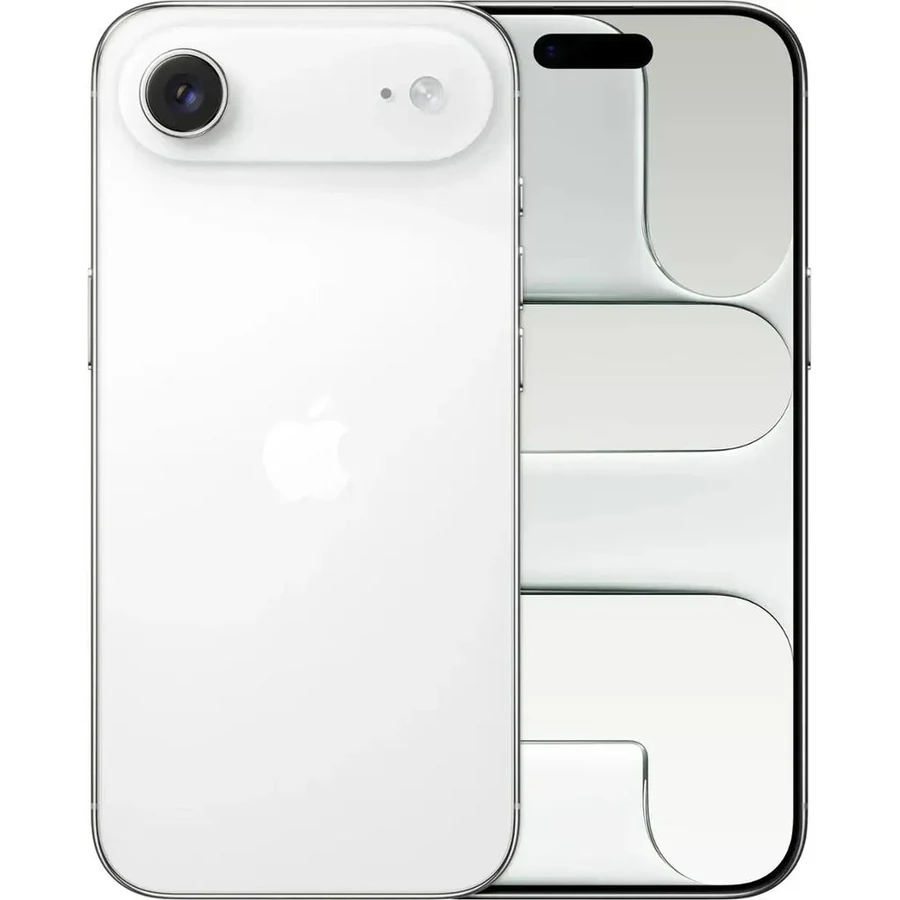
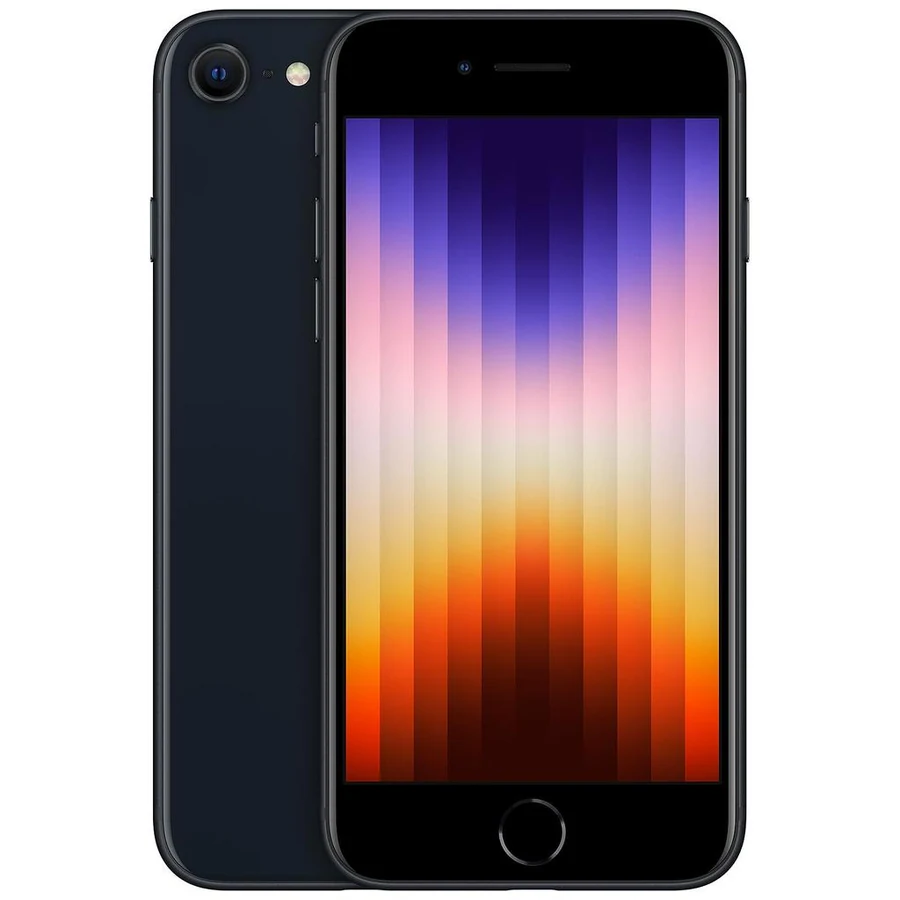
The iPhone Air (2025) and the iPhone SE (2022) represent entirely different approaches to smartphone design within Apple's ecosystem. While the iPhone Air offers a modern, ultra-slim profile with a large display and advanced capabilities, the iPhone SE (2022) provides a compact, traditional form factor featuring a physical home button. Both devices run on iOS, but they differ significantly in their release timeline, physical build, and everyday feature sets, catering to distinct user preferences.
Verfügbar Modeller
Faarf
Storage (GB)
Bewäertungen
Haltbarkeet
When evaluating longevity and durability, these two devices sit at very different points in their product lifecycles, influencing software support windows and hardware endurance.
- Release timeline and software support: The iPhone Air launched more recently, ensuring a substantially longer window of future operating system updates and security patches compared to the older iPhone SE (2022).
- Build materials and protection: The iPhone Air utilizes advanced front glass protection and a titanium frame designed to withstand daily wear, while the iPhone SE (2022) relies on standard durable glass paired with an aluminum frame and an IP67 water resistance rating.
- Expected practical lifespan: Due to its newer hardware generation and extended software support horizon, the iPhone Air is positioned for a longer operational lifespan in daily use.
Erscheinungsjoer
2025
2022
Leschte kompatibele Betribssystem
Jo
Jo
Betribssystem
iOS
iOS
Foldable
Nee
Nee
Leeschtung
Underneath the exterior, these smartphones handle everyday tasks, multitasking, and power management through contrasting hardware configurations.
- Processor capabilities and responsiveness: The iPhone Air handles demanding apps, graphic-intensive tasks, and rapid app switching effortlessly thanks to its current-generation processor, whereas the iPhone SE (2022) manages everyday messaging, browsing, and standard applications reliably with its older processor architecture.
- Memory and multitasking: Equipped with a larger pool of RAM, the iPhone Air maintains active background apps smoothly without reloading, while the iPhone SE (2022) handles basic multitasking adequately for standard daily workflows.
- Battery behavior: The iPhone SE (2022)'s smaller battery capacity requires more frequent charging during heavy usage days, while the iPhone Air balances its slim profile with optimized power efficiency to get through typical daily use.
Bildschiermqualitéit
The viewing experience differs drastically between the two models, defined by distinct screen sizes, panel technologies, and visual fluidity.
- Display technology and clarity: The iPhone Air features an expansive OLED display delivering deep blacks, vibrant colors, and sharp text rendering, whereas the iPhone SE (2022) uses a smaller traditional LCD panel with standard definition.
- Brightness and outdoor visibility: High peak brightness levels on the iPhone Air ensure clear visibility under direct sunlight, while the iPhone SE (2022) offers adequate indoor brightness that requires shade during bright outdoor conditions.
- Refresh rate and smoothness: Motion and scrolling appear noticeably fluid on the iPhone Air due to a high refresh rate display, compared to the standard refresh rate on the iPhone SE (2022).
Opléisung
2736x1260
750 x 1334
Bildschiermtyp
Super Retina XDR
Retina IPS LCD
Bild an Toun
Media capture and audio output capabilities vary considerably, reflecting the generational gap and design priorities of each device.
- Camera versatility: The iPhone Air employs a high-resolution single main camera system supported by advanced computational photography for detailed everyday and low-light shots, while the iPhone SE (2022) features a simpler single 12-megapixel rear sensor.
- Video recording: Video capture on the iPhone Air benefits from advanced stabilization and spatial audio tools, whereas the iPhone SE (2022) records standard high-definition video suitable for casual clips.
- Audio and media consumption: Built-in speaker output on the iPhone Air provides immersive sound for media playback, while the iPhone SE (2022) offers standard mono or basic stereo sound through its earpiece configuration.
Haaptkamera
48 megapixels
12 megapixels
Frontkamera
18 megapixels
7 megapixels
Aner Eegenschaften
Practical daily features, connectivity standards, and physical handling characteristics set the user experience apart in day-to-day scenarios.
- Biometric security: The iPhone Air uses advanced facial recognition for secure unlocking, whereas the iPhone SE (2022) retains the traditional Touch ID fingerprint sensor embedded in the physical home button.
- Connectivity and ports: The iPhone Air adopts the universal USB-C standard alongside modern wireless networking standards, while the iPhone SE (2022) relies on a Lightning connector and standard 5G connectivity options, supplied as a carrier-locked model tied to AT&T.
- Physical dimensions and handling: Weighing very little and featuring an ultra-thin profile, the iPhone Air distributes its larger screen across a slim body, whereas the iPhone SE (2022) offers a lightweight, highly compact shell that fits easily into smaller pockets.
Gewiicht
Not available
5.08 oz (144 g)
Bildschiermgréisst (Zoll)
6.5
4.7
Netzwierk
5G
5G
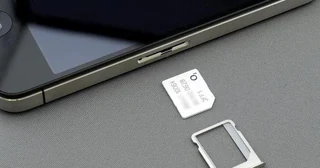
SIM-Kaart
eSIM
Physical SIM + eSIM
Carrier compatibility
Ouni SIM-Spär
Ouni SIM-Spär
Uschloss
USB-C
Lightning
Wat d’Communautéit mengt
User feedback from online communities highlights distinct preferences for each of these devices. Owners of the iPhone Air frequently praise its remarkably thin, lightweight titanium build, expansive high-refresh-rate display, and modern USB-C connectivity. Conversely, users of the iPhone SE (2022) often appreciate its familiar physical home button, pocket-friendly compact footprint, and straightforward simplicity for basic communication tasks. At the same time, some users note that the older SE model has more limited battery stamina and lacks modern display smoothness.
Choosing between the two devices depends heavily on individual usage habits. Users prioritizing a large, vibrant viewing space, modern multitasking capability, and extended software longevity will find the iPhone Air well-suited to their needs. On the other hand, users who prefer a traditional compact form factor, physical navigation buttons, and a simpler device for calls and messaging may lean toward the iPhone SE (2022) as a quality-assured refurbished option for sustainable technology choices. Ultimately, evaluating how physical size and software longevity align with daily routines will guide the right decision.