
Compare models
iPhone 17e · Débloqué vs iPhone Air · Débloqué
- Garantie d’un an
- Shipping rates shown at checkout
- Retours sous 14 jours (conditions de renvoi applicables)
Les différences en un coup d’œil
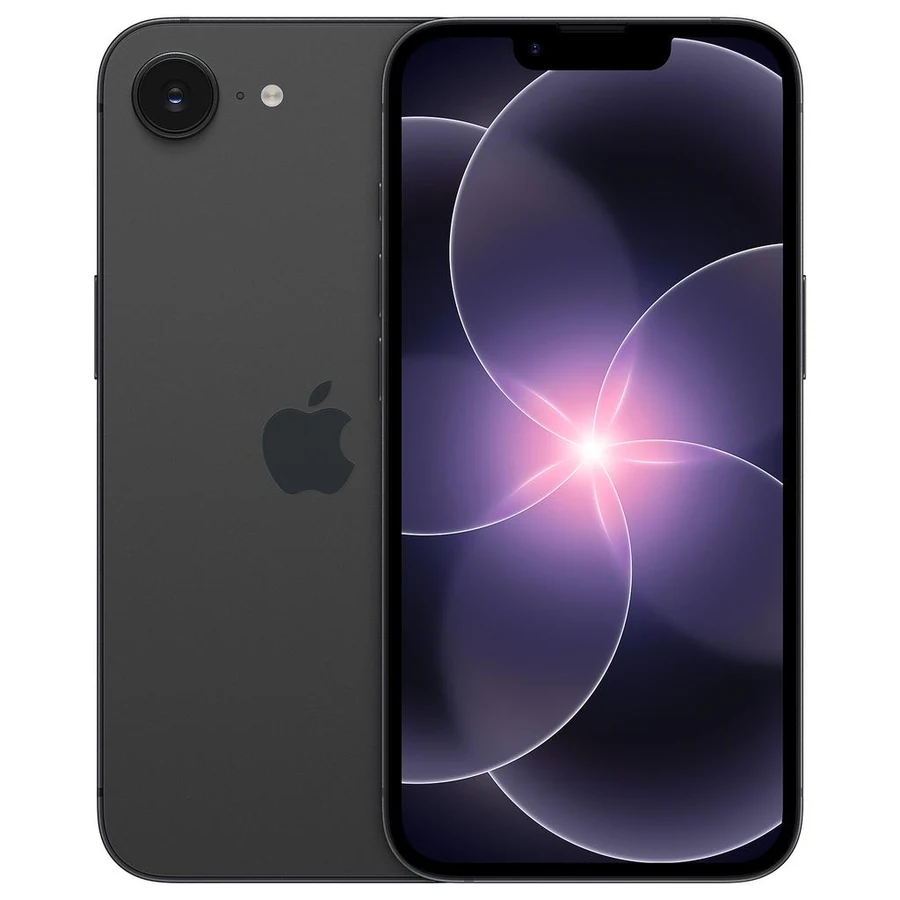
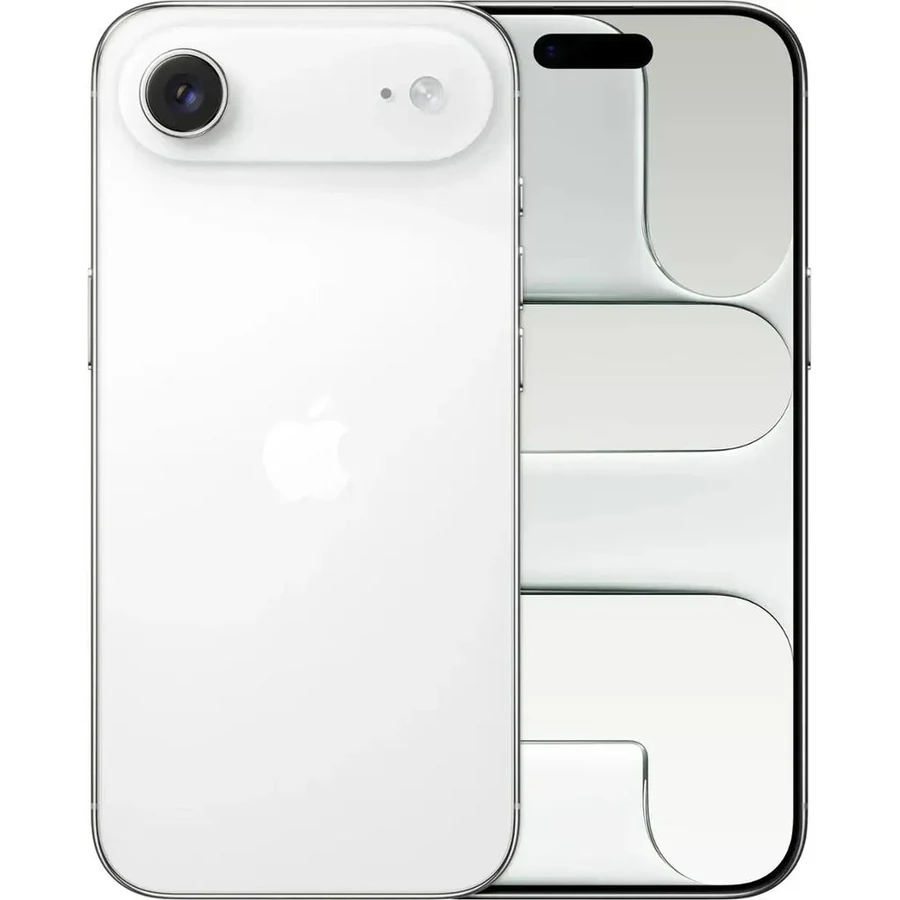
The iPhone 17e (2026) and the iPhone Air (2025) represent distinct approaches to modern smartphone design within Apple's ecosystem. While the iPhone 17e focuses on providing a classic form factor with updated internal capabilities, the iPhone Air prioritizes a breakthrough ultra-thin chassis and an expanded viewing area. Both devices run on iOS and support current software features, but their physical builds and core hardware configurations cater to very different daily preferences.
Modèles disponibles
Couleur
Storage (GB)
Notes
Durabilité
Both smartphones provide strong long-term usability backed by extended operating system support, though their hardware timelines differ by several months.
- Software Support: Both models receive multi-year operating system upgrades and security patches, ensuring equal longevity for app compatibility.
- Build Durability: The iPhone 17e features reinforced front glass protection, whereas the iPhone Air utilizes a rigid titanium frame paired with a thin profile structure.
- Repairability: Both devices follow modern construction standards with standard module placement, offering similar repair pathways through certified service channels.
Année de sortie
2026
2025
Système d’exploitation
iOS
iOS
Foldable
Non
Non
Performances
Underneath their exteriors, these devices handle demanding software tasks, multitasking, and daily applications efficiently while utilizing different internal hardware tiers.
- Multitasking and Speed: Both models switch between heavy applications seamlessly, though the iPhone Air includes a higher amount of memory dedicated to intensive background tasks.
- Battery Behavior: The iPhone 17e incorporates a larger physical power cell suited for prolonged daily usage, whereas the ultra-thin design of the iPhone Air requires more frequent recharging during heavy workloads.
- Storage Configurations: Both devices start with generous baseline storage capacities, eliminating frequent warnings about full memory during routine photo and video capture.
Qualité de l’écran
Visual output differs primarily in physical dimensions and panel refresh rates, affecting how media consumption and scrolling look in daily use.
- Display Technology: Both models utilize vibrant OLED panels with deep contrast levels and sharp text rendering, though the iPhone Air offers a larger 6.5-inch viewing canvas compared to the 6.1-inch screen on the iPhone 17e.
- Motion Smoothness: The iPhone Air features a high refresh rate display for fluid scrolling and animations, while the iPhone 17e uses a standard refresh rate.
- Outdoor Visibility: Both screens reach high peak brightness levels, ensuring readability under direct sunlight.
Résolution
2532 x 1170
2736x1260
Image et son
Imaging capabilities across both models deliver crisp detail for everyday memories and video recording, tailored to different physical camera layouts.
- Photography Performance: Both devices feature a primary 48-megapixel main camera sensor capable of capturing detailed daylight shots and clean low-light imagery.
- Video Recording: High-resolution video capture with advanced stabilization and spatial audio recording is supported on both smartphones.
- Audio and Media Output: The iPhone 17e provides traditional stereo audio playback, while the iPhone Air balances its ultra-thin speaker layout for calls and casual media viewing.
Appareil photo principal
48 megapixels
48 megapixels
Caméra avant
12 megapixels
18 megapixels
Autres caractéristiques
Physical handling characteristics and connectivity standards highlight the structural divergence between these two design philosophies.
- Dimensions and Weight: The iPhone Air measures exceptionally thin at 5.6 mm and weighs slightly less, whereas the iPhone 17e offers a traditional profile with standard thickness.
- Biometrics and Ports: Both models rely on face recognition security and utilize standard USB connectivity standards for charging and data transfer.
- Wireless Standards: Both phones include modern cellular connectivity, with the iPhone Air supporting slightly advanced local wireless networking generations.
Poids
Not available
Not available
Diagonale de l’écran (pouces)
6.1
6.5
Réseau
5G
5G
Carte SIM
eSIM
eSIM
Carrier compatibility
Débloqué
Débloqué
Connecteur
USB-C (USB 2)
USB-C
L’avis de la communauté
Choosing between these two smartphones depends heavily on physical preferences and daily usage priorities. Users prioritizing a featherlight, ultra-slim profile and a larger high-refresh-rate display will find the iPhone Air well-suited to their expectations. Conversely, users favoring a traditional grip, extended battery endurance, and a compact footprint often lean toward the iPhone 17e.
For those exploring sustainable purchasing routes, choosing a quality-assured refurbished option through platforms like RefurbLane offers an eco-friendly alternative that extends device lifecycles without compromising on modern performance standards. Reviewing individual workflow habits remains the most effective way to determine which model aligns with daily needs.