
Compare models
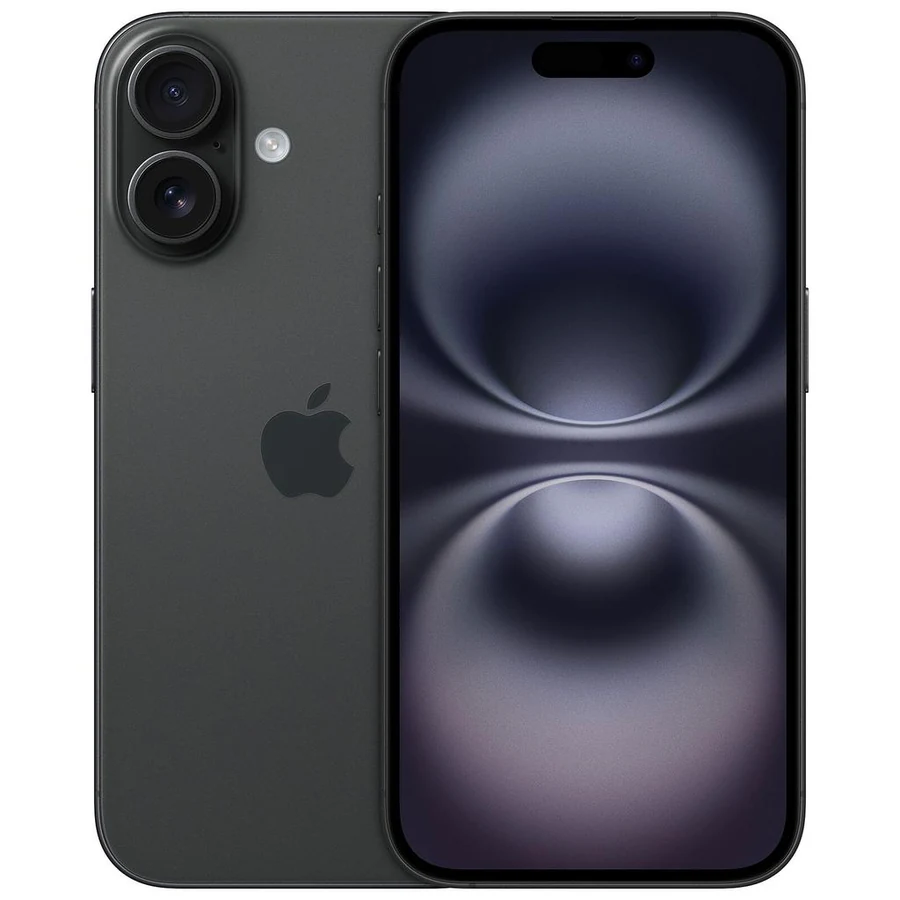
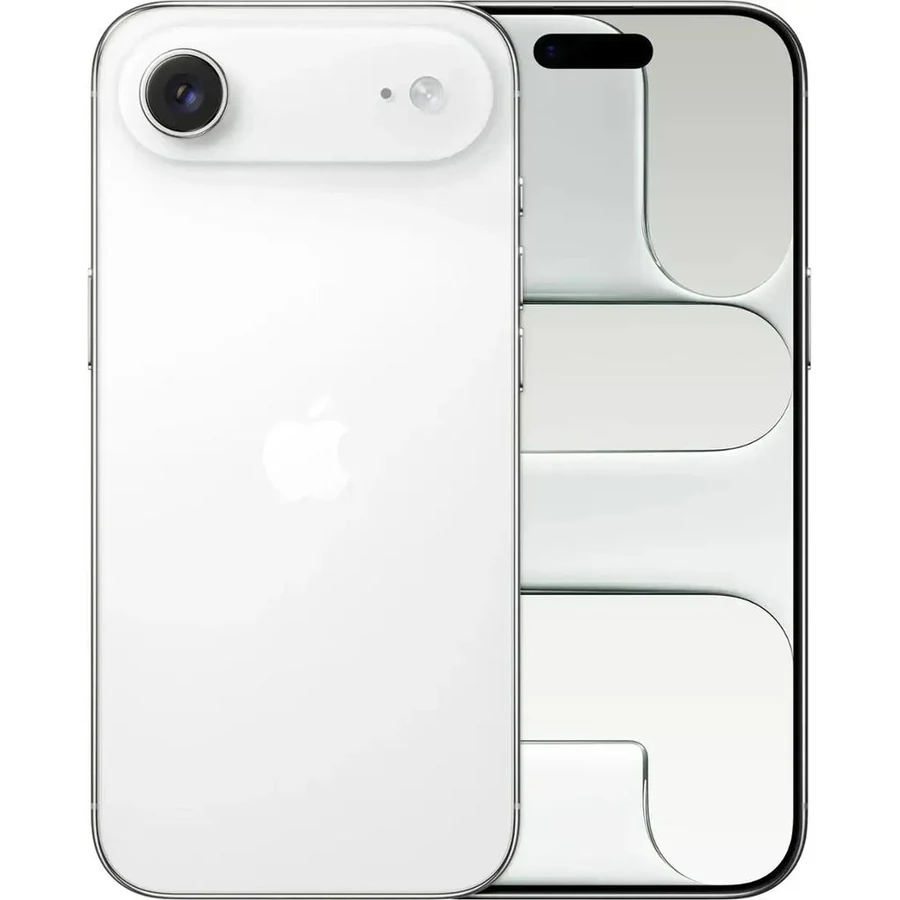
iPhone 16 · Χωρίς κλείδωμα παρόχου vs iPhone Air · Χωρίς κλείδωμα παρόχου
- Εγγύηση ενός έτους
- Shipping rates shown at checkout
- Επιστροφές εντός 14 ημερών (ισχύουν οι όροι αποστολής επιστροφών)
Οι διαφορές με μια ματιά
The iPhone 16 (2024) and the iPhone Air (2025) represent two distinct approaches to modern smartphone design, balancing everyday usability with advanced mobile technology. While the iPhone 16 offers a compact, traditional form factor with versatile dual cameras, the iPhone Air introduces an ultra-thin profile and an expansive display tailored for media consumption. Both devices run on iOS and support contemporary software ecosystems, yet they target different user priorities through contrasting hardware configurations.
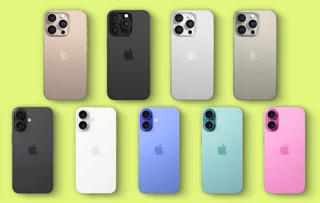
Διαθέσιμα μοντέλα
Χρώμα
Storage (GB)
Βαθμολογίες
Αντοχή
When evaluating longevity, both smartphones benefit from multi-year software lifecycles and sturdy construction materials designed to withstand daily wear.
- Software Support Timeline: Both models receive regular operating system upgrades, though the newer iPhone Air extends overall update support by an additional year due to its subsequent release date.
- Build Durability: The iPhone 16 uses an aluminum frame and glass back with standard water resistance, while the iPhone Air features a rigid titanium chassis and advanced scratch-resistant screen protection.
- Repairability and Lifespan: Both devices feature modular internal components that support standard servicing, ensuring reliable long-term performance for daily communication and apps.
Έτος κυκλοφορίας
2024
2025
Νεότερο συμβατό λειτουργικό σύστημα
Ναι
Ναι
Foldable
Όχι
Όχι
Επιδόσεις
System responsiveness and everyday operation differ based on internal hardware layouts and memory capacity.
- Multitasking and Speed: Both models handle intensive applications, web browsing, and graphics-heavy games smoothly, though the iPhone Air includes higher RAM capacity to support advanced processing tasks.
- Battery Behavior: The iPhone 16 delivers solid all-day usage for standard tasks, whereas the ultra-thin profile of the iPhone Air houses a smaller internal battery capacity that requires more frequent charging under heavy workloads.
- Storage Configurations: Both devices offer ample storage tiers starting at baseline capacities suitable for large photo libraries, offline media, and downloaded applications.
Ποιότητα οθόνης
Display characteristics vary significantly in physical size, viewing space, and visual fluidity.
- Display Technology: Both models utilize vibrant OLED panels with deep contrast levels and high peak outdoor brightness, ensuring clear visibility in direct sunlight.
- Refresh Rate and Fluidity: The iPhone Air includes an adaptive high refresh rate reaching up to 120Hz for smoother scrolling and animations, while the iPhone 16 utilizes a standard 60Hz refresh rate.
- Screen Real Estate: The iPhone 16 features a compact 6.1-inch display designed for comfortable single-handed use, compared to the larger 6.5-inch viewing area on the iPhone Air.
Ανάλυση
1179 x 2556
2736x1260
Τύπος οθόνης
Super Retina XDR OLED
Super Retina XDR
Εικόνα και ήχος
Imaging capabilities and multimedia output reflect the physical design constraints of each device.
- Camera Systems: The iPhone 16 features a flexible dual-lens setup combining a main wide sensor and an ultra-wide lens, whereas the iPhone Air streamlines photography into a single high-resolution main camera.
- Video and Low-Light Recording: Both phones capture sharp detail in everyday lighting conditions and offer robust stabilization, though the dual-lens system on the iPhone 16 provides wider framing options.
- Audio Output: The iPhone 16 includes stereo speakers for balanced media playback, while the space-saving architecture of the iPhone Air relies on a mono speaker setup.
Κύρια κάμερα
48 megapixels
48 megapixels
Μπροστινή κάμερα
12 megapixels
18 megapixels
Άλλα χαρακτηριστικά
Physical dimensions and connectivity options dictate how each smartphone feels and integrates into daily routines.
- Dimensions and Weight: The iPhone 16 measures 7.8 mm in thickness and weighs 170 grams, whereas the iPhone Air prioritizes extreme portability with a 5.6 mm profile and a lighter 165-gram titanium build.
- Ports and Connectivity: Both models utilize standard USB-C connectors for charging and data transfer alongside modern wireless standards, though the iPhone Air features updated internal networking chips.
- Biometrics and Controls: Both options incorporate secure facial recognition technology and physical shortcut buttons for quick access to camera features and utility tools.
Βάρος
6.00 oz (170 g)
Not available
Μέγεθος οθόνης (ίντσες)
6.1
6.5
Δίκτυο
5G
5G
Κάρτα SIM
eSIM
eSIM
Carrier compatibility
Χωρίς κλείδωμα παρόχου
Σύνδεσμος
USB-C (USB 2)
USB-C
Η γνώμη της κοινότητας
Users evaluating these models often note that the iPhone 16 excels in practical durability, balanced multi-lens photography, and reliable battery endurance. Conversely, many highlight the iPhone Air for its striking thinness, expansive high-refresh-rate screen, and lightweight feel, though some users miss having an ultra-wide camera lens or stereo speakers.
Users prioritizing a compact device with versatile camera options and dependable daily battery life may prefer the iPhone 16. Meanwhile, users prioritizing a large, fluid display and an ultra-slim, lightweight profile will find the iPhone Air well-suited to their needs. Exploring a quality-assured refurbished option provides an eco-friendly alternative for acquiring either device while reducing electronic waste. Ultimately, the choice depends on whether physical slimness and screen size outweigh the benefits of a multi-lens camera and longer battery endurance.