Compare models

iPhone 16 · Débloqué vs iPhone 17 · Débloqué

  • Garantie d’un an
  • Shipping rates shown at checkout
  • Retours sous 14 jours (conditions de renvoi applicables)
iPhone 16 · Débloqué
À partir de

Prix reconditionné:USD 189 $

Prix neuf · USD 729 $

Voir les options
iPhone 17 · Débloqué
À partir de

Prix reconditionné:USD 249 $

Prix neuf · USD 929 $

Voir les options

Les différences en un coup d’œil

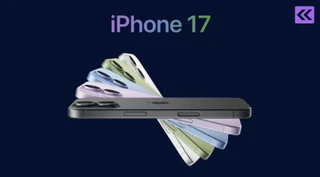
The iPhone 16 (2024) and the iPhone 17 (2025) represent successive generations of Apple's standard smartphone line. While both models share a similar core philosophy, the iPhone 17 introduces a larger display footprint, an upgraded refresh rate, and refined internal hardware. Both devices run on iOS and support Apple’s suite of intelligent software features. This comparison breaks down their practical differences to help you decide which device best matches your daily routine.

Modèles disponibles

Couleur

Storage (GB)

Notes

Durabilité

When evaluating long-term reliability and physical resilience, both models offer robust build qualities, though their release timelines place them at different stages of their software support lifecycles.

    Release timeline and support: The iPhone 17 benefits from a one-year newer release window, which extends its total window for receiving major operating system updates compared to its predecessor. Both models maintain high standards of repairability and feature water and dust resistance ratings capable of handling accidental immersion. Expected practical lifespan remains high for both units, making either an enduring companion for daily tasks.

Année de sortie

2024

2025

Dernier système compatible

Oui

Oui

Foldable

Non

Non

Performances

Daily responsiveness and handling of demanding applications differ primarily through generation-based processing refinements and thermal management optimizations.

    Everyday responsiveness: Both devices load heavy applications quickly and handle seamless multitasking without noticeable stutter. The iPhone 17 offers a more current processor architecture that grants additional headroom for resource-intensive mobile games and advanced computational photography tasks. Battery behavior: Both models easily navigate a full day of standard mixed usage, though the iPhone 17 incorporates minor efficiency gains that extend endurance slightly during video playback and web browsing sessions.

Qualité de l’écran

Visual immersion and panel fluidity present one of the most noticeable distinctions between these two generations of smartphones.

    Display technology and fluidity: The iPhone 16 features a standard screen refresh rate paired with a bright, crisp panel, whereas the iPhone 17 introduces an adaptive high refresh rate display that makes scrolling and animations significantly smoother. Brightness and size: The iPhone 17 marginally increases screen size to 6.3 inches compared to the iPhone 16's 6.1-inch display. Both panels reach high peak outdoor brightness levels, ensuring sharp legibility under direct sunlight.

Résolution

1179 x 2556

2622x1206

Type d’écran

Super Retina XDR OLED

Super Retina XDR

Image et son

Capturing photos and recording video relies on capable multi-lens hardware supported by advanced image processing pipelines on both devices.

    Camera capabilities: Both models feature high-resolution main sensors and ultra-wide lenses capable of detailed everyday and low-light photography. The iPhone 17 introduces an upgraded front-facing camera sensor that enhances clarity and framing during video calls and self-portraits. Media consumption: Stereo speakers on both smartphones deliver clear audio output and spatial sound support for watching videos or listening to music without external speakers.

Appareil photo principal

48 megapixels

48 megapixels

Caméra avant

12 megapixels

18 megapixels

Autres caractéristiques

Physical dimensions, connectivity standards, and everyday handling characteristics define the practical user experience outside of raw specifications.

    Design and handling: The iPhone 17 is fractionally taller and heavier than the iPhone 16 due to its expanded screen size, though both maintain comfortable one-handed ergonomics. Connectivité: Both smartphones utilize universal USB-C ports for charging and data transfer alongside modern wireless communication standards, ensuring rapid file sharing and stable cellular connectivity.

Poids

6.00 oz (170 g)

6.24 oz (177 g)

Diagonale de l’écran (pouces)

6.1

6.3

Réseau

5G

5G

Carte SIM

eSIM

eSIM

Carrier compatibility

Débloqué

Débloqué

Connecteur

USB-C (USB 2)

USB-C

L’avis de la communauté

User discussions and community feedback indicate that both smartphones satisfy daily communication, productivity, and entertainment needs reliably. Common praise centers on their dependable battery longevity, bright displays, and responsive software performance. Reviewers and everyday users note that while the iPhone 16 remains a dependable and capable daily driver, the iPhone 17 appeals to those who place a high priority on visual fluidity and extended hardware longevity.

Users who prioritize smooth scrolling and screen fluidity may prefer the iPhone 17, while users content with standard display refresh rates will find the iPhone 16 well-suited to their needs. For buyers seeking a sustainable choice, exploring a quality-assured refurbished option provides a reliable way to access these capabilities while reducing electronic waste.

Nos derniers comparatifs

WhatsApp