
Compare models
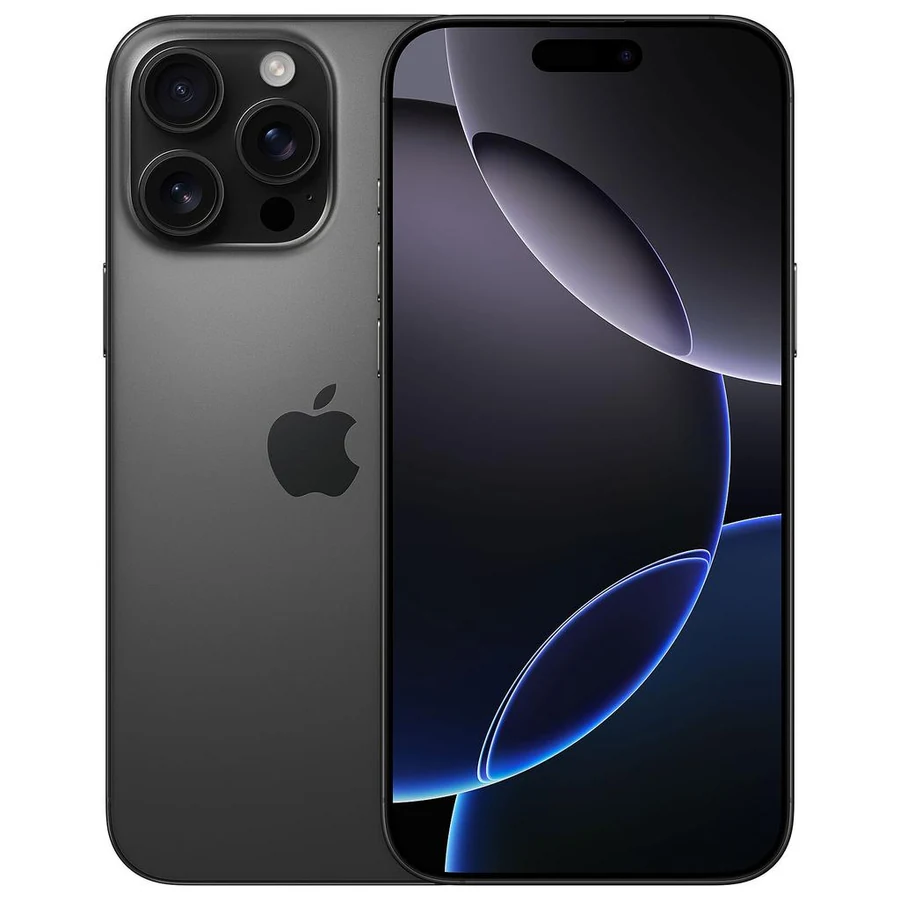
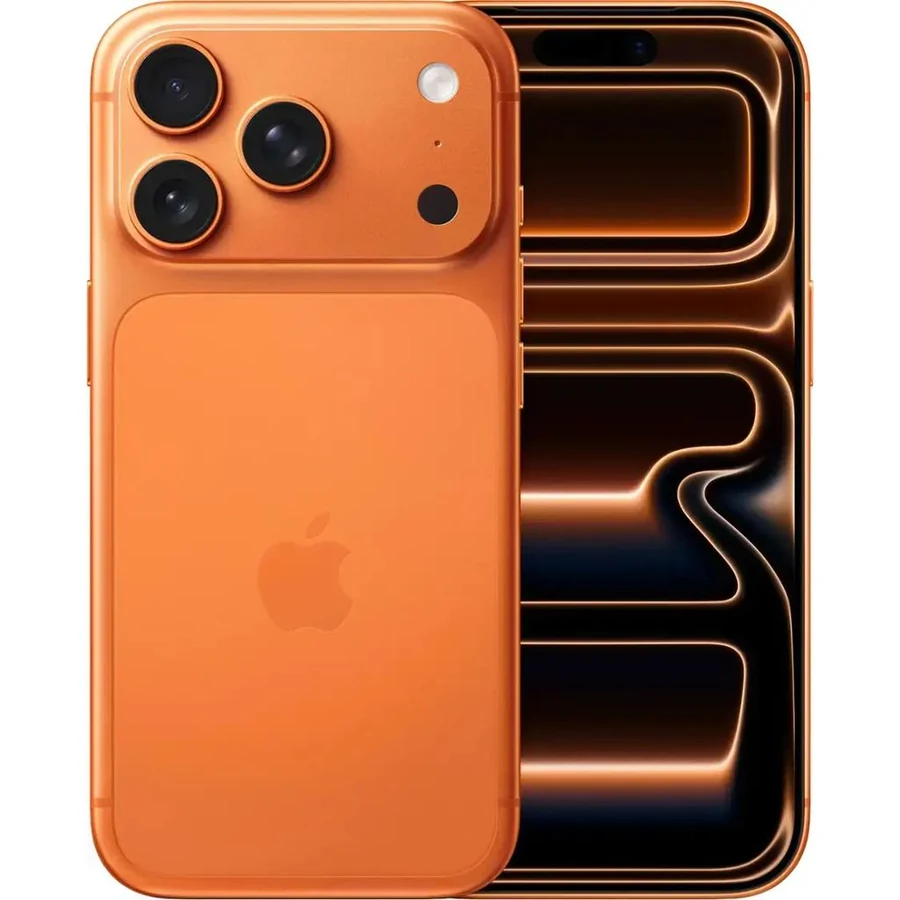
iPhone 16 Pro Max · E wātea ana ki ngā whatunga katoa vs iPhone 17 Pro · E wātea ana ki ngā whatunga katoa
- Pūtāhui kotahi tau
- Shipping rates shown at checkout
- Ka taea te whakahoki i roto i ngā rā 14 (ka pā ngā tikanga tuku whakahoki)
He tirohanga poto ki ngā rerekētanga
The iPhone 16 Pro Max (2024) and the iPhone 17 Pro (2025) represent advanced tiers of Apple's smartphone ecosystem, delivering high-end performance, sophisticated camera hardware, and seamless integration with iOS. While both devices support modern software updates and artificial intelligence features, they differ significantly in physical footprint, ergonomic handling, and generation-specific internal enhancements.
Choosing between them involves balancing screen size and battery endurance against handling comfort and hardware refinement.
Ngā tauira e wātea ana
Tae
Storage (GB)
Ngā kaute
Te pakari
Both smartphones feature robust build standards designed for multi-year daily use, though their release timelines influence overall software support longevity.
- Software Support Duration: Both models run current operating system software smoothly, with the newer release benefiting from an extended active support window from the manufacturer.
- Hardware Durability: Each device incorporates durable glass front protection and water resistance ratings, ensuring resilience against accidental splashes and everyday environmental exposure.
- Repairability Standards: Modular internal layouts allow authorized technicians to service components like batteries and displays efficiently, supporting long-term device upkeep.
Te tau i tukuna ai
2024
2025
Te pūnaha whakahaere hototahi hōu rawa
Āe
Āe
Foldable
Kāo
Kāo
Te kaha mahi
Handling demanding tasks, multitasking, and resource-heavy mobile applications is exceptionally smooth across both options, thanks to high-tier internal processing hardware.
- Multitasking and Responsiveness: Generous memory configurations allow seamless switching between numerous background applications without noticeable stutter or reloading.
- Battery Behavior: The larger chassis of the older model accommodates a higher-capacity battery for extended away-from-outlet use, while the newer generation relies on enhanced energy efficiency to manage daily power demands.
- Storage Configurations: Ample baseline storage provisions cater to large photo libraries, offline media collections, and expansive application data.
Te kounga o te mata
Visual output is vibrant and sharp on both devices, utilizing advanced organic light-emitting diode panels with high contrast ratios and adaptive refresh rates.
- Display Technology: Both screens deliver deep black levels, wide color gamuts, and smooth scrolling capabilities that adapt dynamically to on-screen content.
- Outdoor Visibility: High peak luminance capabilities ensure content remains legible under direct sunlight, while low minimum brightness settings help reduce eye strain in dark environments.
- Viewing Area: The older model provides a noticeably larger canvas suited for media consumption and split-screen viewing, whereas the newer variant offers a more compact form factor for single-handed navigation.
Taumira
1320 x 2868
2622x1206
Te momo mata
LTPO Super Retina XDR OLED
Super Retina XDR
Te ataata me te oro
Photography and video recording suites on both smartphones feature multi-lens setups capable of capturing high-resolution imagery across diverse lighting conditions.
- Image Capture: Main, ultra-wide, and telephoto sensors work in tandem to capture sharp details, accurate colors, and balanced dynamic range in both bright daylight and challenging low-light settings.
- Video Capabilities: High-frame-rate recording options and stabilization technology produce smooth, cinematic footage suitable for creative projects or personal memories.
- Audio and Media Output: Stereo speaker arrays deliver clear dialogue and balanced sound profiles for hands-free calls, podcasts, and casual video playback.
Kāmera matua
48 megapixels
48 megapixels
Kāmera o mua
12 megapixels
18 megapixels
Ētahi atu āhuatanga
Practical daily usability is shaped by physical dimensions, connectivity standards, and biometric security features built into each frame.
- Connectivity and Ports: Universal USB-C ports handle rapid wired data transfers and charging, complemented by fast wireless standards and fifth-generation cellular compatibility.
- Physical Dimensions: The older model features a heavier, broader build designed for maximum screen space, while the newer pro model offers a lighter, narrower profile that rests more comfortably in pockets.
- Security and Biometrics: Secure facial recognition sensors enable quick device unlocking and authenticated sign-ins across supported applications.
Taumaha
8.01 oz (227 g)
Not available
Te rahi o te mata (inihi)
6.9
6.3
Whatunga
5G
5G
Kāri SIM
eSIM
eSIM
Carrier compatibility
E wātea ana ki ngā whatunga katoa
Tūhono
USB-C (USB 3)
USB-C
Ngā whakaaro o te hapori
User feedback highlights distinct preferences when comparing these two devices in daily routines. Owners of the iPhone 16 Pro Max frequently praise its expansive display estate and enduring battery reserves, though some note that its heavier footprint can feel cumbersome during extended one-handed use. Conversely, users of the iPhone 17 Pro appreciate the refined handling, lighter chassis, and responsive interface, though heavy media consumers occasionally miss the wider viewing area of a maximum-sized phone. For those exploring sustainable purchasing routes, choosing a quality-assured refurbished option provides access to these advanced features while supporting eco-friendly technology lifecycles.
Users prioritizing maximum screen space and longer away-from-outlet endurance may prefer the iPhone 16 Pro Max, while users prioritizing a lighter, more compact build with updated internal efficiencies will lean toward the iPhone 17 Pro. Assessing your daily handling habits and media consumption preferences will help determine which device aligns best with your routine.