Compare models
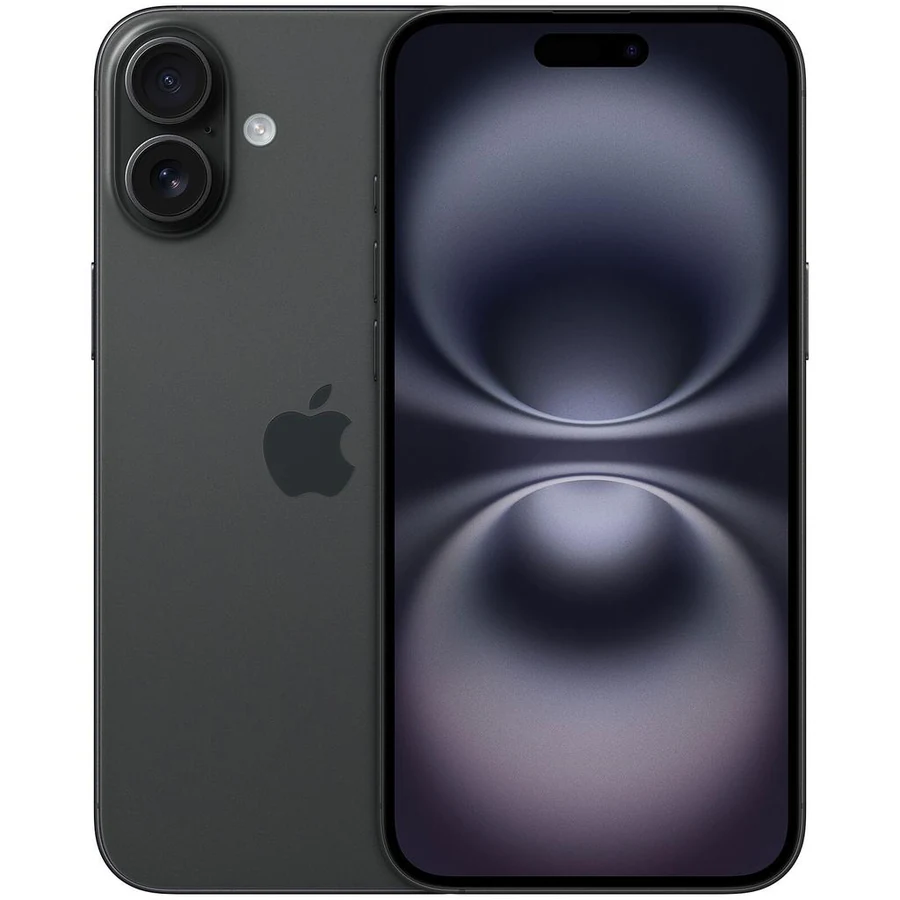
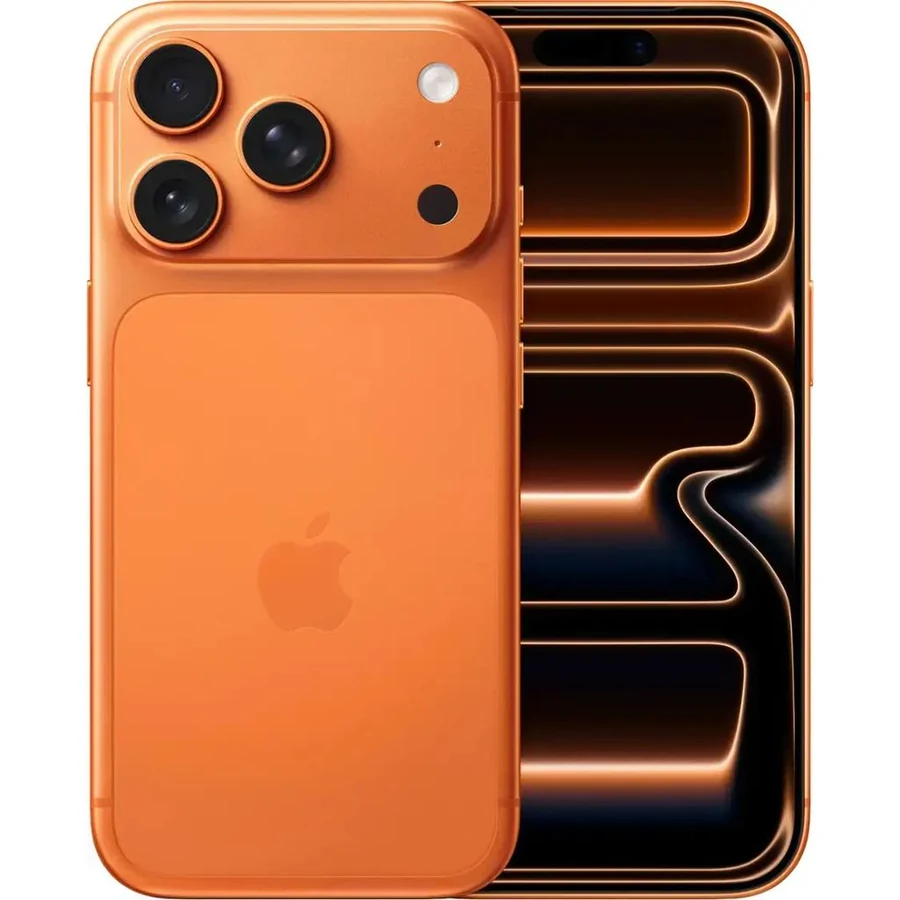
iPhone 16 Plus · E wātea ana ki ngā whatunga katoa vs iPhone 17 Pro · E wātea ana ki ngā whatunga katoa
- Pūtāhui kotahi tau
- Shipping rates shown at checkout
- Ka taea te whakahoki i roto i ngā rā 14 (ka pā ngā tikanga tuku whakahoki)
He tirohanga poto ki ngā rerekētanga
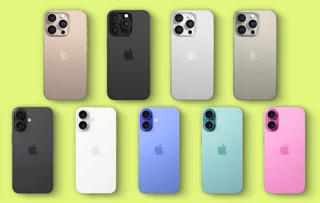
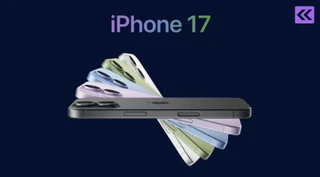
The iPhone 16 Plus (2024) and the iPhone 17 Pro (2025) represent two different approaches to modern smartphone engineering, balancing display proportions with professional-grade capabilities. While the iPhone 16 Plus focuses on providing a spacious viewing canvas and reliable day-to-day functionality, the iPhone 17 Pro targets users who prioritize advanced multi-lens camera systems, high-refresh-rate visuals, and compact handling. Both devices run on Apple's mobile operating ecosystem, yet they serve distinct user preferences regarding physical size and hardware features.
Ngā tauira e wātea ana
Tae
Storage (GB)
Ngā kaute
Te pakari
When evaluating structural longevity and software support, both smartphones offer robust multi-year viability backed by regular operating system updates and resilient build standards.
- Software support window: Both models receive long-term iOS updates, though the iPhone 17 Pro benefits from a one-year newer release timeline that extends its overall support horizon.
- Durability and repair: Both devices feature water resistance and reinforced glass shielding, scoring similarly in structural resilience and standard hardware serviceability.
- Expected lifespan: Routine software updates and efficient internal hardware allow both handsets to maintain dependable daily utility for many years of continuous ownership.
Te tau i tukuna ai
2024
2025
Te pūnaha whakahaere hototahi hōu rawa
Āe
Āe
Foldable
Kāo
Kāo
Te kaha mahi
Performance capabilities vary depending on multitasking demands and storage requirements, with both devices handling everyday software with consistent system responsiveness.
- Multitasking and memory: Both models include generous system memory configurations that allow smooth background app management and swift transitions between demanding software.
- App execution and gaming: The iPhone 17 Pro features a more advanced internal processor and thermal design that sustains high frame rates during graphics-heavy gaming and professional rendering tasks, whereas the iPhone 16 Plus handles routine applications and casual games comfortably.
- Battery behavior: The iPhone 16 Plus utilizes its larger physical chassis to house a high-capacity battery suited for extended media playback, while the iPhone 17 Pro optimizes energy consumption efficiently across its compact form factor.
Te kounga o te mata
Display characteristics differ significantly in physical dimensions, refresh rates, and outdoor legibility between the two models.
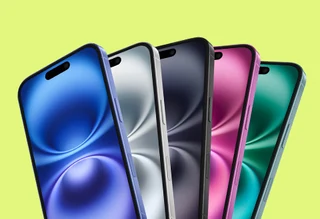
- Size and viewing area: The iPhone 16 Plus provides a large 6.7-inch display well-suited for reading, splitting screens, and immersive media consumption, compared to the more compact 6.3-inch screen on the iPhone 17 Pro.
- Refresh rate and fluidity: The iPhone 17 Pro utilizes high-refresh-rate display technology for smoother scrolling and animations, whereas the iPhone 16 Plus relies on a standard refresh rate.
- Brightness and clarity: Both models deliver sharp resolutions and high peak outdoor brightness levels, ensuring clear visibility under direct sunlight.
Taumira
1290 x 2796
2622x1206
Te momo mata
Super Retina XDR OLED
Super Retina XDR
Te ataata me te oro
Imaging and multimedia hardware cater to different content creation needs, ranging from casual photography to professional video production.
- Camera versatility: The iPhone 17 Pro is equipped with a triple-lens system featuring high-resolution sensors across main, ultra-wide, and telephoto lenses for flexible optical zoom, while the iPhone 16 Plus utilizes a dual-lens setup focused on everyday wide and ultra-wide captures.
- Low-light and video performance: The iPhone 17 Pro supports advanced professional video recording formats and enhanced low-light detail processing, while the iPhone 16 Plus captures balanced everyday photos and stable video clips automatically.
- Audio output: Both devices incorporate stereo speakers capable of delivering clear spatial audio playback for calls, podcasts, and casual media streaming.
Kāmera matua
48 megapixels
48 megapixels
Kāmera o mua
12 megapixels
18 megapixels
Ētahi atu āhuatanga
Practical everyday features, physical dimensions, and connectivity standards shape the handling experience of each smartphone.
- Dimensions and weight: The iPhone 16 Plus measures larger and heavier to accommodate its expansive screen, whereas the iPhone 17 Pro offers a lighter, more compact profile that rests easily in one hand or pockets.
- Connectivity and ports: Both models feature universal USB-C connectivity, high-speed wireless networking standards, and secure facial recognition sensors for authentication.
- Build materials: Both handsets use reinforced glass and sturdy frame construction designed to withstand everyday wear and tear.
Taumaha
7.02 oz (199 g)
Not available
Te rahi o te mata (inihi)
6.7
6.3
Whatunga
5G
5G
Kāri SIM
eSIM
eSIM
Carrier compatibility
E wātea ana ki ngā whatunga katoa
Tūhono
USB-C (USB 2)
USB-C
Ngā whakaaro o te hapori
User discussions across public technology forums highlight distinct preferences for each device depending on daily usage habits. Owners of the iPhone 16 Plus frequently praise its expansive screen workspace and reliable battery duration for media-heavy routines. Conversely, users favor the iPhone 17 Pro for its compact handling, advanced multi-lens camera flexibility, and fluid high-refresh-rate display. Common criticisms for the larger model focus on its bulky footprint in smaller pockets, while the pro model receives occasional notes regarding high demands on battery life during intensive professional tasks.
Users who prioritize a spacious display and extended media viewing will find the iPhone 16 Plus well-suited to their needs, while users prioritizing advanced photographic zoom and compact portability may lean toward the iPhone 17 Pro. For those exploring sustainable purchasing routes, a quality-assured refurbished option provides a reliable and eco-friendly alternative to buying brand new. Ultimately, selecting between these two smartphones depends on whether physical screen size or specialized hardware features take precedence in daily use.