


Samsung

Que recherchez-vous ?
Compare models
Les différences en un coup d’œil
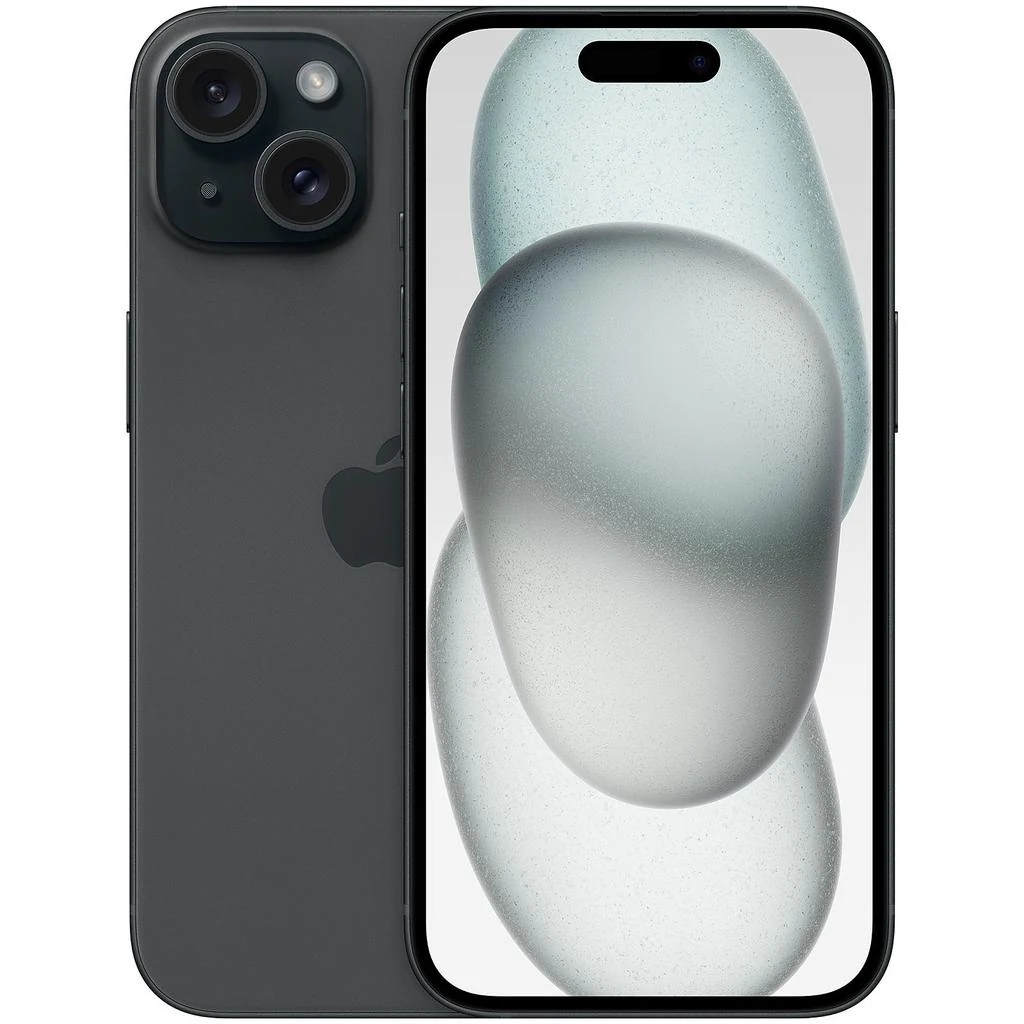
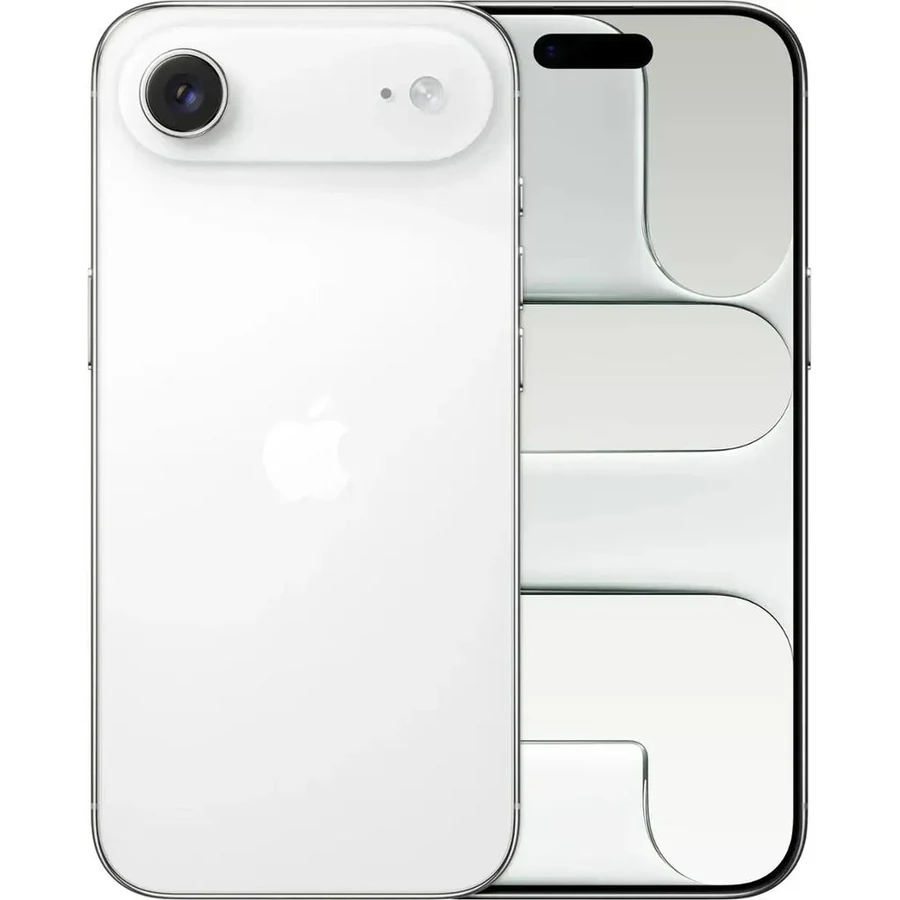
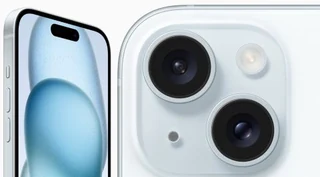
The iPhone 15 (2023) and the iPhone Air (2025) represent two distinct approaches to Apple's smartphone lineup, balancing familiar ergonomics with modern mobile engineering. While the iPhone 15 serves as a well-established standard device, the iPhone Air introduces a radically thin design paired with an updated processor generation. Operating on the iOS platform, both devices provide a consistent software interface, though they differ significantly in hardware layout and physical presentation.
Couleur
Storage (GB)
When evaluating structural longevity and software support, both devices offer multi-year lifespans, though their release years create a timeline offset for future operating system updates.
Année de sortie
Dernier système compatible
Système d’exploitation
Foldable
Day-to-day operation highlights generational advancements in processing power, memory capacity, and thermal management between the two models.
Display characteristics differ notably in physical dimensions, brightness output, and motion smoothness during daily media consumption.
Résolution
Type d’écran
Multimedia capture capabilities reflect contrasting philosophies regarding lens versatility and audio output hardware.
Appareil photo principal
Caméra avant
Physical handling characteristics and connectivity standards set these two smartphones apart during everyday transit and usage.
Poids
Diagonale de l’écran (pouces)
Réseau
Carte SIM
Carrier compatibility
Connecteur
User feedback from online communities indicates that the iPhone 15 is widely praised for its balanced ergonomics, dependable dual-camera setup, and reliable everyday battery performance, though some users note that its standard display refresh rate feels dated compared to contemporary devices. Conversely, owners of the iPhone Air frequently highlight its striking, featherlight profile and vibrant high-refresh display as standout daily qualities, while noting that its single-lens camera and shorter battery endurance require minor compromises. Users prioritizing maximum pocket portability, modern display smoothness, and expansive screen space may prefer the iPhone Air, while users seeking a traditional dual-camera layout and balanced daily utility often lean toward the iPhone 15. For those exploring a sustainable choice, a quality-assured refurbished option provides a practical way to acquire either model while reducing electronic waste. Ultimately, the choice depends on whether physical lightness or traditional multimedia versatility takes precedence in daily use.




 WhatsApp