Compare models

iPhone 15 · Libre vs iPhone Air · Libre

  • Garantía de un año
  • Shipping rates shown at checkout
  • Devoluciones en 14 días (se aplican las condiciones de envío de devolución)
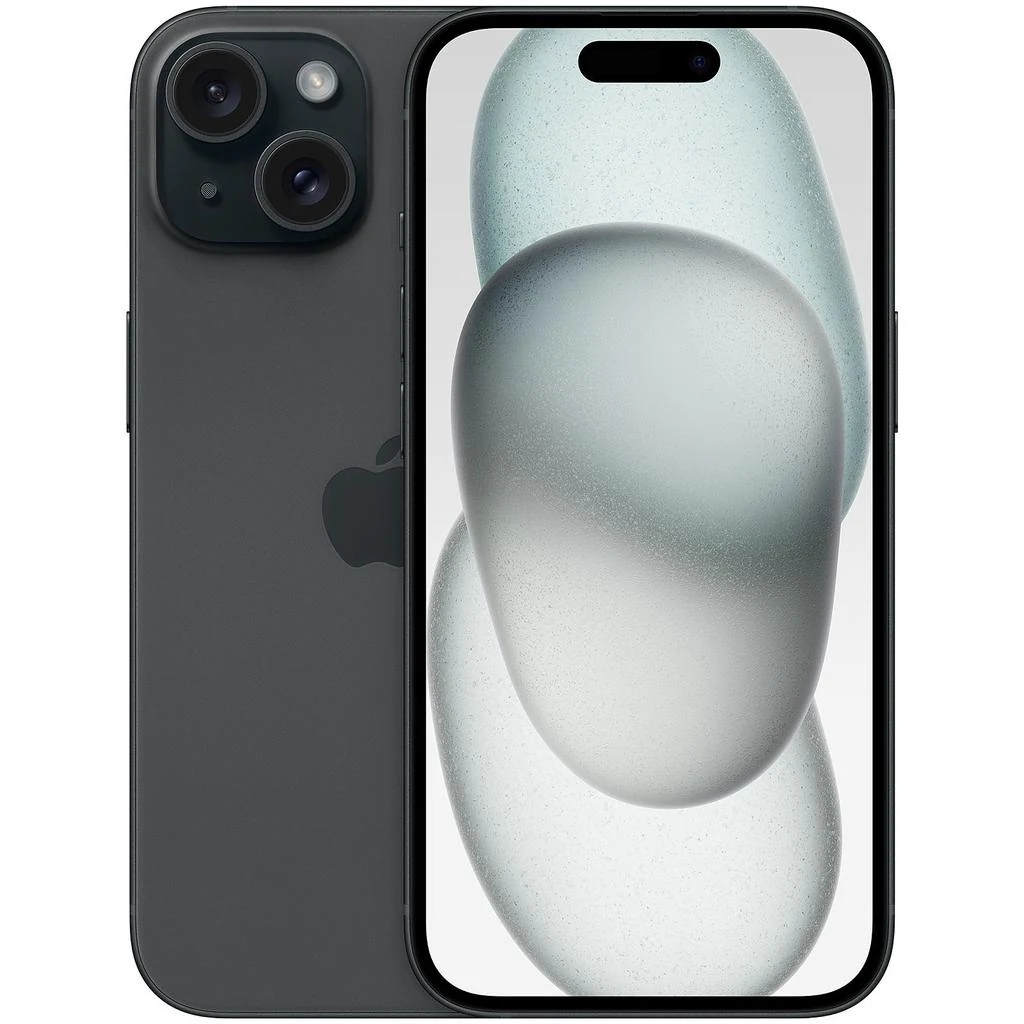
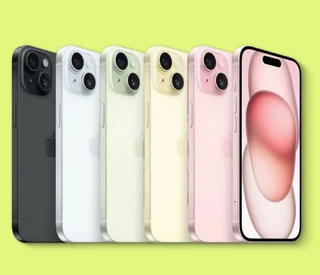
iPhone 15 · Libre
Desde

Precio reacondicionado:USD 161 $

Precio nuevo · USD 699 $

Ver opciones
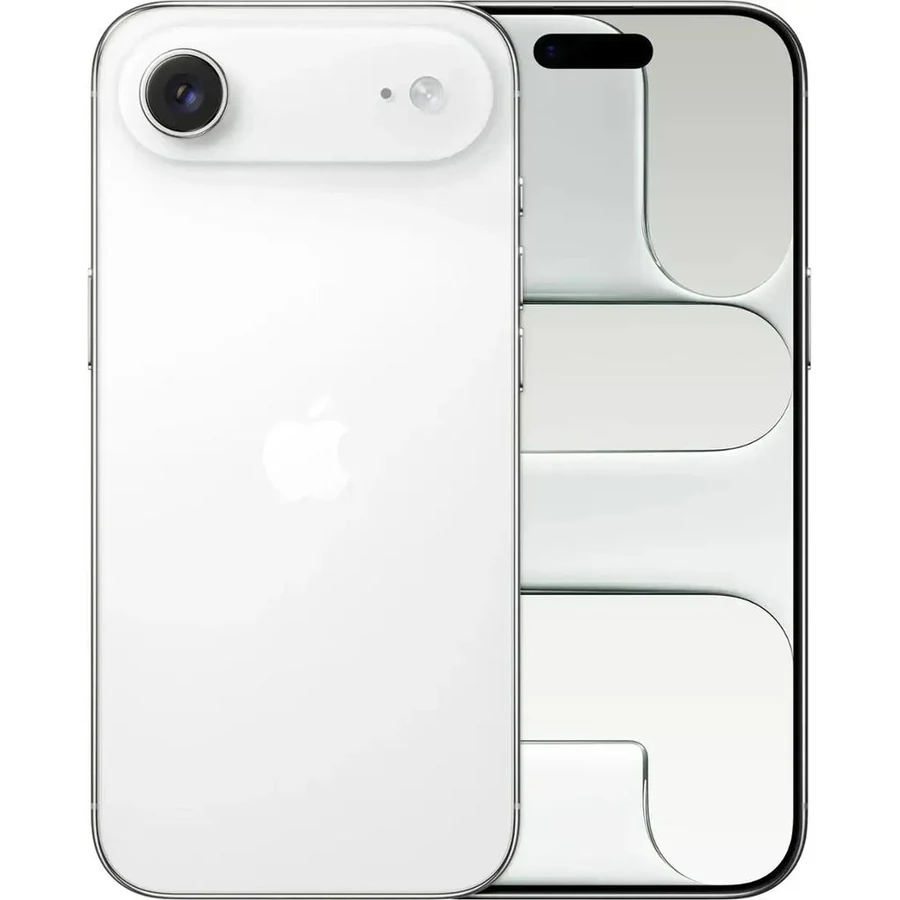
iPhone Air · Libre
Desde

Precio reacondicionado:USD 269 $

Precio nuevo · USD 1099 $

Ver opciones

Diferencias de un vistazo

The iPhone 15 (2023) and the iPhone Air (2025) represent two distinct approaches to Apple's smartphone lineup, balancing familiar ergonomics with modern mobile engineering. While the iPhone 15 serves as a well-established standard device, the iPhone Air introduces a radically thin design paired with an updated processor generation. Operating on the iOS platform, both devices provide a consistent software interface, though they differ significantly in hardware layout and physical presentation.

Modelos disponibles

Color

Storage (GB)

Puntuaciones

Durabilidad

When evaluating structural longevity and software support, both devices offer multi-year lifespans, though their release years create a timeline offset for future operating system updates.

  • Software Longevity: The iPhone Air benefits from a newer release year, extending its window for future software updates compared to the iPhone 15.
  • Repairability and Build: Both devices feature robust internal components and maintain standard repair pathways, though the exceptionally slim architecture of the iPhone Air introduces unique structural considerations for long-term physical durability.

Año de lanzamiento

2023

2025

Último sistema operativo compatible

Sí

Sí

Sistema operativo

iOS

iOS

Foldable

No

No

Rendimiento

Day-to-day operation highlights generational advancements in processing power, memory capacity, and thermal management between the two models.

  • Multitasking and Responsiveness: The iPhone Air handles demanding multi-app workflows, complex rendering, and intensive gaming with greater fluidity thanks to its higher RAM capacity and advanced processing architecture.
  • Storage and Battery Behavior: The iPhone 15 provides standard storage tiers and reliable daily battery endurance for typical mixed use, whereas the ultra-slim profile of the iPhone Air houses a smaller physical battery capacity that benefits from mindful charging habits during heavy workdays.

Calidad de pantalla

Display characteristics differ notably in physical dimensions, brightness output, and motion smoothness during daily media consumption.

  • Panel Technology and Size: The iPhone Air features a larger 6.5-inch OLED display, providing more expansive screen real estate compared to the 6.1-inch panel on the iPhone 15.
  • Refresh Rate and Brightness: The iPhone Air incorporates adaptive high refresh rate technology reaching up to 120 Hz for smoother scrolling, alongside higher outdoor peak brightness levels than the fixed refresh display of the iPhone 15.

Resolución

1179 x 2556

2736x1260

Tipo de pantalla

Super Retina XDR OLED

Super Retina XDR

Imagen y sonido

Multimedia capture capabilities reflect contrasting philosophies regarding lens versatility and audio output hardware.

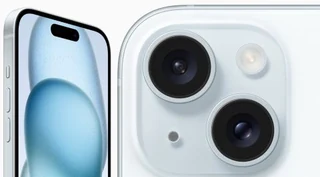
  • Camera Systems: The iPhone 15 features a dual-lens rear setup providing both wide and ultra-wide focal lengths, whereas the iPhone Air concentrates its imaging hardware into a single high-resolution rear lens system.
  • Audio and Recording: The iPhone 15 provides stereo speaker output for media playback, while the iPhone Air utilizes a specialized mono speaker configuration owing to its constrained internal depth.

Cámara principal

48 megapixels

48 megapixels

Cámara frontal

12 megapixels

18 megapixels

Otras características

Physical handling characteristics and connectivity standards set these two smartphones apart during everyday transit and usage.

  • Dimensions and Weight: The iPhone Air emphasizes portability with a remarkably thin profile and lightweight titanium construction, contrasting with the slightly thicker aluminum and glass build of the iPhone 15.
  • Connectivity and Ports: Both models utilize USB-C connectivity for charging and data transfer, while supporting modern 5G networks, wireless communication standards, and secure facial recognition features.

Peso

6.03 oz (171 g)

Not available

Tamaño de pantalla (pulgadas)

6.1

6.5

Red

5G

5G

Tarjeta SIM

eSIM

eSIM

Carrier compatibility

Libre

Libre

Conector

USB-C (USB 2)

USB-C

Qué opina la comunidad

User feedback from online communities indicates that the iPhone 15 is widely praised for its balanced ergonomics, dependable dual-camera setup, and reliable everyday battery performance, though some users note that its standard display refresh rate feels dated compared to contemporary devices. Conversely, owners of the iPhone Air frequently highlight its striking, featherlight profile and vibrant high-refresh display as standout daily qualities, while noting that its single-lens camera and shorter battery endurance require minor compromises. Users prioritizing maximum pocket portability, modern display smoothness, and expansive screen space may prefer the iPhone Air, while users seeking a traditional dual-camera layout and balanced daily utility often lean toward the iPhone 15. For those exploring a sustainable choice, a quality-assured refurbished option provides a practical way to acquire either model while reducing electronic waste. Ultimately, the choice depends on whether physical lightness or traditional multimedia versatility takes precedence in daily use.
WhatsApp