Compare models

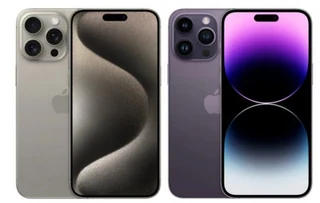
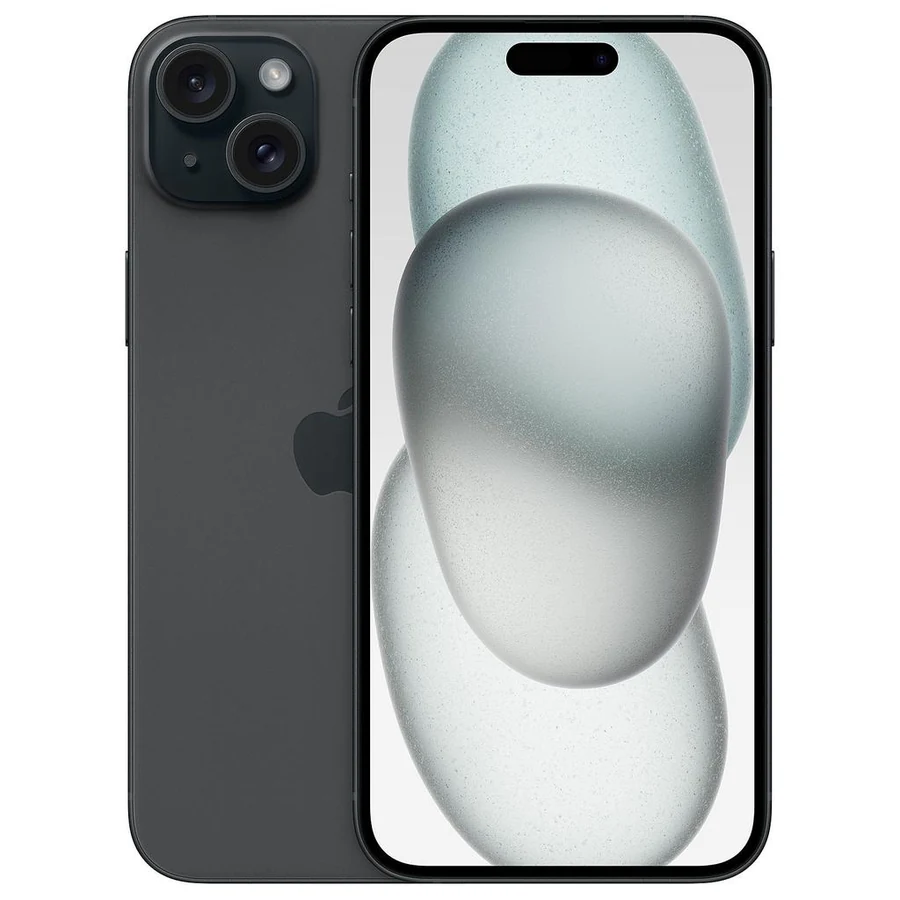
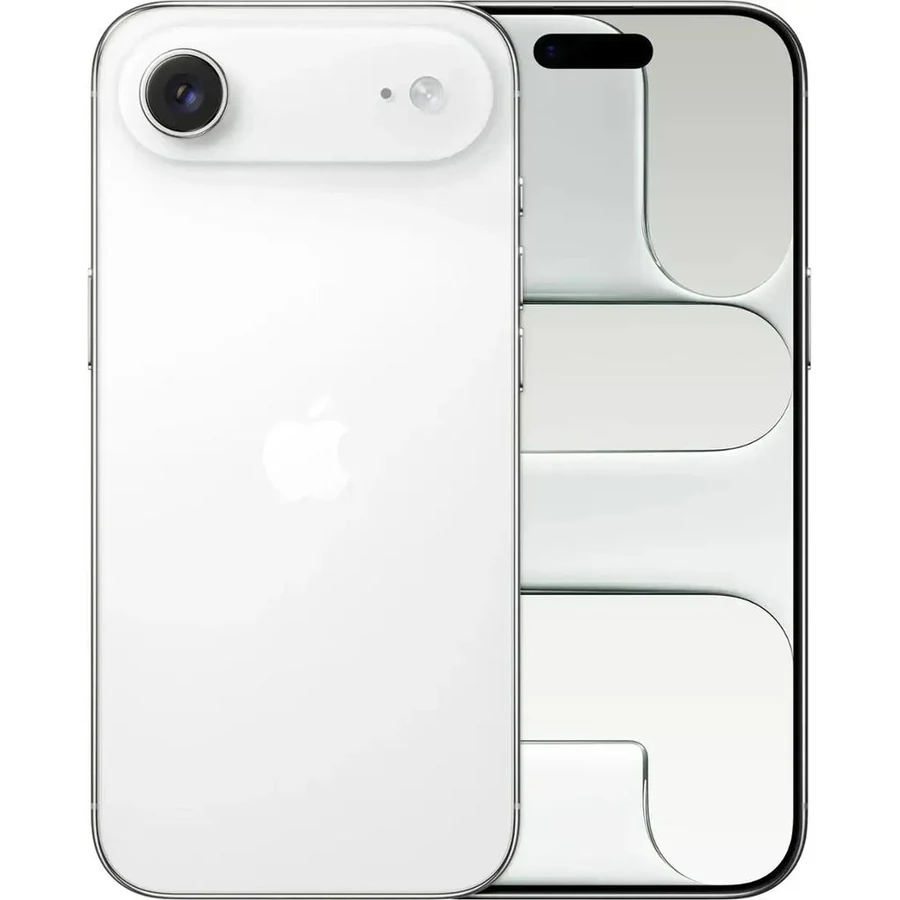
iPhone 15 Plus · Miftuħ għan-netwerks kollha vs iPhone Air · Miftuħ għan-netwerks kollha

  • Garanzija ta’ sena
  • Shipping rates shown at checkout
  • Ritorn fi żmien 14-il jum (japplikaw il-kundizzjonijiet tat-tbaħħir għar-ritorn)
iPhone 15 Plus · Miftuħ għan-netwerks kollha
Minn

Prezz rikondizzjonat:USD 164 $

Prezz meta ġdid · USD 829 $

Ara l-għażliet
iPhone Air · Miftuħ għan-netwerks kollha
Minn

Prezz rikondizzjonat:USD 269 $

Prezz meta ġdid · USD 1099 $

Ara l-għażliet

Id-differenzi fil-qosor

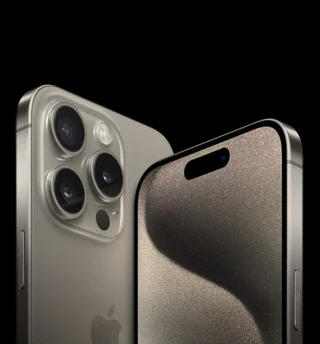
The iPhone 15 Plus (2023) and the iPhone Air (2025) represent two distinct approaches to large-screen smartphone design within Apple's ecosystem. While the iPhone 15 Plus focuses on traditional large-format utility with an aluminum and color-infused glass body, the iPhone Air introduces a radically thin titanium profile and a high-refresh-rate display. Both models run the iOS operating system and offer seamless device integration, but they cater to very different physical preferences and capability needs.

Mudelli disponibbli

Kulur

Storage (GB)

Punteġġi

Durabbiltà

When evaluating long-term viability, both devices benefit from extended software support timelines, though their release years introduce different milestones for hardware wear and update longevity.

  • Release timeline and support: The iPhone 15 Plus launched in 2023, while the iPhone Air arrived in 2025, giving the newer model an extended window for future software updates. Both receive multi-year operating system support matching standard industry lifecycles.
  • Repairability and build: Both models utilize robust outer shells featuring reinforced glass protection, scoring similarly in structural resilience. Users seeking maximum software longevity from the purchase date will find the newer release timeline of the iPhone Air advantageous.

Sena tat-tnedija

2023

2025

L-aktar sistema operattiva riċenti kompatibbli

Iva

Iva

Sistema operattiva

iOS

iOS

Foldable

Le

Le

Prestazzjoni

Underneath the exterior, these devices handle daily multitasking, app loading, and processing loads through different hardware generations optimized for efficiency and responsiveness.

  • System responsiveness: Both devices load everyday applications, stream media, and handle web browsing with fluid speed. The iPhone Air features a more advanced internal processor and higher memory capacity, resulting in smoother performance during heavy multitasking and demanding software tasks.
  • Battery behavior: The iPhone 15 Plus provides substantial battery capacity designed to comfortably clear a full day of heavy mixed use. The iPhone Air balances its ultra-slim profile with power-efficient internal components to maintain dependable all-day battery performance under typical daily routines.

Kwalità tal-iskrin

Visual output and display presentation differ notably in smoothness and peak luminescence between these two large-screen variants.

  • Display technology and refresh rates: The iPhone 15 Plus features a standard 60Hz OLED display with vibrant color reproduction and deep contrast. In contrast, the iPhone Air incorporates an advanced adaptive refresh rate panel scaling up to 120Hz for smoother scrolling and enhanced visual fluidity.
  • Outdoor visibility: Both models offer high-resolution Super Retina XDR screens, but the iPhone Air reaches higher peak outdoor brightness levels, improving legibility under direct sunlight.

Riżoluzzjoni

1290 x 2796

2736x1260

Tip ta’ skrin

Super Retina XDR OLED

Super Retina XDR

Stampa u ħoss

Photography and media consumption hardware cater to straightforward everyday capture rather than complex multi-lens arrays.

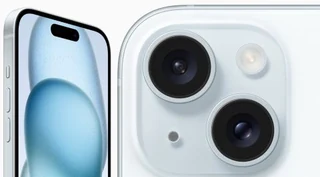
  • Camera systems: The iPhone 15 Plus utilizes a dual-lens setup including a primary high-resolution sensor and an ultra-wide option. The iPhone Air streamlines its physical layout by implementing a single high-output primary rear sensor supported by advanced computational photography features.
  • Media and audio output: Both devices deliver clear stereo sound during media playback and crystal-clear microphone performance for calls, though neither includes a physical headphone jack.

Kamera ewlenija

48 megapixels

48 megapixels

Kamera ta’ quddiem

12 megapixels

18 megapixels

Karatteristiċi oħra

Physical dimensions, weight distribution, and connectivity standards dictate how each device feels and functions in everyday handling.

  • Handling and dimensions: The iPhone 15 Plus features a traditional thicker profile weighing around 201 grams. The iPhone Air prioritizes portability through an exceptionally slender 5.6 mm titanium build weighing roughly 165 grams.
  • Ports and connectivity: Both models utilize universal USB-C ports for charging and data transfer alongside modern 5G and Wi-Fi networking standards, while relying entirely on digital eSIM configuration in many regions.

Piż

7.09 oz (201 g)

Not available

Daqs tal-iskrin (pulzieri)

6.7

6.5

Netwerk

5G

5G

Kard SIM

eSIM

eSIM

Carrier compatibility

Miftuħ għan-netwerks kollha

Miftuħ għan-netwerks kollha

Konnettur

USB-C (USB 2)

USB-C

L-opinjoni tal-komunità

User community discussions highlight distinct preferences for each device based on physical design and functional priorities. Owners of the iPhone 15 Plus frequently praise its dependable battery life and comfortable handling, though some note the standard refresh rate feels dated compared to modern alternatives. Conversely, users gravitate toward the iPhone Air for its exceptionally lightweight, ultra-thin form factor and fluid display motion, while noting that its streamlined single-lens camera requires relying on digital crop for zoom flexibility. Choosing a quality-assured refurbished option from RefurbLane allows consumers to acquire these devices as sustainable, eco-friendly choices without compromising on hardware reliability.

Users prioritizing lightweight portability, modern display fluidity, and advanced processing headroom will find the iPhone Air well-suited to their daily routines. Meanwhile, users focusing on traditional ergonomics and proven all-day power may lean toward the iPhone 15 Plus. Evaluating personal preferences regarding physical weight, screen smoothness, and camera versatility remains the best approach to determining the right device fit.
L-aħħar paraguni tagħna

WhatsApp