Compare models

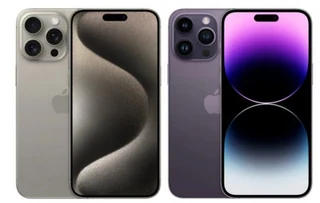
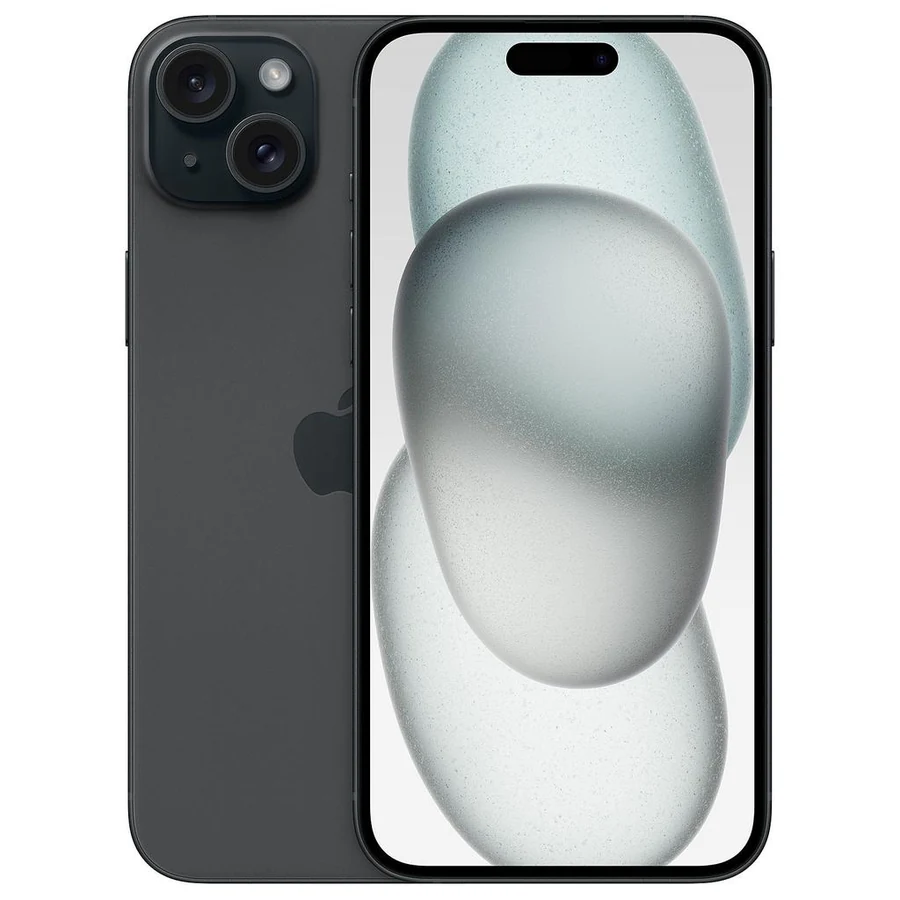
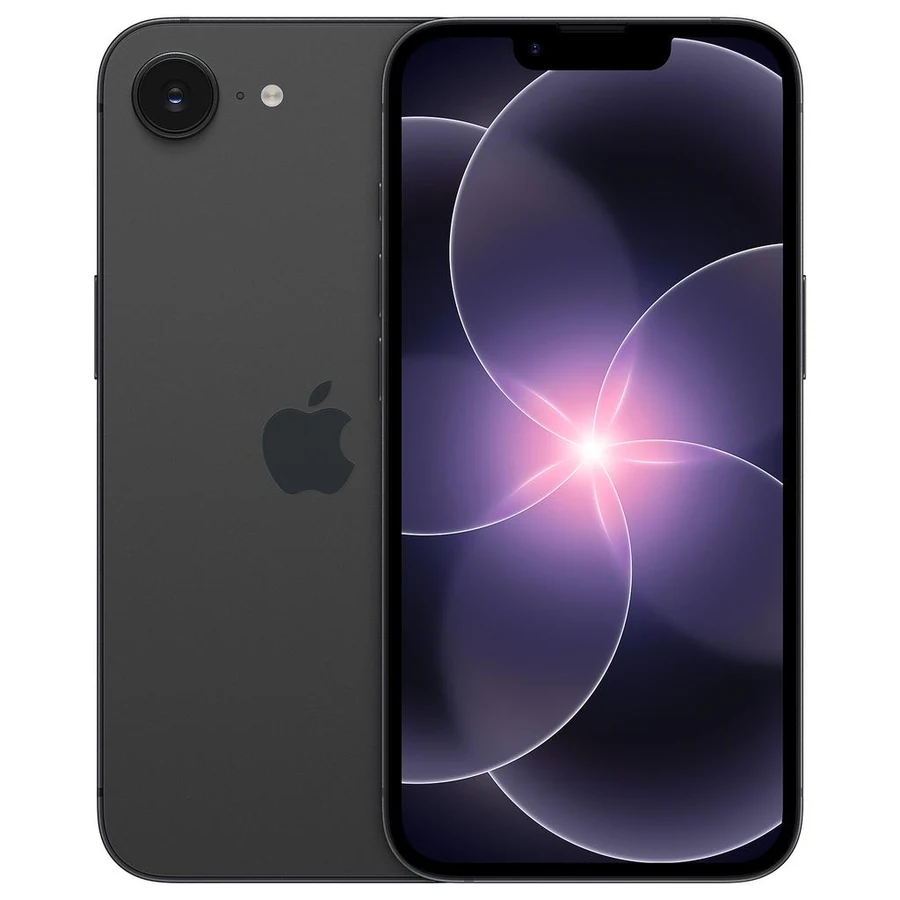
iPhone 15 Plus · E wātea ana ki ngā whatunga katoa vs iPhone 17e · E wātea ana ki ngā whatunga katoa

  • Pūtāhui kotahi tau
  • Shipping rates shown at checkout
  • Ka taea te whakahoki i roto i ngā rā 14 (ka pā ngā tikanga tuku whakahoki)
iPhone 15 Plus · E wātea ana ki ngā whatunga katoa
Mai i

Utu mō te mea kua whakahoungia:USD 164 $

Utu mō te mea hou · USD 829 $

Tirohia ngā kōwhiringa
iPhone 17e · E wātea ana ki ngā whatunga katoa
Mai i

Utu mō te mea kua whakahoungia:USD 185 $

Utu mō te mea hou · USD 699 $

Tirohia ngā kōwhiringa

He tirohanga poto ki ngā rerekētanga

The iPhone 15 Plus (2023) and iPhone 17e (2026) represent two different philosophies within Apple's smartphone lineup, balancing large-screen media consumption against modern compact efficiency. While the iPhone 15 Plus emphasizes expansive viewing space and established software reliability, the newer iPhone 17e introduces updated internal processing capabilities and a lighter physical profile. Both devices run on iOS, though their hardware timelines create distinct advantages for everyday users.

Ngā tauira e wātea ana

Tae

Storage (GB)

Ngā kaute

Te pakari

When evaluating hardware longevity and software support, both models offer solid long-term viability while reflecting their respective release windows.

  • Release Timeline and Software Support: The iPhone 15 Plus launched in 2023, whereas the iPhone 17e debuted in early 2026. Consequently, the iPhone 17e extends its software support window further into the future, making it well-suited for users planning multi-year retention.
  • Repairability and Build Longevity: Both devices feature robust aluminum frames and glass construction designed to handle daily wear, alongside standard repair pathways supported globally.
  • Practical Lifespan: Users seeking extended software update compatibility will find the newer hardware timeline of the iPhone 17e advantageous, while the iPhone 15 Plus maintains a predictable track record for stability.

Te tau i tukuna ai

2023

2026

Pūnaha whakahaere

iOS

iOS

Foldable

Kāo

Kāo

Te kaha mahi

Daily responsiveness and multitasking capabilities vary significantly due to the generation gap in internal architecture between these two smartphones.

  • Processor Capabilities and Multitasking: The iPhone 17e handles demanding applications, high-graphics gaming, and rapid multitasking with greater efficiency thanks to its current-generation processor and expanded RAM configuration. The iPhone 15 Plus handles standard daily tasks, streaming, and moderate multitasking smoothly, though heavy workloads run with noticeably less thermal headroom.
  • Storage Options: The iPhone 17e provides higher baseline storage configurations out of the box, whereas the iPhone 15 Plus is available across a wider spread of traditional capacity tiers.
  • Battery Behavior: The larger physical footprint of the iPhone 15 Plus accommodates a bigger battery capacity suited for extended media playback, while the iPhone 17e relies on power-efficient internal components to maintain daily stamina despite its smaller chassis.

Te kounga o te mata

Display characteristics define much of the physical interaction with these devices, separating screen size preference from panel technology benefits.

  • Display Size and Immersion: The iPhone 15 Plus features a spacious 6.7-inch Super Retina XDR OLED display, making it ideal for watching videos and reading documents. In contrast, the iPhone 17e utilizes a more compact 6.1-inch Super Retina XDR OLED display that prioritizes one-handed reachability.
  • Clarity and Brightness: Both models deliver sharp pixel densities and high peak brightness levels, ensuring text remains legible and colors appear vibrant under direct sunlight.
  • Visual Smoothness: Each device offers crisp contrast and deep blacks inherent to OLED technology, providing a comfortable viewing experience for everyday media consumption.

Taumira

1290 x 2796

2532 x 1170

Te ataata me te oro

Media capture and audio output capabilities cater to different styles of content creation and everyday communication.

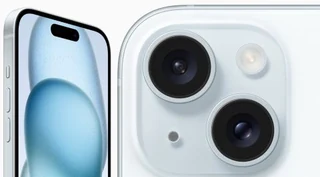
  • Camera System Setup: The iPhone 15 Plus features a dual-lens rear camera array including a high-resolution main sensor and an ultra-wide option. The iPhone 17e opts for a streamlined single high-resolution rear camera setup backed by advanced computational photography.
  • Low-Light and Video Performance: Both devices capture detailed everyday photos and stable video recordings, though newer processing software on the iPhone 17e yields refined color balance in challenging lighting conditions.
  • Audio and Media Output: Stereo speaker systems on both smartphones deliver clear voice calls and balanced sound output for casual media streaming.

Kāmera matua

48 megapixels

48 megapixels

Kāmera o mua

12 megapixels

12 megapixels

Ētahi atu āhuatanga

Practical daily usability elements such as physical dimensions, connectivity standards, and build characteristics shape the handling experience.

  • Handling and Physical Dimensions: The iPhone 15 Plus is larger and heavier, suiting users who prefer an expansive grip. The iPhone 17e offers a lighter, more compact form factor that fits easily into smaller pockets.
  • Connectivity and Ports: Both models utilize standard USB-C connectivity for charging and data transfer, alongside modern 5G cellular capabilities and fast wireless networking standards.
  • Authentication and Sensors: Both devices rely on secure Face ID facial recognition for unlocking and authorizations, paired with a complete suite of motion and environmental sensors.

Taumaha

7.09 oz (201 g)

Not available

Te rahi o te mata (inihi)

6.7

6.1

Whatunga

5G

5G

Kāri SIM

eSIM

eSIM

Carrier compatibility

E wātea ana ki ngā whatunga katoa

E wātea ana ki ngā whatunga katoa

Tūhono

USB-C (USB 2)

USB-C (USB 2)

Ngā whakaaro o te hapori

User feedback from online communities highlights distinct preferences for each device based on everyday use cases. Owners of the iPhone 15 Plus frequently praise its expansive screen real estate and reliable battery endurance during long media sessions, though some note its larger physical size can feel cumbersome to carry. Conversely, users of the iPhone 17e appreciate its nimble handling, brisk system responsiveness, and modern processing headroom, while noting that its compact display offers less room for side-by-side app viewing.

Users prioritizing maximum screen space for media consumption and comfortable reading will find the iPhone 15 Plus well-suited to their needs. Meanwhile, users prioritizing a lighter physical profile, extended software longevity, and swift app multitasking may lean toward the iPhone 17e. Choosing a quality-assured refurbished option through RefurbLane allows consumers to explore either model as an eco-friendly, sustainable choice that reduces electronic waste without compromising on performance standards.
Ā mātou whakataurite hou

WhatsApp