Compare models
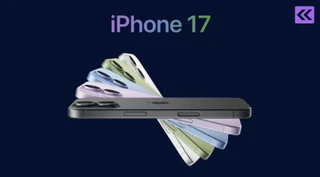
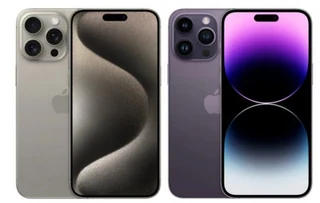
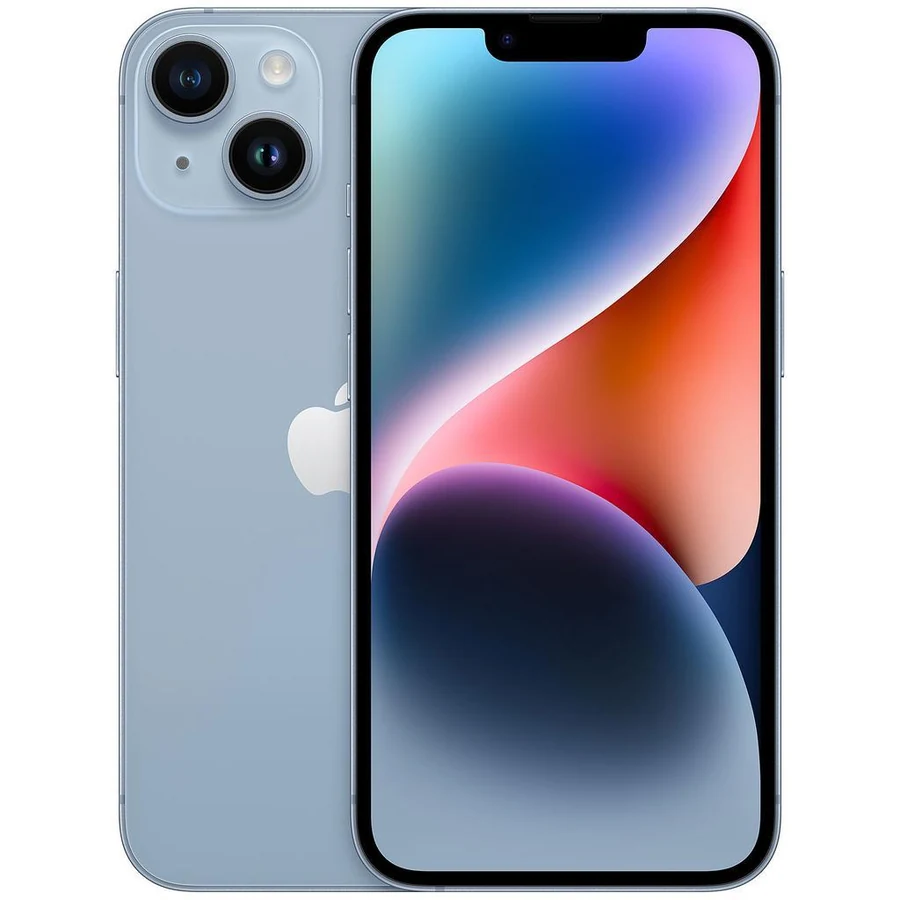
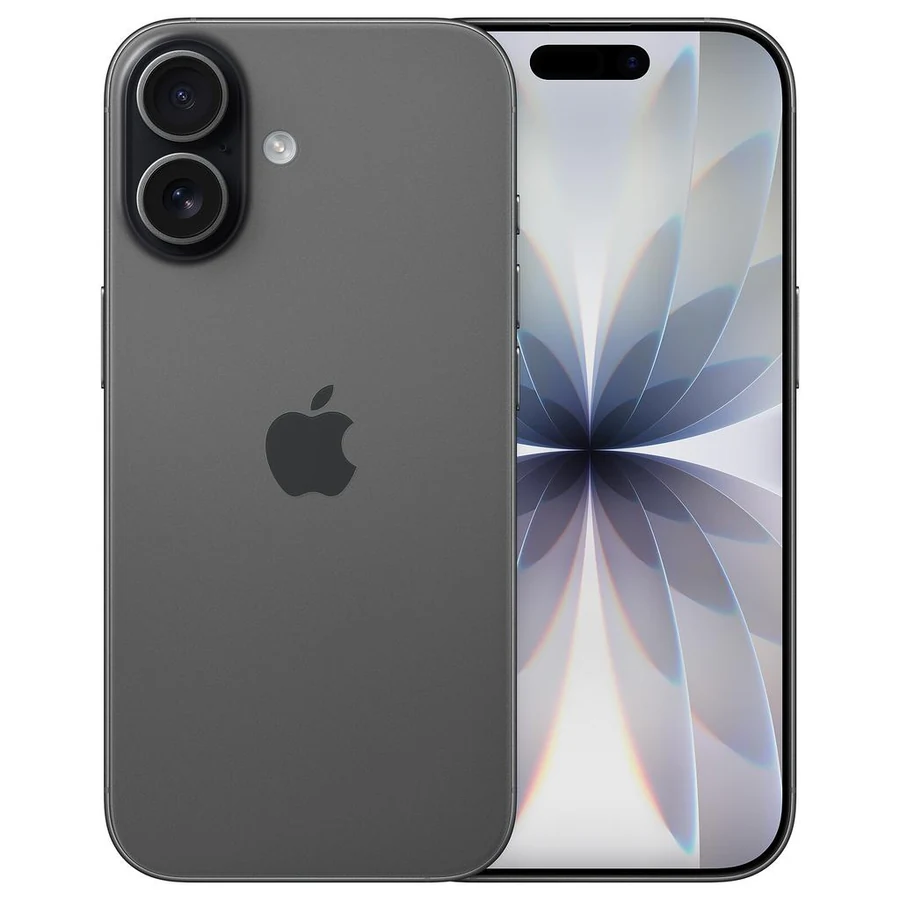
iPhone 14 · Débloqué vs iPhone 17 · Débloqué
- Garantie d’un an
- Shipping rates shown at checkout
- Retours sous 14 jours (conditions de renvoi applicables)
Les différences en un coup d’œil
The iPhone 14 (2022) and the iPhone 17 (2025) represent different generations of Apple's smartphone lineup, with the iPhone 14 model tied to Verizon network restrictions. While both devices run on Apple's iOS ecosystem, they differ significantly in processing power, display technology, and design layout. Understanding these practical distinctions helps users evaluate which smartphone aligns best with their everyday communication and media habits.
Modèles disponibles
Couleur
Storage (GB)
Notes
Durabilité
When examining hardware longevity and support timelines, these two devices reflect a gap in their release schedules that influences total software lifespan and support availability.
- Release timeline and software support: The iPhone 14 launched in 2022, whereas the iPhone 17 arrived in 2025, giving the newer model a three-year advantage in long-term iOS updates.
- Repairability and build durability: Both models utilize durable glass and aluminum construction with reliable repair ecosystems, though the newer device features improved scratch resistance.
- Expected practical lifespan: Users selecting the iPhone 17 can expect an extended window of manufacturer security patches, while the iPhone 14 remains fully functional for standard daily tasks.
Année de sortie
2022
2025
Dernier système compatible
Oui
Oui
Système d’exploitation
iOS
iOS
Foldable
Non
Non
Performances
Underneath the exterior, these smartphones offer distinct capabilities for handling daily applications, multitasking, and power management.
- Processor capabilities and responsiveness: The iPhone 17 handles demanding apps, heavy multitasking, and modern mobile gaming with greater fluidity, while the iPhone 14 manages everyday browsing and standard applications smoothly.
- Storage capacity configurations: The iPhone 17 provides higher baseline storage configurations out of the box, whereas the iPhone 14 starts with more modest storage tiers.
- Battery behavior: The iPhone 17 benefits from improved energy efficiency that sustains heavy usage throughout a full day, while the iPhone 14 may require a midday recharge for intensive users.
Qualité de l’écran
Visual output and display responsiveness differ notably between the two models, impacting media consumption and outdoor usability.
- Display technology and refresh rates: The iPhone 17 introduces high-refresh-rate adaptive technology for smoother scrolling, whereas the iPhone 14 utilizes a standard refresh rate panel.
- Brightness levels: The iPhone 17 reaches higher peak outdoor brightness levels for clear visibility in direct sunlight, while the iPhone 14 offers standard outdoor viewing clarity.
- Screen dimensions: The iPhone 17 features a slightly expanded screen size with narrower borders, compared to the traditional display footprint of the iPhone 14.
Résolution
1170 x 2532
2622x1206
Type d’écran
Super Retina XDR OLED
Super Retina XDR
Image et son
Photography and audio recording hardware vary across generations, altering the quality of captured memories and media playback.
- Camera system capabilities: The iPhone 17 is equipped with higher-resolution sensors on both front and rear lenses for increased detail, while the iPhone 14 utilizes reliable dual-lens hardware for everyday photos.
- Low-light and video performance: The newer model captures sharper low-light imagery and advanced video stabilization features, while the iPhone 14 performs dependably in standard lighting conditions.
- Media consumption: Both devices feature stereo speakers that deliver clear audio output for calls, podcasts, and casual video viewing.
Appareil photo principal
12 megapixels
48 megapixels
Caméra avant
12 megapixels
18 megapixels
Autres caractéristiques
Le comparatif ci-dessous décrit les configurations d’origine des opérateurs. Les deux appareils proposés sur cette page sont débloqués tout opérateur.
Practical daily usability elements, including connectivity standards and physical configuration, set the two devices apart.
- Carrier status: The iPhone 14 configuration is locked to Verizon, requiring activation on that specific network, whereas the iPhone 17 is Débloqué for use across multiple carriers.
- Port and connectivity types: The iPhone 17 adopts modern USB-C connectivity alongside updated wireless standards, while the iPhone 14 relies on the traditional Lightning connector.
- Physical handling: Both models offer comfortable ergonomics, though slight variations in weight and thickness affect pocketability and one-handed reach.
Poids
6 oz
6.24 oz (177 g)
Diagonale de l’écran (pouces)
6.1
6.3
Réseau
5G
5G
Carte SIM
eSIM
eSIM
Carrier compatibility
Débloqué
Débloqué
Connecteur
Lightning
USB-C
L’avis de la communauté
User discussions across community forums often highlight the iPhone 17 for its fluid display technology, expanded base storage, and modern port selection, though some note its higher market positioning. Conversely, the iPhone 14 is frequently praised for dependable everyday reliability, though users acknowledge network limitations due to its locked Verizon status and older connector type. Choosing between these smartphones depends heavily on individual carrier preferences and hardware priorities.
Users requiring network flexibility and long-term hardware currency may prefer the unlocked iPhone 17, while those comfortable with a Verizon-locked device for standard calling and messaging tasks will find the iPhone 14 functional. Exploring a quality-assured refurbished option can also provide access to sustainable technology choices without compromising on performance standards. Ultimately, aligning device capabilities with personal usage habits ensures a satisfying long-term experience.