Compare models

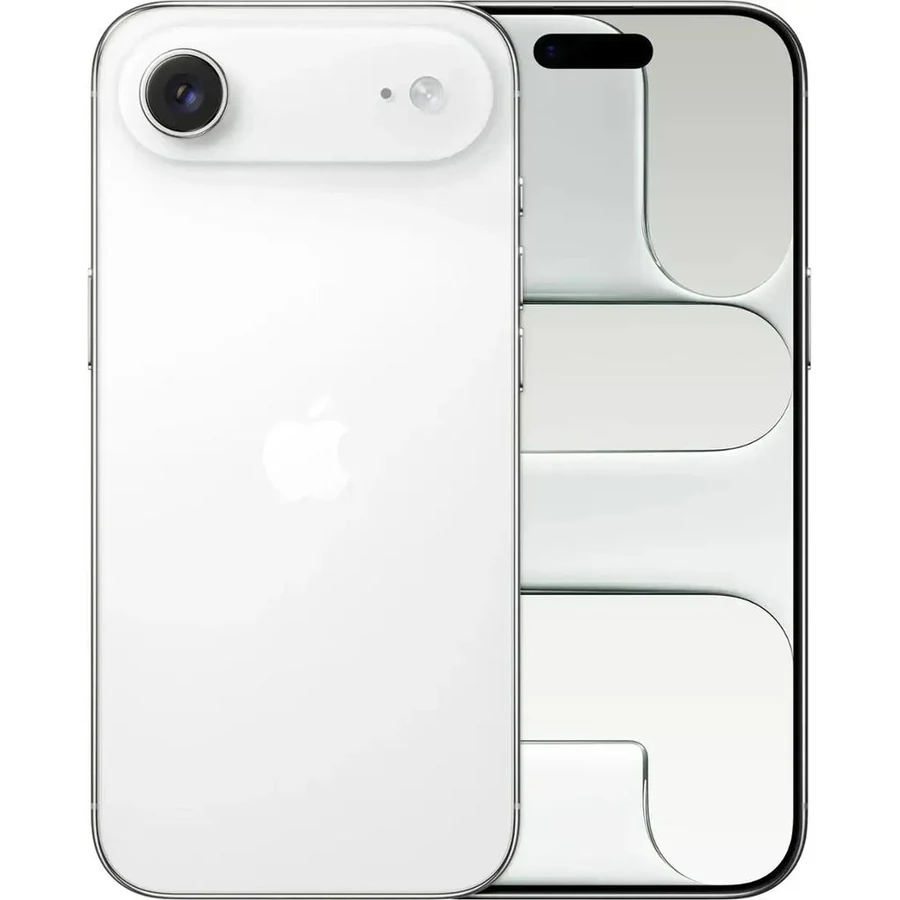
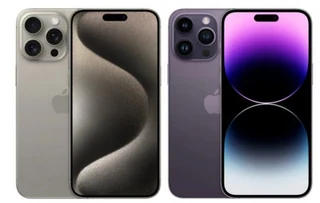
iPhone 14 Pro · E wātea ana ki ngā whatunga katoa vs iPhone Air · E wātea ana ki ngā whatunga katoa

  • Pūtāhui kotahi tau
  • Shipping rates shown at checkout
  • Ka taea te whakahoki i roto i ngā rā 14 (ka pā ngā tikanga tuku whakahoki)
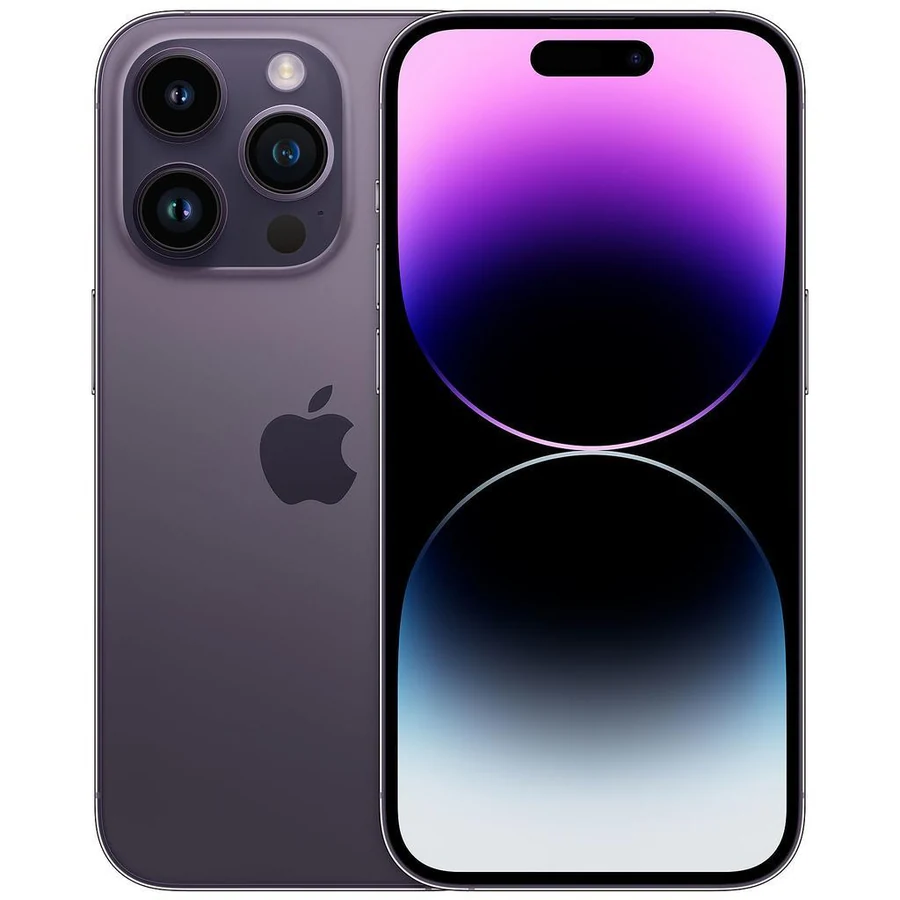
iPhone 14 Pro · E wātea ana ki ngā whatunga katoa
Mai i

Utu mō te mea kua whakahoungia:USD 150 $

Utu mō te mea hou · USD 999 $

Tirohia ngā kōwhiringa
iPhone Air · E wātea ana ki ngā whatunga katoa
Mai i

Utu mō te mea kua whakahoungia:USD 269 $

Utu mō te mea hou · USD 1099 $

Tirohia ngā kōwhiringa

He tirohanga poto ki ngā rerekētanga

The iPhone 14 Pro (2022) and the iPhone Air (2025) represent two distinct approaches to smartphone design within Apple's ecosystem. While the iPhone 14 Pro focuses on a compact, feature-rich multi-camera setup, the iPhone Air prioritizes an ultra-thin physical profile and a larger display. Both devices run modern versions of iOS and offer distinct user experiences tailored to different handling and feature preferences.

Ngā tauira e wātea ana

Tae

Storage (GB)

Ngā kaute

Te pakari

Comparing the release timelines reveals a three-year gap, with the iPhone Air benefiting from a more recent debut and a longer remaining software support window. Both devices handle system updates smoothly, though hardware longevity varies by age and component design.

  • Software Support: The newer iPhone Air enjoys an extended timeline for receiving system updates compared to the iPhone 14 Pro.
  • Repairability: Both models feature standard modular internal layouts, though authorized service options remain consistent across both choices.
  • Expected Lifespan: Users can expect robust daily longevity from both models, with the newer release offering slightly more future headroom for demanding OS updates.

Te tau i tukuna ai

2022

2025

Te pūnaha whakahaere hototahi hōu rawa

Āe

Āe

Pūnaha whakahaere

iOS

iOS

Foldable

Kāo

Kāo

Te kaha mahi

Underneath the exterior, both devices manage demanding applications and multitasking seamlessly, though their internal resource allocations differ. Users will find everyday navigation and heavy workflows responsive across the board.

  • Multitasking and Memory: The iPhone Air provides larger memory capacity to keep background apps active, while the iPhone 14 Pro handles daily workloads efficiently with its established configuration.
  • Battery Behavior: The ultra-thin design of the iPhone Air houses a compact power cell that meets standard daily needs, whereas the slightly thicker frame of the iPhone 14 Pro accommodates robust battery endurance for typical usage.
  • System Responsiveness: App switching, web browsing, and heavy task execution remain swift and fluid on both devices.

Te kounga o te mata

Visual output differs primarily in physical dimensions and peak outdoor luminance capabilities, while both maintain high refresh rates for smooth scrolling. Each device delivers sharp, color-accurate viewing for media consumption.

  • Display Technology: Both models utilize vibrant OLED panels equipped with high contrast ratios and deep black levels.
  • Size and Format: The iPhone Air offers a larger viewing canvas at 6.5 inches, whereas the iPhone 14 Pro provides a more compact 6.1-inch footprint for easier one-handed reach.
  • Outdoor Visibility: High peak brightness levels ensure text and images remain legible under direct sunlight on both smartphones.

Taumira

1179 x 2556

2736x1260

Te momo mata

LTPO Super Retina XDR OLED

Super Retina XDR

Te ataata me te oro

Media capture and audio playback configurations diverge significantly between these two choices, reflecting their distinct physical design goals. Users must weigh multi-lens versatility against a streamlined single-camera approach.

  • Camera Systems: The iPhone 14 Pro features a versatile triple-lens array including a dedicated telephoto zoom, while the iPhone Air relies on a single high-resolution primary lens setup.
  • Video and Low-Light: Both models capture detailed video with stabilization, though the multi-lens system on the iPhone 14 Pro offers greater framing flexibility.
  • Audio Output: Media playback and speaker clarity differ due to internal acoustic chamber constraints, with both providing clear sound for calls and casual listening.

Kāmera matua

48 megapixels

48 megapixels

Kāmera o mua

12 megapixels

18 megapixels

Ētahi atu āhuatanga

Physical dimensions and connectivity standards highlight the generational gap in engineering priorities. Handling feel and daily ergonomics vary substantially between the two models.

  • Handling and Weight: The iPhone Air emphasizes a featherlight, ultra-slim chassis, whereas the iPhone 14 Pro presents a denser, heavier feel due to its stainless steel and glass build.
  • Port and Connectivity: The iPhone Air adopts modern wireless standards and a standard data port layout, matching the functional connectivity expectations of contemporary users.
  • Biometrics: Both devices utilize secure facial recognition systems integrated neatly into their respective display cutouts.

Taumaha

7 oz

Not available

Te rahi o te mata (inihi)

6.1

6.5

Whatunga

5G

5G

Kāri SIM

eSIM

eSIM

Carrier compatibility

E wātea ana ki ngā whatunga katoa

E wātea ana ki ngā whatunga katoa

Tūhono

Lightning

USB-C

Ngā whakaaro o te hapori

Choosing between these two smartphones depends heavily on personal preferences regarding physical form and feature sets. Users prioritizing an ultra-slim, lightweight profile with a larger viewing area will find the iPhone Air well-suited to their daily routine. Conversely, users who value a compact form factor alongside a versatile multi-lens camera system may prefer the iPhone 14 Pro.

Reviewers and community members frequently praise the iPhone Air for its remarkable thinness, while noting that its streamlined camera suite requires a compromise on optical zoom. Meanwhile, the iPhone 14 Pro receives consistent approval for its robust build and flexible photography options, balanced against a heavier weight in the hand. Opting for a quality-assured refurbished option provides an eco-friendly alternative that extends device lifecycles while supporting more sustainable technology consumption habits.

Ā mātou whakataurite hou

WhatsApp