Compare models

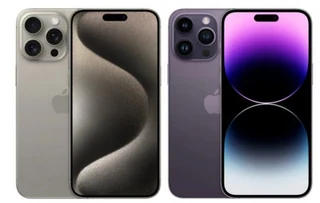
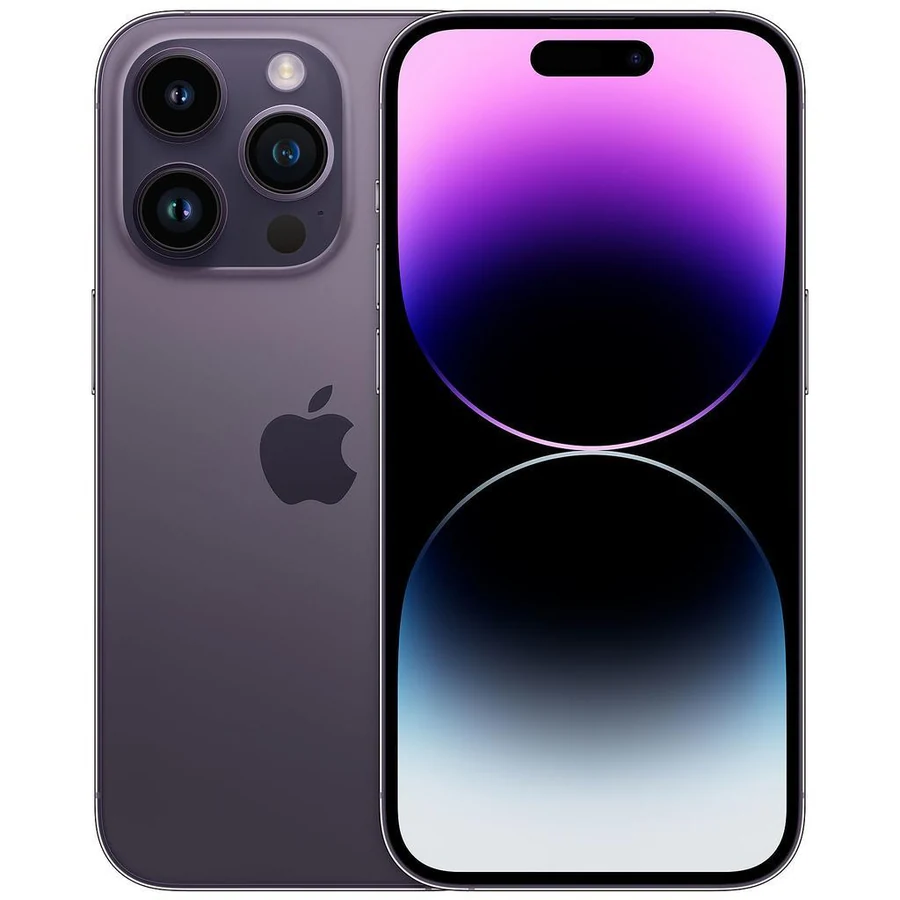
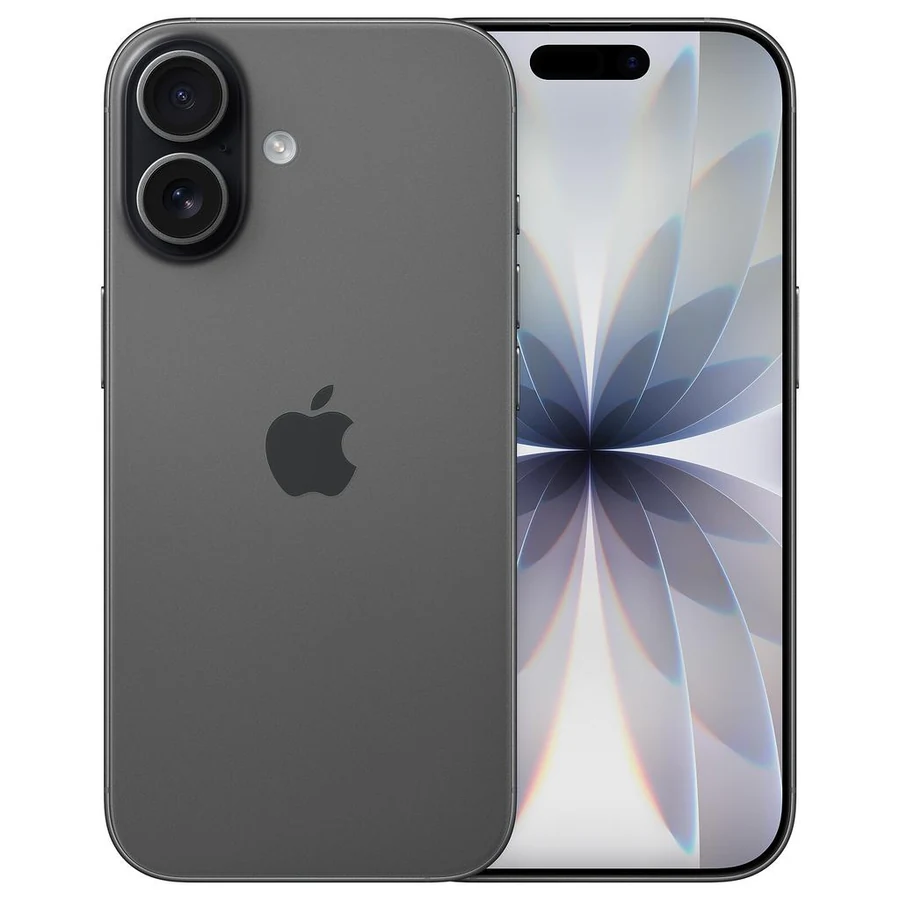
iPhone 14 Pro · E wātea ana ki ngā whatunga katoa vs iPhone 17 · E wātea ana ki ngā whatunga katoa

  • Pūtāhui kotahi tau
  • Shipping rates shown at checkout
  • Ka taea te whakahoki i roto i ngā rā 14 (ka pā ngā tikanga tuku whakahoki)
iPhone 14 Pro · E wātea ana ki ngā whatunga katoa
Mai i

Utu mō te mea kua whakahoungia:USD 150 $

Utu mō te mea hou · USD 999 $

Tirohia ngā kōwhiringa
iPhone 17 · E wātea ana ki ngā whatunga katoa
Mai i

Utu mō te mea kua whakahoungia:USD 249 $

Utu mō te mea hou · USD 929 $

Tirohia ngā kōwhiringa

He tirohanga poto ki ngā rerekētanga

The iPhone 14 Pro (2022) and the iPhone 17 (2025) represent different generations and tiers within Apple's smartphone lineup. While the iPhone 14 Pro brings professional-grade build characteristics and a dedicated third camera lens, the newer iPhone 17 introduces a larger screen, updated internal processing, and modern connectivity standards. Both devices run on iOS and feature intuitive interfaces, though they cater to distinct feature preferences through their hardware updates.

Ngā tauira e wātea ana

Tae

Storage (GB)

Ngā kaute

Te pakari

When evaluating structural longevity, both models offer distinct timelines based on their respective release years and software support cycles.

  • Release timeline and support: The iPhone 14 Pro debuted in 2022, while the iPhone 17 launched in 2025, giving the newer model a three-year advantage in total expected software update longevity.
  • Build durability: Both devices feature robust water resistance ratings and durable glass construction, though users seeking a quality-assured refurbished option from RefurbLane will find both models thoroughly tested for reliable daily operation.
  • Expected practical lifespan: The iPhone 17 benefits from more recent hardware engineering, ensuring extended support for future operating system updates compared to its older counterpart.

Te tau i tukuna ai

2022

2025

Te pūnaha whakahaere hototahi hōu rawa

Āe

Āe

Pūnaha whakahaere

iOS

iOS

Foldable

Kāo

Kāo

Te kaha mahi

Day-to-day operation and multitasking behavior differ noticeably between these two generations due to hardware refinements.

  • System responsiveness: The iPhone 17 handles demanding apps, heavy multitasking, and modern gaming smoothly thanks to its current-generation processor and increased RAM allocation.
  • Storage configurations: The iPhone 14 Pro starts at lower baseline storage capacities, whereas the iPhone 17 begins with larger storage tiers to accommodate media-heavy workflows.
  • Battery behavior: Users report that both devices manage typical daily usage well, though the newer internal components in the iPhone 17 contribute to optimized energy efficiency during extended tasks.

Te kounga o te mata

Viewing experiences vary across these devices regarding physical dimensions, panel technology, and peak brightness capabilities.

  • Display size and panel: The iPhone 17 offers a slightly larger 6.3-inch OLED display compared to the 6.1-inch panel on the iPhone 14 Pro, while both deliver deep blacks and vibrant colors.
  • Refresh rate smoothness: Both devices support high refresh rates for fluid scrolling, though the newer panel technology on the iPhone 17 provides enhanced energy efficiency.
  • Outdoor visibility: High peak brightness levels on both models ensure clear readability under direct sunlight, making them practical for outdoor navigation and media viewing.

Taumira

1179 x 2556

2622x1206

Te momo mata

LTPO Super Retina XDR OLED

Super Retina XDR

Te ataata me te oro

Optics and media playback capabilities differ depending on whether users prioritize telephoto reach or general everyday recording.

  • Camera systems: The iPhone 14 Pro features a triple-lens setup including a dedicated optical zoom lens, whereas the iPhone 17 utilizes a dual-lens system optimized for high-resolution wide and ultra-wide shots.
  • Low-light photography: Both models capture detailed images in challenging lighting conditions, though image processing software updates on the newer device refine clarity and color accuracy.
  • Video and audio output: Stereo speakers and microphone arrays on both smartphones deliver clear audio for phone calls and media consumption, supported by stable video stabilization modes.

Kāmera matua

48 megapixels

48 megapixels

Kāmera o mua

12 megapixels

18 megapixels

Ētahi atu āhuatanga

Physical dimensions and connectivity standards shape the everyday handling and utility of each smartphone.

  • Connectivity standards: The iPhone 17 incorporates newer wireless communication protocols, including advanced Wi-Fi and Bluetooth standards, compared to the iPhone 14 Pro.
  • Handling and weight: The iPhone 14 Pro utilizes a stainless steel frame that adds noticeable weight, whereas the iPhone 17 features a lighter aluminum frame for more comfortable one-handed use.
  • Physical ports: The iPhone 14 Pro relies on a Lightning connector, while the iPhone 17 adopts the universally accepted USB-C port for charging and data transfer.

Taumaha

7 oz

6.24 oz (177 g)

Te rahi o te mata (inihi)

6.1

6.3

Whatunga

5G

5G

Kāri SIM

eSIM

eSIM

Carrier compatibility

E wātea ana ki ngā whatunga katoa

E wātea ana ki ngā whatunga katoa

Tūhono

Lightning

USB-C

Ngā whakaaro o te hapori

Choosing between these two smartphones depends heavily on individual feature preferences and everyday usage habits. Users prioritizing a dedicated telephoto zoom lens and a heavier, stainless steel build often lean toward the iPhone 14 Pro. Conversely, users prioritizing a larger screen, a lightweight aluminum frame, USB-C connectivity, and extended software support tend to favor the iPhone 17. Selecting a quality-assured refurbished option through RefurbLane provides a sustainable and reliable path to owning either device.

Ultimately, both models offer capable performance, responsive displays, and robust daily utility tailored to different user priorities without clear industry ranking.
Ā mātou whakataurite hou

WhatsApp