
Compare models
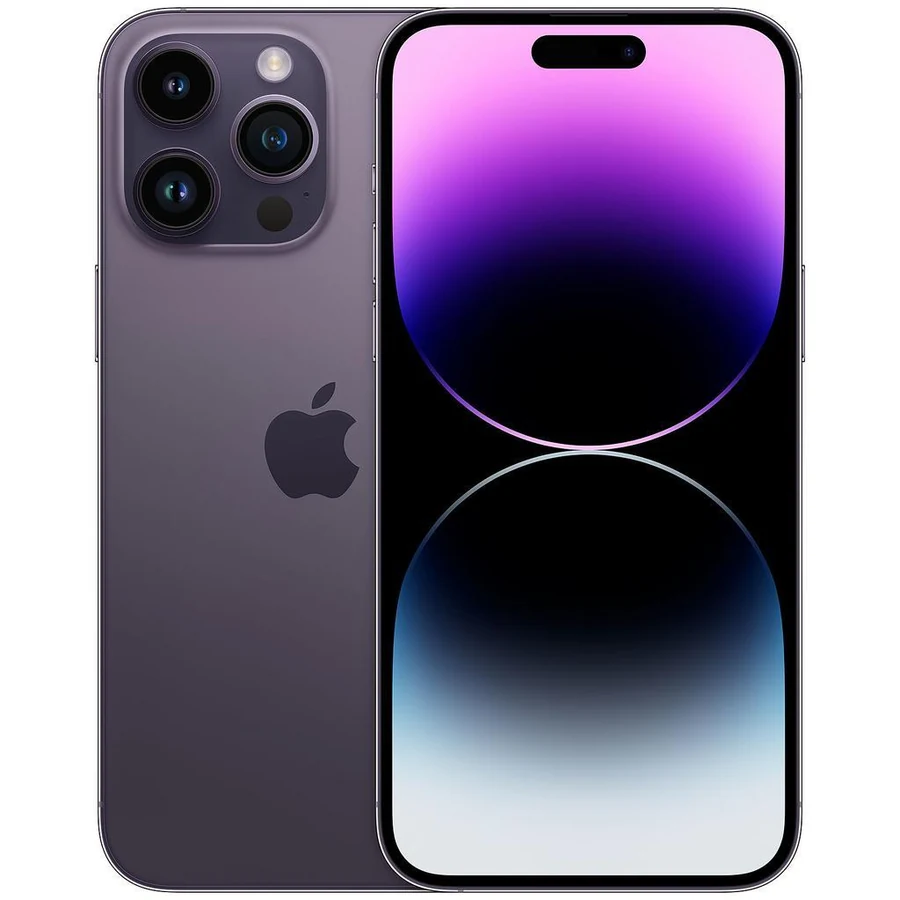
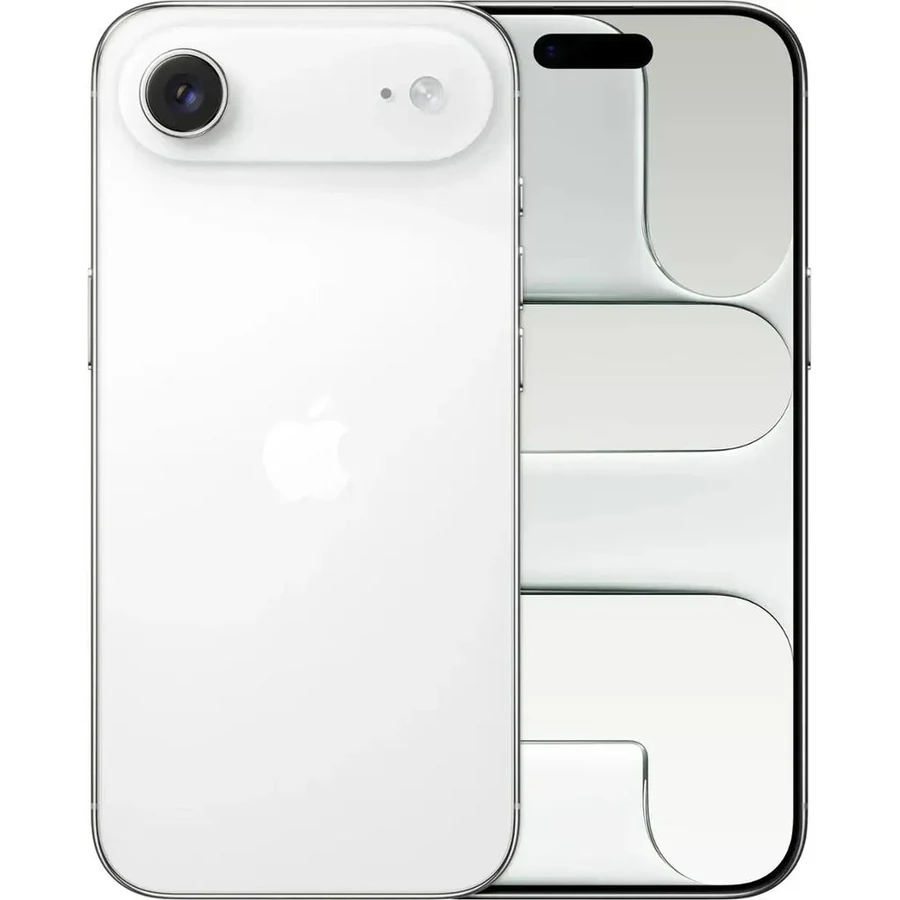
iPhone 14 Pro Max · Débloqué vs iPhone Air · Débloqué
- Garantie d’un an
- Shipping rates shown at checkout
- Retours sous 14 jours (conditions de renvoi applicables)
Les différences en un coup d’œil
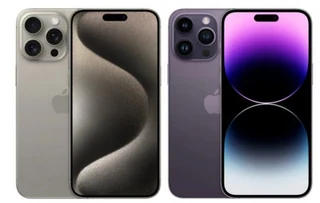
The iPhone 14 Pro Max (2022) and the iPhone Air (2025) represent two distinct philosophies within Apple's smartphone lineup, contrasting an established flagship powerhouse with a design-focused lightweight alternative. While both run on iOS and offer large, high-resolution screens, they differ significantly in their release timelines, physical construction, and internal processing capabilities. This comparison highlights these practical differences to help you decide which device aligns with your daily routine.
Modèles disponibles
Couleur
Storage (GB)
Notes
Durabilité
When evaluating longevity, the release timeline and expected software support windows play a vital role in determining how long each device will remain current. Both models receive regular operating system updates, though their launch years mean different remaining lifespans.
- Release timeline and software support: The iPhone 14 Pro Max debuted in 2022, whereas the iPhone Air arrived in 2025, giving the newer model a prolonged window for future software updates and security patches.
- Build durability and repairability: Both devices feature resilient outer shells and advanced glass protection, though the newer iPhone Air benefits from revised internal engineering and modern structural adhesives designed for straightforward component servicing.
Année de sortie
2022
2025
Dernier système compatible
Oui
Oui
Système d’exploitation
iOS
iOS
Foldable
Non
Non
Performances
Underneath the exterior, these devices handle demanding workloads differently based on their internal hardware generations and thermal layouts, impacting everything from app loading times to sustained multitasking.
- Processor capabilities and responsiveness: The iPhone Air handles intensive applications, graphic-heavy gaming, and background tasks with noticeable fluidity thanks to its later-generation internal processing architecture, while the iPhone 14 Pro Max manages daily tasks and productivity apps capably.
- Battery behavior and memory: The iPhone 14 Pro Max relies on a larger physical housing to accommodate a higher-capacity battery for extended daily usage, whereas the iPhone Air balances a slim profile with efficiency improvements to sustain typical everyday routines.
Qualité de l’écran
Visual output is a core component of both smartphones, featuring advanced display panels designed for crisp text, vibrant media consumption, and smooth scrolling.
- Display technology and clarity: Both smartphones utilize OLED panels with high pixel densities, delivering deep blacks, sharp contrast, and accurate color reproduction for everyday viewing.
- Brightness and refresh rates: The iPhone Air reaches higher peak outdoor brightness levels and supports an adaptive refresh rate scaling up to 120Hz, matching the smooth scrolling performance and responsive touch feedback found on the iPhone 14 Pro Max.
Résolution
1290 x 2796
2736x1260
Type d’écran
LTPO Super Retina XDR OLED
Super Retina XDR
Image et son
Photography and media recording capabilities vary noticeably between these models, catering to different content creation needs and everyday capture preferences.
- Camera system versatility: The iPhone 14 Pro Max features a multi-lens rear camera setup including a dedicated telephoto lens for optical zoom, while the iPhone Air streamlines photography with a single high-resolution main camera system.
- Video and audio output: Both models support high-resolution video recording with advanced stabilization features, though users prioritizing multi-perspective framing or robust built-in speaker configurations will find distinct acoustic qualities between the two designs.
Appareil photo principal
48 megapixels
48 megapixels
Caméra avant
12 megapixels
18 megapixels
Autres caractéristiques
Practical everyday elements such as physical dimensions, connectivity standards, and daily handling characteristics help define how each phone feels in hand.
- Handling and physical dimensions: The iPhone Air prioritizes an exceptionally thin and lightweight profile for comfortable pocketability, whereas the iPhone 14 Pro Max adopts a heavier, wider footprint to house its larger battery and screen.
- Connectivity and ports: Both devices support modern 5G cellular networks and wireless standards, with the iPhone Air utilizing a universal USB-C port alongside advanced digital eSIM technology.
Poids
8 oz
Not available
Diagonale de l’écran (pouces)
6.7
6.5
Réseau
5G
5G
Carte SIM
eSIM
eSIM
Carrier compatibility
Débloqué
Débloqué
Connecteur
Lightning
USB-C
L’avis de la communauté
User feedback from online communities highlights distinct preferences for each device. Owners of the iPhone 14 Pro Max frequently praise its reliable battery endurance and versatile multi-lens camera array, though some note its heavier weight during prolonged one-handed use. Conversely, users favor the iPhone Air for its exceptionally thin profile and lightweight handling, while noting the trade-off of having a single rear camera and a leaner battery capacity.
Users prioritizing maximum physical lightness, a modern slim aesthetic, and streamlined everyday handling will find the iPhone Air well-suited to their needs. Meanwhile, users who value a multi-lens camera setup with optical zoom and extended battery capacity may lean toward the iPhone 14 Pro Max. Choosing a quality-assured refurbished option through RefurbLane provides a sustainable choice that extends device lifecycles while matching your performance priorities.