
Compare models
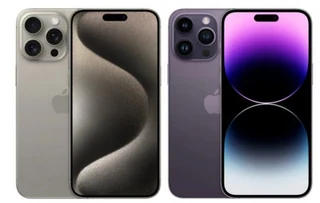
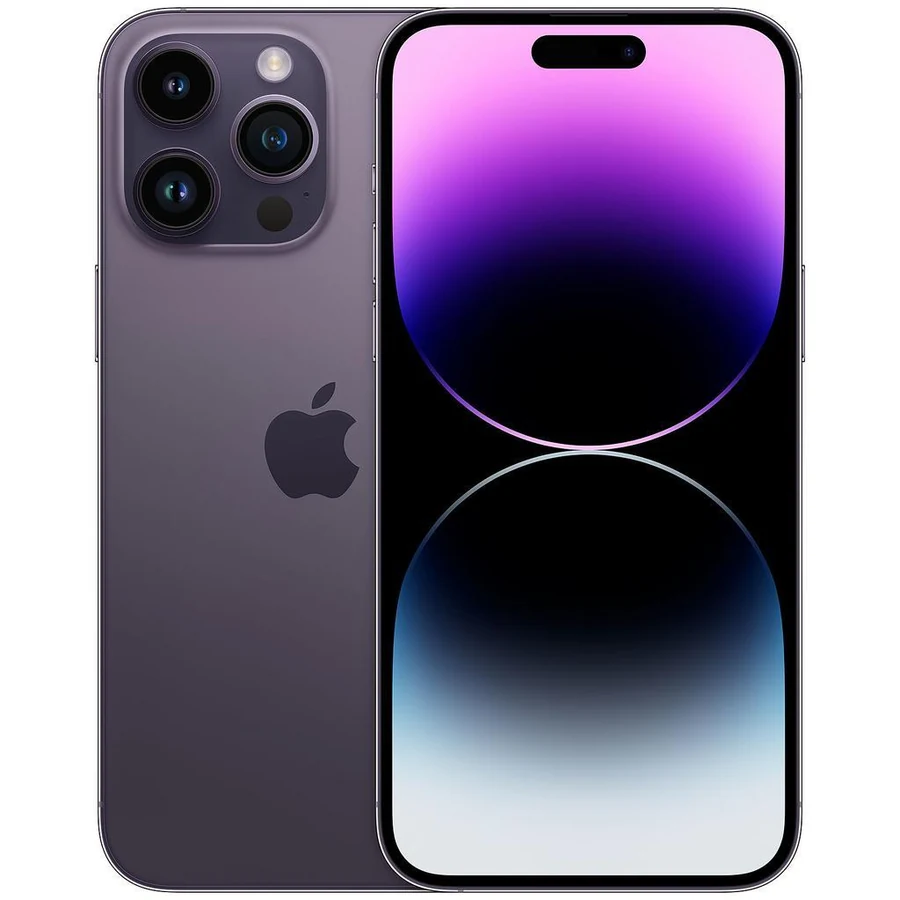
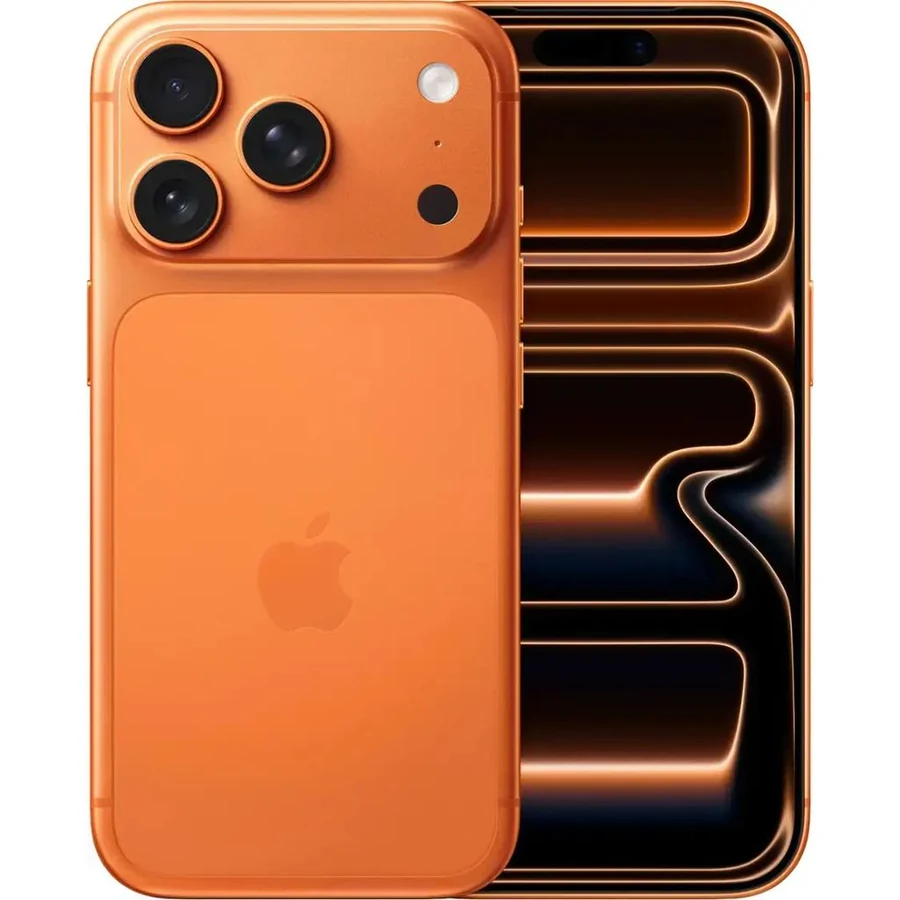
iPhone 14 Pro Max · E wātea ana ki ngā whatunga katoa vs iPhone 17 Pro · E wātea ana ki ngā whatunga katoa
- Pūtāhui kotahi tau
- Shipping rates shown at checkout
- Ka taea te whakahoki i roto i ngā rā 14 (ka pā ngā tikanga tuku whakahoki)
He tirohanga poto ki ngā rerekētanga
Kei te whakataurite i raro nei ngā whirihoranga taketake a ngā kaiwhakarato whatunga pūkoro. Kua wetekina ngā pūrere e rua e hokona ana ki tēnei whārangi kia taea ai te whakamahi ki ētahi atu whatunga.
The iPhone 14 Pro Max (2022) and the iPhone 17 Pro (2025) represent different generations of Apple's flagship smartphone lineup. While both devices deliver high-end features and capabilities, they differ significantly in age, internal hardware generation, physical dimensions, and carrier status, with the iPhone 14 Pro Max locked to AT&T and the iPhone 17 Pro available as an unlocked device. Both models run the iOS operating system, though the newer model benefits from a more extended software lifecycle.
Ngā tauira e wātea ana
Tae
Storage (GB)
Ngā kaute
Te pakari
When evaluating longevity and durability, these two devices reflect a three-year gap in release timelines that influences their remaining support window and physical wear expectations.
- Release timeline and software support: The iPhone 14 Pro Max launched in late 2022, while the iPhone 17 Pro arrived in late 2025. Consequently, the iPhone 17 Pro receives software updates for several years longer.
- Build materials and physical protection: The newer device incorporates an updated generation of scratch-resistant front and back glass protection alongside an aluminum structure, whereas the older model features textured matte glass paired with a stainless steel frame.
- Expected practical lifespan: Both smartphones handle routine demands reliably, but the iPhone 17 Pro offers a more extended window of peak software compatibility and long-term hardware relevance.
Te tau i tukuna ai
2022
2025
Te pūnaha whakahaere hototahi hōu rawa
Āe
Āe
Pūnaha whakahaere
iOS
iOS
Foldable
Kāo
Kāo
Te kaha mahi
Underneath the surface, processing capabilities and memory allocations differ to accommodate evolving mobile applications and multitasking requirements.
- System responsiveness: The iPhone 17 Pro handles demanding applications, high-end mobile gaming, and intensive background tasks with enhanced thermal efficiency, while the iPhone 14 Pro Max manages everyday multitasking smoothly.
- Memory and storage configurations: The newer model features double the baseline storage capacity and a higher amount of RAM to support complex background processes, compared to the baseline configurations found on the older variant.
- Battery behavior: The iPhone 17 Pro incorporates power-efficient internal components that sustain full-day usage comfortably under mixed conditions, matching the reliable all-day battery reputation of the larger-bodied iPhone 14 Pro Max.
Te kounga o te mata
Visual output and physical display dimensions create distinct viewing experiences tailored to different handling preferences.
- Display size and footprint: The iPhone 14 Pro Max offers a large 6.7-inch screen suited for media consumption, while the iPhone 17 Pro utilizes a more compact 6.3-inch display that improves single-handed reach.
- Outdoor visibility: Both models utilize bright OLED technology with high refresh rates for smooth scrolling, though peak outdoor brightness levels are higher on the newer generation.
- Clarity and detail: Text rendering and image sharpness remain crisp and clear across both screens, supporting detailed photo viewing and video playback.
Taumira
1290 x 2796
2622x1206
Te momo mata
LTPO Super Retina XDR OLED
Super Retina XDR
Te ataata me te oro
Imaging hardware and audio recording capabilities have evolved to provide greater flexibility for everyday creators and casual users alike.
- Camera sensor resolution: The iPhone 17 Pro upgrades to high-resolution sensors across its entire triple-lens rear array, allowing for sharper detail capture compared to the mixed-resolution setup on the iPhone 14 Pro Max.
- Zoom capabilities: The newer model provides extended optical-quality zoom ranges, whereas the older device relies on a shorter telephoto optical range.
- Audio and video tools: Both devices record detailed high-definition video with spatial audio capture, though the iPhone 17 Pro introduces advanced professional recording formats and an improved front-facing camera system.
Kāmera matua
48 megapixels
48 megapixels
Kāmera o mua
12 megapixels
18 megapixels
Ētahi atu āhuatanga
Practical daily usability elements, including connectivity standards and physical characteristics, set the two devices apart during everyday handling.
- Carrier flexibility: The iPhone 17 Pro comes completely E wātea ana ki ngā whatunga katoa for use with any compatible network provider, whereas the iPhone 14 Pro Max is permanently locked to the AT&T network.
- Weight and physical handling: The iPhone 14 Pro Max is noticeably heavier and wider due to its larger screen size and stainless steel build, while the iPhone 17 Pro provides a lighter, more balanced feel in the hand.
- Connectivity and ports: Both models utilize modern charging and data connection standards, alongside rapid cellular data capabilities and secure facial recognition sensors.
Taumaha
8 oz
Not available
Te rahi o te mata (inihi)
6.7
6.3
Whatunga
5G
5G
Kāri SIM
eSIM
eSIM
Carrier compatibility
E wātea ana ki ngā whatunga katoa
Tūhono
Lightning
USB-C
Ngā whakaaro o te hapori
Users evaluating these devices often note that the iPhone 14 Pro Max remains a capable, large-screen device with solid build quality, though some find its heavier weight and carrier restriction limiting. Conversely, the iPhone 17 Pro receives praise for its lighter unibody design, extended battery efficiency, and unlocked flexibility, though users transitioning from larger screens sometimes note the smaller physical footprint. Choosing between them depends heavily on individual carrier needs and physical preferences.
Users requiring a large-format display and comfortable working within a specific carrier ecosystem may find the iPhone 14 Pro Max well-suited to their routine. Meanwhile, users prioritizing an unlocked device, a lighter physical profile, and extended software longevity will lean toward the iPhone 17 Pro. For those exploring sustainable tech habits, opting for a quality-assured refurbished option provides an eco-friendly alternative that aligns performance needs with environmental responsibility. Ultimately, each device serves different user profiles effectively without one universally superseding the other.