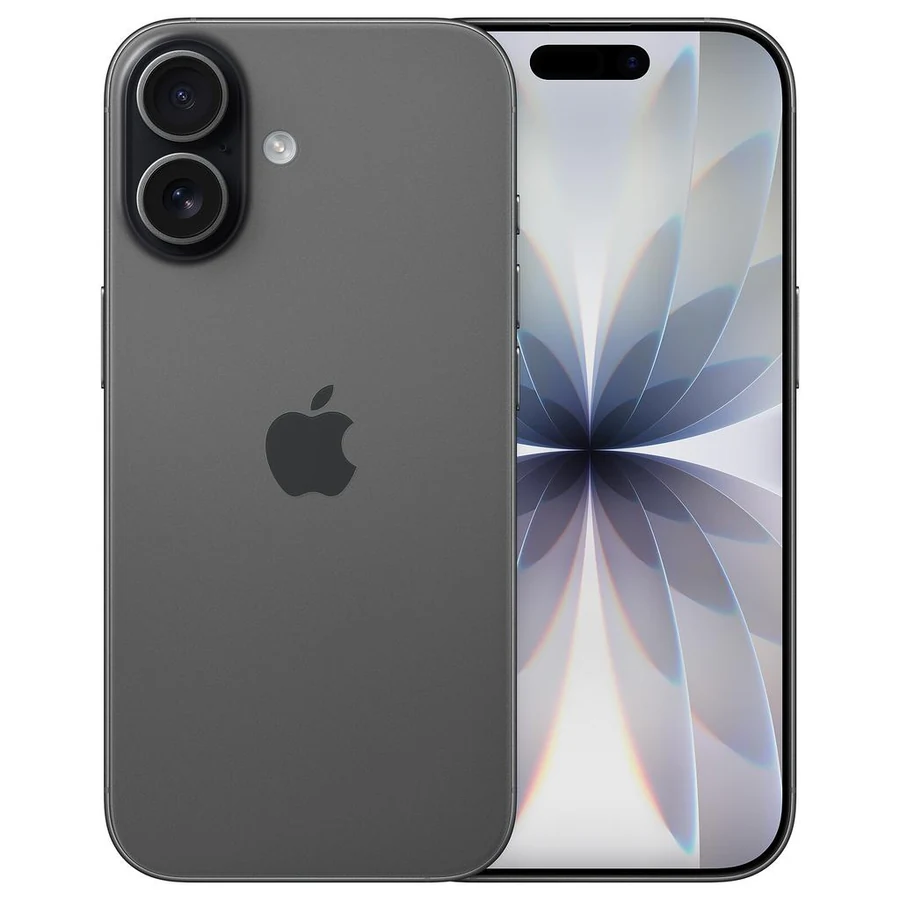
Compare models

iPhone 14 · E wātea ana ki ngā whatunga katoa vs iPhone 17 · E wātea ana ki ngā whatunga katoa

  • Pūtāhui kotahi tau
  • Shipping rates shown at checkout
  • Ka taea te whakahoki i roto i ngā rā 14 (ka pā ngā tikanga tuku whakahoki)
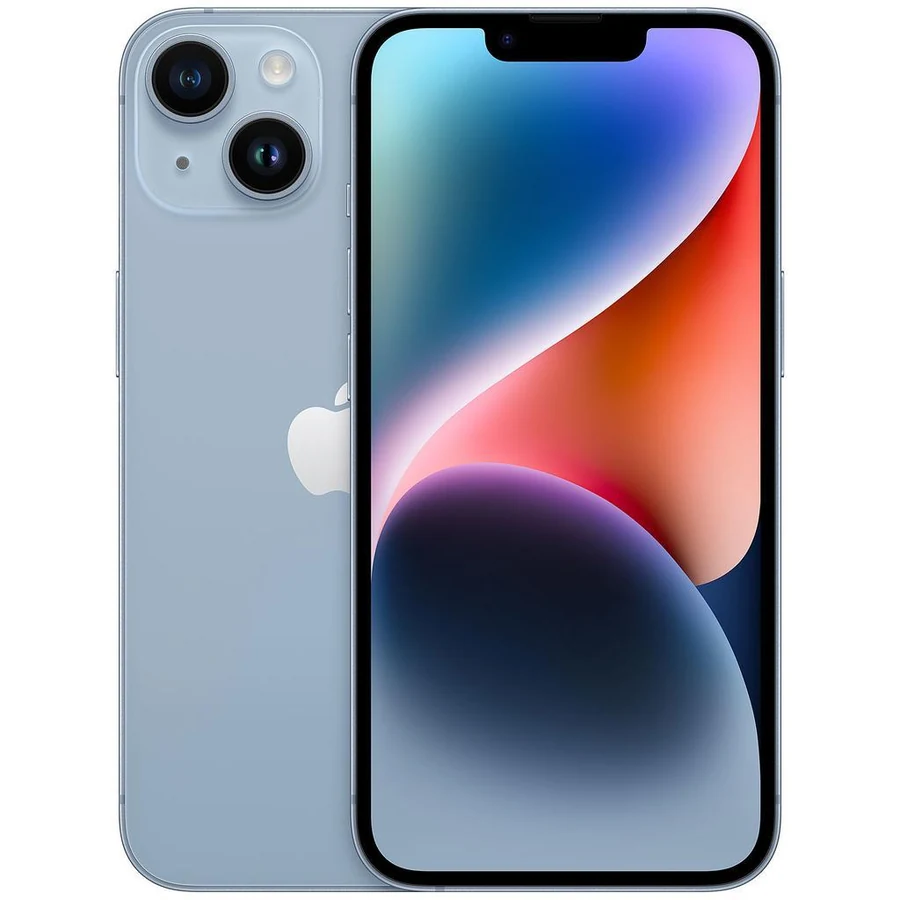
iPhone 14 · E wātea ana ki ngā whatunga katoa
Mai i

Utu mō te mea kua whakahoungia:USD 117 $

Utu mō te mea hou · USD 629 $

Tirohia ngā kōwhiringa
iPhone 17 · E wātea ana ki ngā whatunga katoa
Mai i

Utu mō te mea kua whakahoungia:USD 249 $

Utu mō te mea hou · USD 929 $

Tirohia ngā kōwhiringa

He tirohanga poto ki ngā rerekētanga

Kei te whakataurite i raro nei ngā whirihoranga taketake a ngā kaiwhakarato whatunga pūkoro. Kua wetekina ngā pūrere e rua e hokona ana ki tēnei whārangi kia taea ai te whakamahi ki ētahi atu whatunga.

The iPhone 14 (Locked AT&T) released in 2022 and the iPhone 17 (Unlocked) released in 2025 represent distinct generations of Apple's smartphone lineup. While both devices run on the iOS operating system and share familiar slate form factors, they differ notably in release timing, internal hardware capabilities, and carrier flexibility. Understanding these practical differences helps users determine which model aligns with their connectivity needs and usage habits.

Ngā tauira e wātea ana

Tae

Storage (GB)

Ngā kaute

Te pakari

The iPhone 14 and iPhone 17 span different release generations, influencing their total software support timeline and expected operational lifespan in daily use.

  • Release Timeline and Software Support: The iPhone 17 benefits from a more recent release year, granting it an extended software update window compared to the older iPhone 14, which launched three years prior.
  • Repairability and Build Longevity: Both models feature durable glass and metal construction alongside standard water resistance ratings, supporting long-term physical durability when handled carefully.
  • Practical Lifespan: Users seeking maximum software longevity and extended feature updates will find the newer generation better equipped for prolonged multi-year ownership.

Te tau i tukuna ai

2022

2025

Te pūnaha whakahaere hototahi hōu rawa

Āe

Āe

Pūnaha whakahaere

iOS

iOS

Foldable

Kāo

Kāo

Te kaha mahi

Daily operation and multitasking behavior vary across these two devices due to generational shifts in internal processing power and memory capacity.

  • Multitasking and App Responsiveness: The iPhone 17 incorporates increased memory capacity and a current-generation processor, resulting in smoother background app management and faster loading times for demanding software.
  • Battery Behavior: The iPhone 17 features a higher-capacity battery that sustains prolonged usage sessions, whereas the iPhone 14 handles daily tasks reliably but may require more frequent recharging during heavy workloads.
  • Storage Configurations: Both devices offer ample internal storage tiers for apps, photos, and media files, though baseline capacities reflect their respective release eras.

Te kounga o te mata

Visual presentation and display technology differ significantly, affecting overall viewing comfort and outdoor readability.

  • Display Technology and Refresh Rate: The iPhone 17 introduces an advanced high-refresh-rate OLED panel that delivers smoother scrolling and motion rendering, while the iPhone 14 utilizes a standard refresh-rate OLED screen.
  • Brightness and Clarity: Both models provide high-resolution Super Retina XDR panels with deep contrast levels, but the iPhone 17 achieves higher peak outdoor brightness for easier viewing under direct sunlight.
  • Screen Size and Experience: The iPhone 17 offers a slightly expanded display canvas with narrower bezels, enhancing media consumption without drastically altering overall device dimensions.

Taumira

1170 x 2532

2622x1206

Te momo mata

Super Retina XDR OLED

Super Retina XDR

Te ataata me te oro

Photography, video recording, and audio output capabilities reflect the technological advancements introduced between model generations.

  • Camera System Capabilities: The iPhone 17 equips upgraded dual rear sensors and an enhanced front-facing camera for sharper detail capture in diverse lighting conditions, compared to the reliable dual-camera layout on the iPhone 14.
  • Low-Light and Video Performance: Both devices manage everyday photos and stable video recording effectively, though the newer model processes low-light environments with improved clarity and reduced noise.
  • Media and Call Audio: Stereo speaker output and microphone clarity remain robust across both models, providing clear audio for hands-free calls and casual media playback.

Kāmera matua

12 megapixels

48 megapixels

Kāmera o mua

12 megapixels

18 megapixels

Ētahi atu āhuatanga

Practical physical traits and connectivity standards determine how each device integrates into daily routines and travel requirements.

  • Carrier Flexibility: The iPhone 17 is sold E wātea ana ki ngā whatunga katoa, allowing seamless switching between cellular providers, whereas the iPhone 14 variant is locked to the AT&T network and requires specific criteria fulfillment to change carriers.
  • Connectivity Standards: The iPhone 17 supports newer wireless communication protocols like Wi-Fi 7 and Bluetooth 6.0, offering faster data transfers compared to the Wi-Fi 6 and Bluetooth 5.3 standards found on the iPhone 14.
  • Physical Handling: Both smartphones maintain comfortable, pocket-friendly dimensions with similar aluminum and glass builds, though minor differences in weight and thickness apply.

Taumaha

6 oz

6.24 oz (177 g)

Te rahi o te mata (inihi)

6.1

6.3

Whatunga

5G

5G

Kāri SIM

eSIM

eSIM

Carrier compatibility

E wātea ana ki ngā whatunga katoa

E wātea ana ki ngā whatunga katoa

Tūhono

Lightning

USB-C

Ngā whakaaro o te hapori

User feedback from online forums highlights distinct preferences for each device based on practical everyday requirements. Owners of the iPhone 14 frequently praise its reliable core performance, dependable battery management during standard tasks, and familiar handling. However, some users note limitations regarding carrier restrictions on locked models and the slower refresh rate compared to newer industry standards. Conversely, users of the iPhone 17 emphasize appreciation for the fluid display motion, enhanced outdoor screen brightness, and the freedom of an unlocked device.

Users prioritizing network freedom, maximum software longevity, and advanced display smoothness may prefer the iPhone 17, while users content with established network providers and standard daily tasks can find the iPhone 14 well-suited to their needs. For those seeking an eco-friendly alternative, a quality-assured refurbished option provides a sustainable choice that extends device lifecycles without compromising on core performance capabilities.
Ā mātou whakataurite hou

WhatsApp