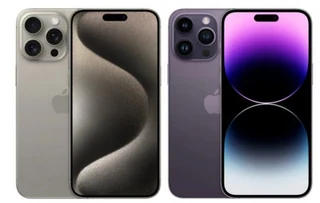
Compare models

iPhone 14 · E wātea ana ki ngā whatunga katoa vs iPhone 17 Pro · E wātea ana ki ngā whatunga katoa

  • Pūtāhui kotahi tau
  • Shipping rates shown at checkout
  • Ka taea te whakahoki i roto i ngā rā 14 (ka pā ngā tikanga tuku whakahoki)
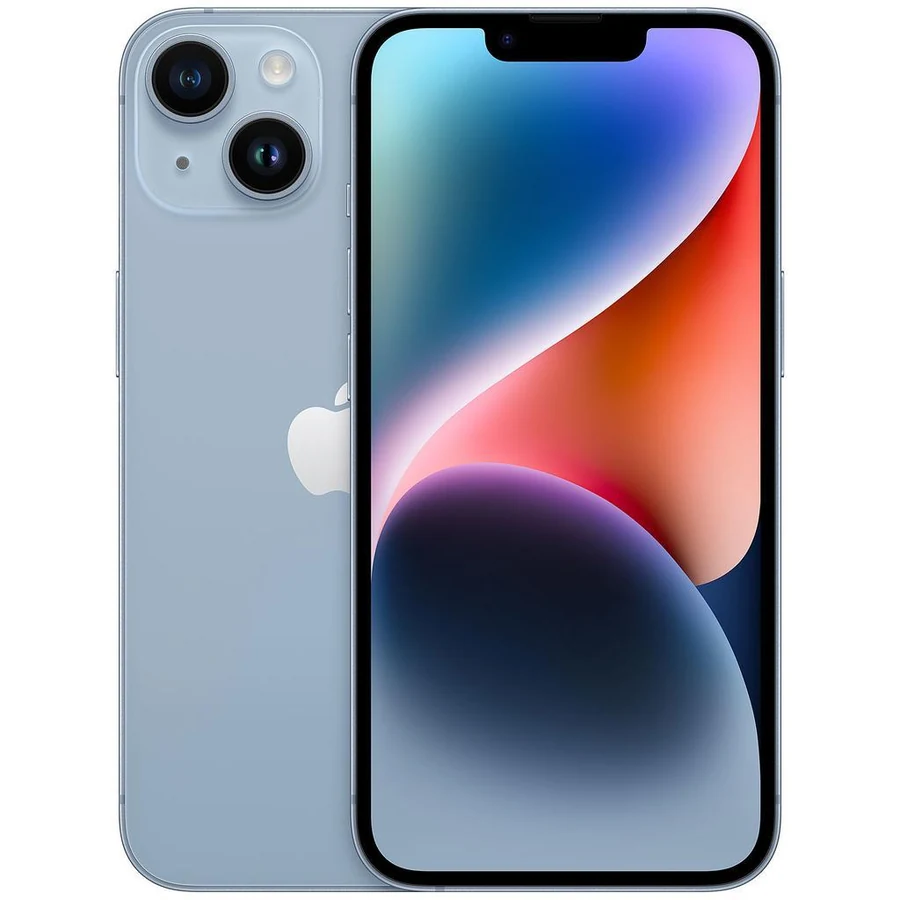
iPhone 14 · E wātea ana ki ngā whatunga katoa
Mai i

Utu mō te mea kua whakahoungia:USD 117 $

Utu mō te mea hou · USD 629 $

Tirohia ngā kōwhiringa
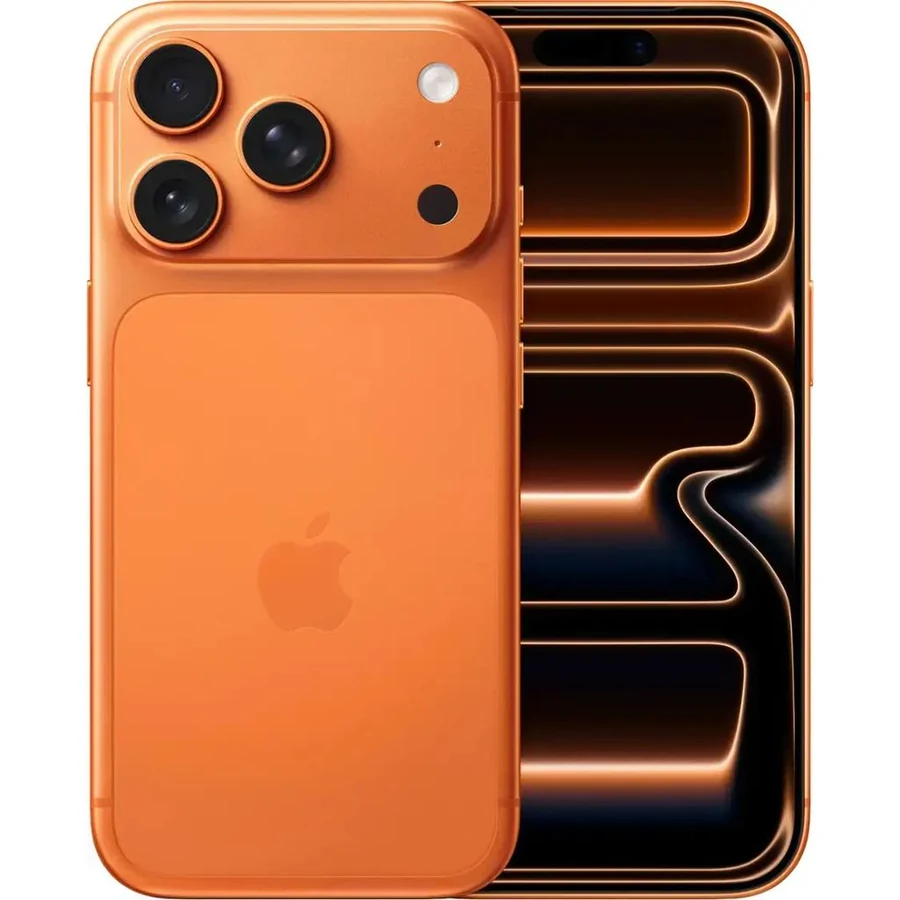
iPhone 17 Pro · E wātea ana ki ngā whatunga katoa
Mai i

Utu mō te mea kua whakahoungia:USD 326 $

Utu mō te mea hou · USD 1099 $

Tirohia ngā kōwhiringa

He tirohanga poto ki ngā rerekētanga

The iPhone 14 (2022) and iPhone 17 Pro (2025) represent different eras of Apple's smartphone engineering. While the iPhone 14 serves as a streamlined everyday device tied to specific carrier usage, the iPhone 17 Pro operates as a fully unlocked flagship loaded with advanced processing and professional-grade capabilities. Both models run on current versions of iOS, but their hardware differences establish distinct experiences for daily users.

Ngā tauira e wātea ana

Tae

Storage (GB)

Ngā kaute

Te pakari

When evaluating longevity, the iPhone 14 and iPhone 17 Pro differ significantly in their release timelines, software support horizons, and expected hardware endurance.

  • Software Support: The newer iPhone 17 Pro benefits from a more extended software update timeline, while the iPhone 14 approaches its mid-lifecycle phase. Both receive regular system updates, but the recent model will maintain feature compatibility for a longer duration.
  • Hardware Build & Repair: Both devices feature robust water and dust resistance alongside durable front glass protection. Standard maintenance and component replacements remain accessible through authorized repair channels for both models.
  • Lifespan Expectations: Users seeking long-term hardware readiness for future software developments will find the advanced internal architecture of the iPhone 17 Pro well-equipped to stay current over an extended number of years.

Te tau i tukuna ai

2022

2025

Te pūnaha whakahaere hototahi hōu rawa

Āe

Āe

Pūnaha whakahaere

iOS

iOS

Foldable

Kāo

Kāo

Te kaha mahi

System responsiveness and day-to-day multitasking capabilities vary between these two smartphones based on their internal hardware configurations and memory capacity.

  • Processing Capabilities: The iPhone 17 Pro handles demanding applications, high-end mobile gaming, and intensive multitasking smoothly thanks to its current-generation processor and generous memory allocation. The iPhone 14 manages daily tasks, messaging, and media streaming reliably with its proven processor architecture.
  • Battery Behavior: The iPhone 17 Pro incorporates a larger battery capacity designed to sustain heavy daily use throughout a full day, whereas the iPhone 14 relies on a smaller power cell that may require a midday recharge for intensive users.
  • Storage Configurations: The iPhone 17 Pro starts at higher baseline storage tiers suitable for large media libraries, while the iPhone 14 offers standard storage capacities tailored to moderate everyday file storage needs.

Te kounga o te mata

Viewing experiences differ notably due to variations in display technology, panel refresh rates, and peak outdoor illumination levels.

  • Display Technology: Both models utilize vibrant OLED panels with sharp resolutions, but the iPhone 17 Pro introduces an adaptive refresh rate reaching up to 120Hz for smoother scrolling compared to the fixed 60Hz rate on the iPhone 14.
  • Outdoor Visibility: The iPhone 17 Pro achieves significantly higher peak outdoor brightness levels, making on-screen content easier to read under direct sunlight than the iPhone 14 display.
  • Design and Size: The iPhone 17 Pro features slightly slimmer bezels surrounding a marginally larger screen size within a comparable physical footprint.

Taumira

1170 x 2532

2622x1206

Te momo mata

Super Retina XDR OLED

Super Retina XDR

Te ataata me te oro

Photography and media capture capabilities vary extensively, shifting from a straightforward dual-lens setup to a versatile triple-lens professional array.

  • Camera Systems: The iPhone 14 features a reliable dual-lens rear camera setup suited for casual snapshots and standard video recording. The iPhone 17 Pro equips a triple high-resolution lens array with advanced optical zoom capabilities and flexible framing options.
  • Low-Light and Video: The iPhone 17 Pro captures sharper details in challenging lighting environments and supports advanced professional video codecs, while the iPhone 14 delivers dependable everyday photos and stable 4K video clips.
  • Audio and Media Output: Stereo speaker output on both devices provides clear sound for media playback, though the iPhone 17 Pro offers a richer spatial audio experience during video viewing.

Kāmera matua

12 megapixels

48 megapixels

Kāmera o mua

12 megapixels

18 megapixels

Ētahi atu āhuatanga

Kei te whakataurite i raro nei ngā whirihoranga taketake a ngā kaiwhakarato whatunga pūkoro. Kua wetekina ngā pūrere e rua e hokona ana ki tēnei whārangi kia taea ai te whakamahi ki ētahi atu whatunga.

Practical physical characteristics, network connectivity standards, and daily handling elements shape the overall user experience of each smartphone.

  • Connectivity & Network: The iPhone 17 Pro comes entirely E wātea ana ki ngā whatunga katoa, offering flexibility across multiple carriers alongside modern Wi-Fi standards. The iPhone 14 model referenced here is locked to AT&T, requiring specific carrier service guidelines.
  • Physical Dimensions: Both devices share similar pocket-friendly widths and heights, though the iPhone 17 Pro carries a slightly heavier weight due to its more robust internal component layout.
  • Security and Biometrics: Both models utilize responsive facial recognition technology for secure device unlocking and authorization tasks.

Taumaha

6 oz

Not available

Te rahi o te mata (inihi)

6.1

6.3

Whatunga

5G

5G

Kāri SIM

eSIM

eSIM

Carrier compatibility

E wātea ana ki ngā whatunga katoa

E wātea ana ki ngā whatunga katoa

Tūhono

Lightning

USB-C

Ngā whakaaro o te hapori

Choosing between these two smartphones depends heavily on individual usage habits, network preferences, and hardware priorities. Users prioritizing top-tier processing power, high refresh rate viewing, and flexible carrier freedom will find the iPhone 17 Pro well-suited to their requirements. Conversely, users seeking a straightforward, reliable daily device for standard communication and media consumption often lean toward the iPhone 14. For those exploring sustainable tech habits, a quality-assured refurbished option provides an eco-friendly alternative that reduces electronic waste without compromising on core functionality. Ultimately, balancing carrier constraints against hardware capabilities ensures a satisfying long-term choice.
Ā mātou whakataurite hou

WhatsApp