Compare models

iPhone 13 · Libre vs iPhone 14 · Libre

  • Garantía de un año
  • Shipping rates shown at checkout
  • Devoluciones en 14 días (se aplican las condiciones de envío de devolución)
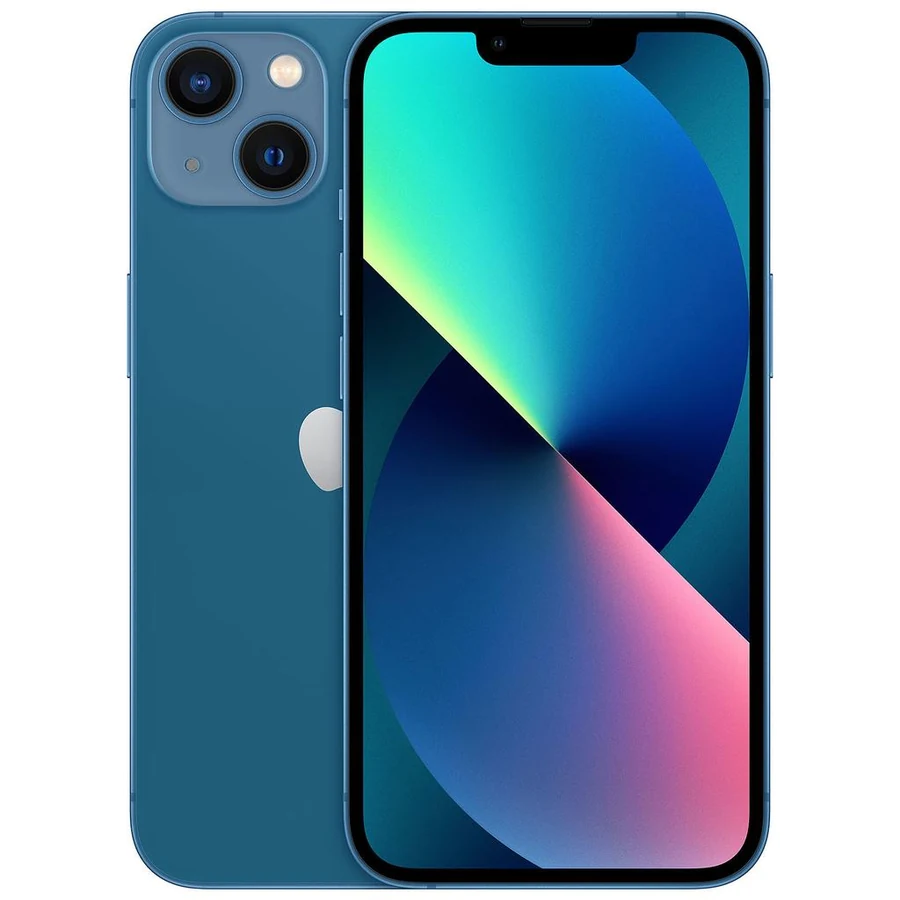
iPhone 13 · Libre
Desde

Precio reacondicionado:USD 86 $

Precio nuevo · USD 629 $

Ver opciones
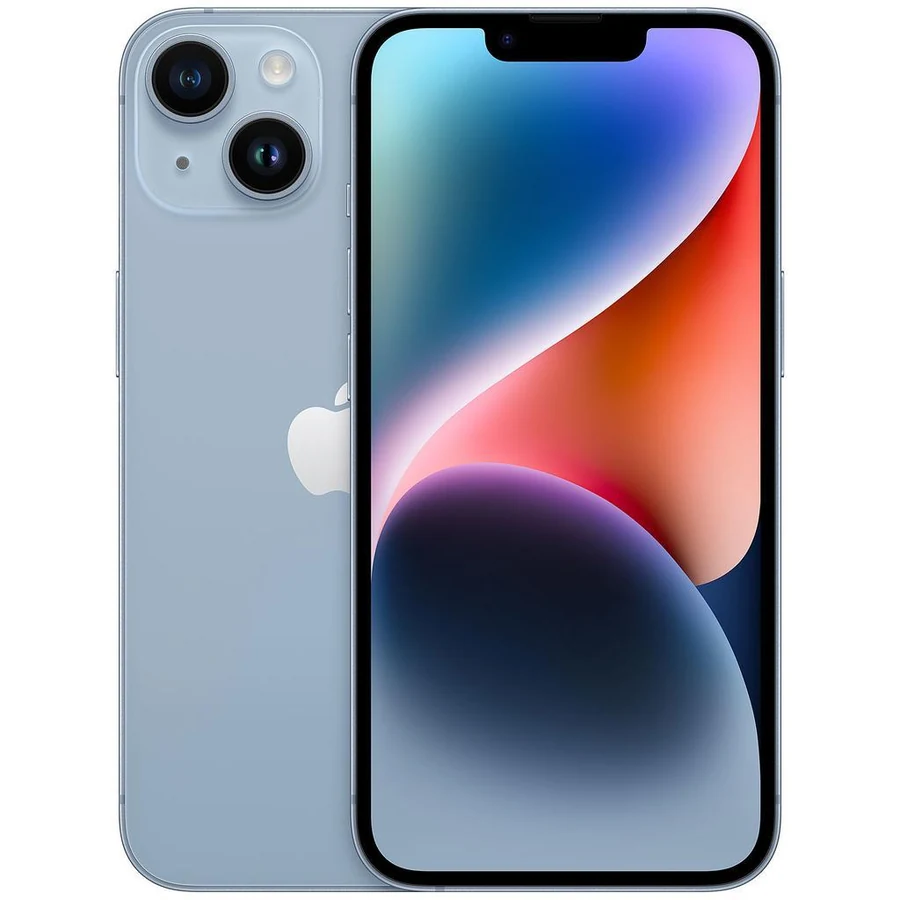
iPhone 14 · Libre
Desde

Precio reacondicionado:USD 117 $

Precio nuevo · USD 599 $

Ver opciones

Diferencias de un vistazo

The iPhone 13, released in September 2021, and the iPhone 14, launched in September 2022, represent two consecutive generations of Apple's standard smartphone line. While they share a familiar design and operate on the same core software platform, the iPhone 14 introduces subtle internal enhancements, particularly in its camera system, and new safety features that distinguish it from its predecessor. Both devices run on Apple's iOS, providing a consistent user experience across the ecosystem.

Modelos disponibles

Color

Storage (GB)

Puntuaciones

Durabilidad

When considering the longevity of these devices, several factors come into play, including software support, physical durability, and potential repairability.

  • Software Updates: The iPhone 14 is expected to receive major iOS updates for approximately one year longer than the iPhone 13. This means the iPhone 13 will likely see software support until around 2028, while the iPhone 14 could be supported until 2029, offering a slightly extended period of access to the latest features and security patches.
  • Physical Resilience: Both models feature a Ceramic Shield front cover and an aluminum frame, contributing to their robust build. They also share an IP68 rating for dust and water resistance, indicating similar protection against environmental elements.
  • Repairability Considerations: While both devices are designed with Apple's ecosystem in mind, the iPhone 14 introduced some internal design changes that could potentially make certain repairs, such as battery or back panel replacements, more straightforward.

Año de lanzamiento

2021

2022

Último sistema operativo compatible

Sí

Sí

Sistema operativo

iOS

iOS

Foldable

No

No

Rendimiento

Both the iPhone 13 and iPhone 14 deliver smooth and responsive performance for everyday tasks, but there are underlying differences that impact more demanding usage scenarios.

  • Processing Power: Both phones are powered by the same generation of Apple's system-on-a-chip. However, the iPhone 14 utilizes a version of this chip that includes an additional graphics core, resulting in improved graphical performance.
  • Multitasking Capability: The iPhone 14 features 6GB of RAM, an increase from the iPhone 13's 4GB. This additional memory can contribute to smoother multitasking and better handling of multiple demanding applications simultaneously, potentially reducing app reloads.
  • Real-world Responsiveness: For typical daily use, such as browsing, social media, and light gaming, both devices offer a fluid experience. Users engaging in more intensive activities like advanced mobile gaming or video editing may notice the iPhone 14's slightly enhanced graphical capabilities and increased RAM providing a marginal advantage.

Calidad de pantalla

The visual experience on both the iPhone 13 and iPhone 14 is largely consistent, as they share many display characteristics.

  • Display Technology: Both models are equipped with a 6.1-inch Super Retina XDR OLED display. This technology provides deep blacks, vibrant colors, and excellent contrast, contributing to an immersive viewing experience for photos, videos, and general content.
  • Resolution and Brightness: The screens offer similar resolution, resulting in sharp and clear images. They also achieve comparable peak brightness levels, ensuring good visibility even in bright outdoor conditions.
  • Frecuencia de actualización: Both devices feature a standard 60Hz refresh rate. This provides a smooth scrolling experience for most users, though it does not offer the ultra-smooth motion found on devices with higher refresh rates.

Resolución

1170 x 2532

1170 x 2532

Tipo de pantalla

Super Retina XDR OLED

Super Retina XDR OLED

Imagen y sonido

The camera systems on the iPhone 13 and iPhone 14 share a similar foundation but the newer model brings notable advancements, particularly in low-light performance and video stabilization.

  • Rear Camera System: Both phones feature a dual 12MP camera setup with wide and ultra-wide lenses. The iPhone 14's main camera has a larger sensor and a wider aperture (f/1.5 compared to f/1.6 on the iPhone 13), allowing it to capture more light. This, combined with the new Photonic Engine image processing, significantly improves low-light photography, capturing more detail and better preserving shadows.
  • Front Camera Enhancements: The iPhone 14 upgrades the 12MP TrueDepth front camera with autofocus and a wider aperture (f/1.9 vs f/2.2), leading to improved low-light selfies and sharper focus.
  • Video Capabilities: For video recording, the iPhone 14 introduces Action Mode, which provides enhanced stabilization for capturing smooth footage while in motion. The Cinematic Mode also sees an upgrade on the iPhone 14, supporting 4K resolution at 30 frames per second, whereas the iPhone 13's Cinematic Mode is limited to 1080p at 30 frames per second.

Cámara principal

12 megapixels

12 megapixels

Cámara frontal

12 megapixels

12 megapixels

Otras características

Beyond the core specifications, several practical elements differentiate the iPhone 13 and iPhone 14, influencing daily usability and connectivity.

  • Connectivity and SIM: Both devices support 5G cellular connectivity and modern Wi-Fi standards. A key difference for users in the US is that the iPhone 14 models are eSIM-only, meaning they do not have a physical SIM card tray, unlike the iPhone 13.
  • Safety Features: The iPhone 14 introduces two significant safety features: Crash Detection, which can automatically alert emergency services after a severe car crash, and Emergency SOS via satellite, allowing users to contact emergency services in areas without cellular or Wi-Fi coverage (initially available in select regions).
  • Physical Attributes: The overall dimensions and weight are very similar between the two models, with the iPhone 14 being marginally lighter. Both retain the Lightning port for charging and data transfer.

Peso

6 oz

6 oz

Tamaño de pantalla (pulgadas)

6.1

6.1

Red

5G

5G

Tarjeta SIM

Physical SIM + eSIM

eSIM

Carrier compatibility

Libre

Libre

Conector

Lightning

Lightning

Qué opina la comunidad

User sentiment often highlights the iPhone 13 as a highly capable device that continues to offer a strong user experience. Many users on forums like Reddit suggest that for everyday tasks, the differences between the iPhone 13 and iPhone 14 are not always immediately noticeable. The iPhone 13 is frequently praised for its robust performance and reliable camera system, especially for those who do not require the absolute latest features.

Conversely, the iPhone 14 receives commendation for its improved camera performance in challenging lighting conditions, the addition of Action Mode for video, and the new safety features like Crash Detection and Emergency SOS via satellite. Some users also appreciate the slightly increased RAM and the potential for an extra year of software updates, which can be a factor for those planning to keep their device for an extended period.

Users prioritizing advanced camera capabilities, especially in low light, and enhanced video stabilization, along with the added safety features, may find the iPhone 14 better suited to their needs. Those who primarily use their phone for general communication, social media, and casual photography, and prefer a device that still offers excellent performance and longevity, might lean towards the iPhone 13. Both models remain strong contenders, and choosing a quality-assured refurbished option for either device can be an eco-friendly alternative for making an informed purchasing decision.
WhatsApp