Compare models
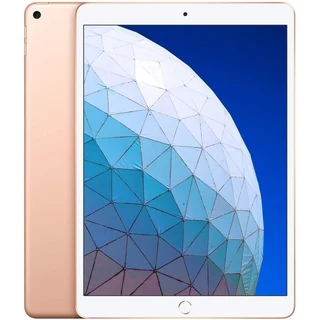
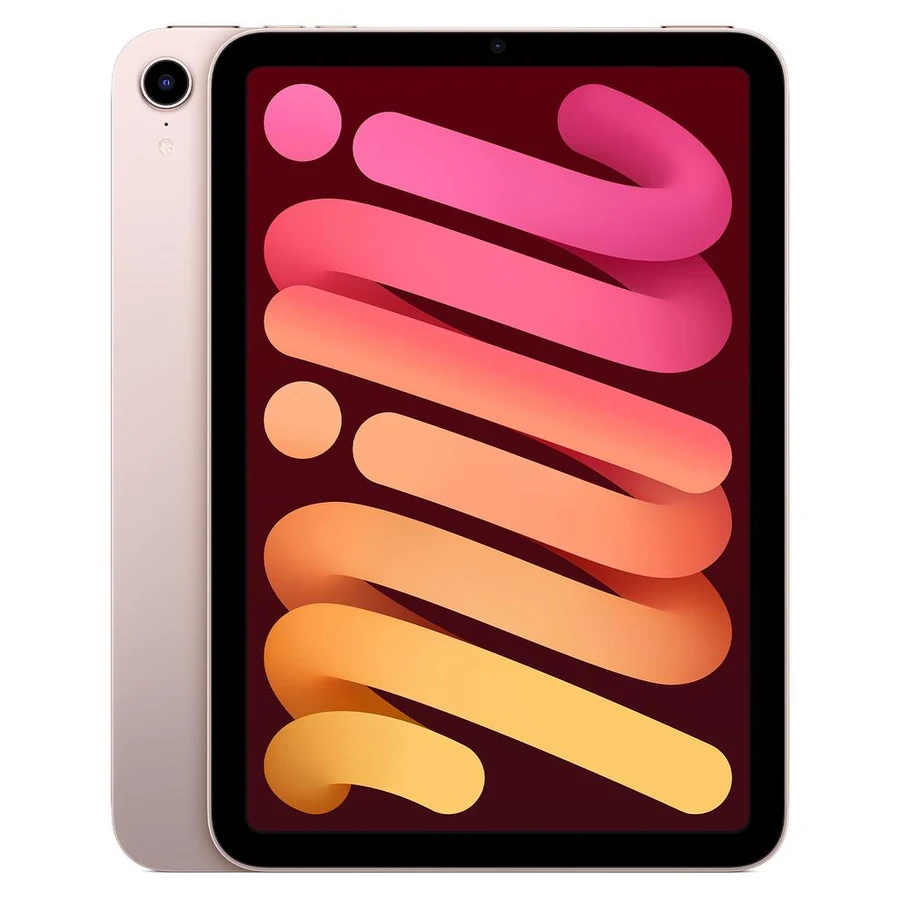
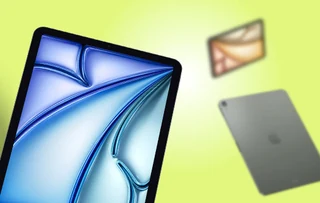
iPad Air · 2019 · 10.5-inch vs iPad mini · 2021 · 8.3-inch
- Garantie d’un an
- Shipping rates shown at checkout
- Retours sous 14 jours (conditions de renvoi applicables)
Les différences en un coup d’œil
The iPad Air 3, released in 2019, and the iPad mini 6, launched in 2021, represent two distinct approaches to tablet design within Apple's lineup, catering to different preferences for screen size and portability. While both devices run on Apple's iPadOS ecosystem and offer smooth everyday usability, they differ significantly in form factor, processor generation, and overall dimensions. Choosing between them largely depends on whether a larger workspace or a compact, highly portable build is the priority.
Modèles disponibles
Couleur
Storage (GB)
Notes
Durabilité
Both tablets provide reliable longevity, though their release timelines and hardware generations influence how long they will continue receiving software updates.
- Software support timeline: The iPad mini 6 benefits from a newer launch date, meaning it will likely remain compatible with recent operating system updates for a longer duration than the older iPad Air 3.
- Repairability and physical endurance: Both models feature durable aluminum enclosures, and choosing a quality-assured refurbished option from RefurbLane extends their lifecycle while supporting sustainable technology habits.
- Expected practical lifespan: Everyday users handling web browsing, document editing, and media streaming will find both devices remain functional and responsive for years of continued use.
Année de sortie
2019
2021
Dernier système compatible
Oui
Oui
Système d’exploitation
iPadOS
iPadOS
Maximum Operating System supported
iPadOS 18
iPadOS 18
Performances
Internal hardware differences shape how each device handles demanding applications, multitasking workflows, and power efficiency.
- Multitasking and app switching: The iPad mini 6 utilizes a more advanced processor generation, allowing heavy applications, split-screen workflows, and demanding mobile games to run with greater responsiveness.
- Storage configuration options: Both tablets are available in multiple storage tiers, accommodating varying needs for offline media, local files, and application data.
- Battery behavior: Typical usage scenarios such as video playback and web browsing yield consistent daily battery life across both models, though intensive tasks drain the smaller battery of the mini model slightly faster.
Processeur
Apple A12 Bionic
Apple A15 Bionic
Qualité de l’écran
Display characteristics vary notably in physical dimensions, panel layout, and viewing space.
- Panel technology and clarity: Both devices feature bright, high-resolution screens with wide color support and laminated glass layers, ensuring crisp text and vibrant images for reading and viewing media.
- Form factor and viewing space: The iPad Air 3 offers a larger workspace suited for productivity and drawing, whereas the iPad mini 6 provides a compact, pocket-friendly display that prioritizes one-handed portability.
- Outdoor visibility: Maximum brightness levels on both screens allow for comfortable outdoor use under direct sunlight or in brightly lit environments.
Résolution
2224 x 1668
2266 x 1488
True Tone
Oui
Oui
Pro-Motion
Non
Non
Type d’écran
Retina display
Liquid Retina display
Pixel density
264ppp
326ppp
Brightness
500 nits brightness
500 nits brightness
Qualité sonore
Enceintes
Stereo speakers
Stereo speakers (landscape)
Image et son
Media capture and audio output capabilities differ to suit varying communication and casual recording needs.
- Camera systems: The iPad mini 6 features an updated front-facing camera with automatic framing features for video calls, alongside a sharper rear camera compared to the simpler sensor setup on the iPad Air 3.
- Audio output: Both models incorporate stereo speakers that deliver clear sound for video calls, music, and movie watching, though the speaker placement adapts differently depending on holding orientation.
- Microphone performance: Integrated multi-microphone arrays isolate voices effectively during virtual meetings and audio recording sessions.
Autres caractéristiques
Physical design choices and accessory compatibility define how these tablets integrate into daily routines.
- Accessory support: The iPad Air 3 connects to traditional keyboard accessories via proprietary connectors, while the iPad mini 6 supports magnetically attaching styluses along its frame.
- Port connectivity: The iPad Air 3 relies on the traditional lighting connection format, whereas the iPad mini 6 adopts a modern universal USB-C port for charging and accessories.
- Physical dimensions: The iPad mini 6 is significantly lighter and more compact, making it easier to carry in small bags or hold for extended reading sessions, while the iPad Air 3 provides a larger canvas.
Poids
16 oz
—
Largeur
—
—
Hauteur
—
—
Profondeur
0.2 in
0.2 in
Diagonale de l’écran (pouces)
10.5
8.3
Réseau
Wi-Fi
Wi-Fi
Carrier compatibility
—
—
Wi-Fi technology
Wi-Fi 6 802.11a/b/g/n/ac
Wi-Fi 6 802.11ax
Version Bluetooth
Bluetooth 5.0
Bluetooth 5.0
Face ID
Non
Non
Touch ID
Oui
Oui
Connecteur
Lightning connector
USB Type-C
L’avis de la communauté
User discussions across community forums frequently highlight the iPad mini 6 for its modern design, USB-C connectivity, and highly portable form factor that fits easily into small bags or one-handed grips. Common praise for the iPad Air 3 centers on its larger screen workspace, which users find comfortable for traditional typing, document review, and multi-window tasks without feeling cramped.
Users prioritizing maximum portability, modern accessory alignment, and a compact reading format will find the iPad mini 6 well-suited to their needs. Conversely, users prioritizing a larger visual canvas for productivity and media consumption may prefer the iPad Air 3. Exploring quality-assured refurbished options provides an eco-friendly path to acquiring either device while supporting sustainable electronics consumption.