


iPads

He aha tāu e rapu ana?
Compare models
He tirohanga poto ki ngā rerekētanga
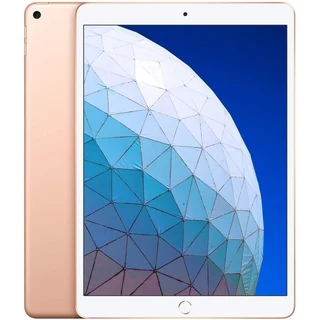
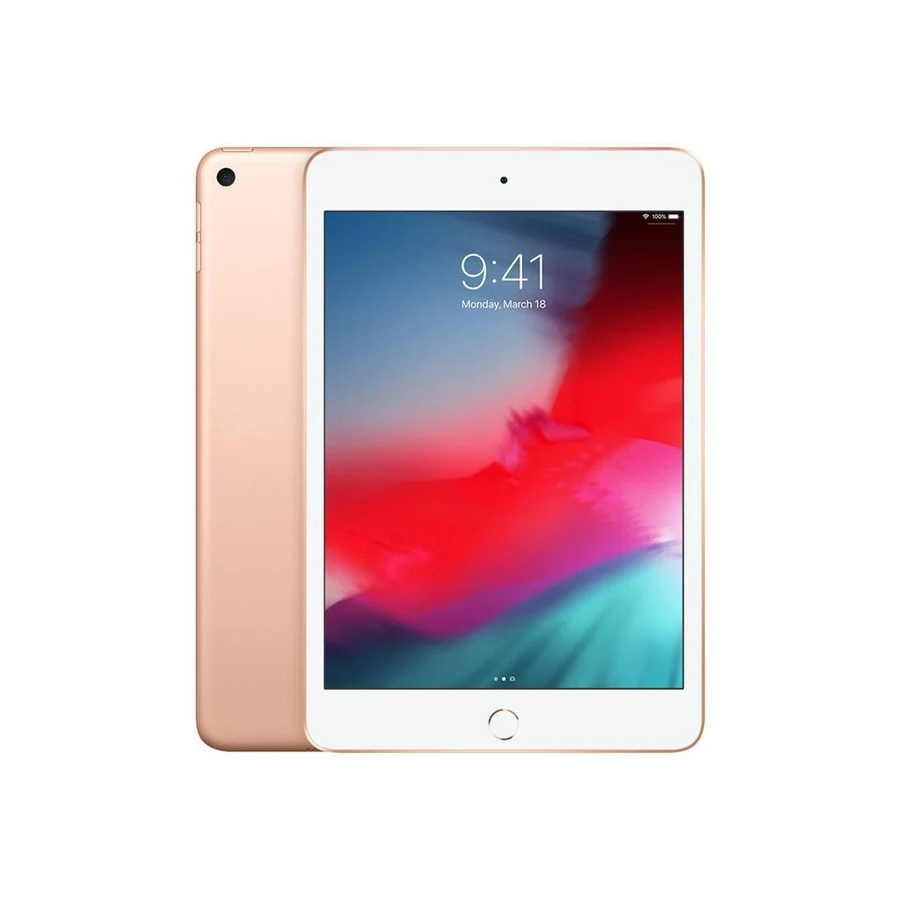
The iPad Air 3 (2019) and the iPad mini 5 (2019) are tablets that share the same generation of internal components and release year. While both devices run on the same operating system software and processing architecture, their main differentiators lie in physical dimensions, screen size, and portability. This comparison outlines their practical differences to help you decide which form factor suits your daily workflow.
Tae
Storage (GB)
Both tablets were released in the same year, meaning they share a similar baseline age and remain compatible with recent software versions, though older hardware naturally approaches eventual software support limits over time. Users evaluating these models can expect similar operating system longevity and update cycles.
Te tau i tukuna ai
Te pūnaha whakahaere hototahi hōu rawa
Pūnaha whakahaere
Maximum Operating System supported
Equipped with the same internal processing generation and matching random access memory capacity, both tablets handle everyday tasks, web browsing, and document editing with identical efficiency. System responsiveness remains smooth across standard applications, though physical storage tier choices will dictate how many media files and applications you can store locally.
Pūtukatuka
The primary physical distinction between the two devices centers on display dimensions, while both retain high-resolution panels equipped with wide color support and comfortable viewing brightness for indoor and outdoor environments. Visual clarity is exceptionally sharp on both screens, though pixel density is technically higher on the smaller screen format.
Taumira
True Tone
Pro-Motion
Te momo mata
Pixel density
Brightness
Ngā whārahi reo
Photography and audio capabilities are identical across both models, utilizing standard rear and front camera sensors designed for casual snapshots, document scanning, and video calls. Media consumption audio is delivered through integrated stereo speakers suitable for casual listening.
Physical handling and peripheral compatibility define the practical experience of carrying these devices, as both support standard wireless protocols and input accessories like the first-generation stylus. Dimensions and weight vary significantly, directly impacting travel and hand-held ergonomics.
Taumaha
Whānui
Teitei
Hōhonu
Te rahi o te mata (inihi)
Whatunga
Carrier compatibility
Wi-Fi technology
Putanga Bluetooth
Face ID
Touch ID
Tūhono
User feedback on community forums highlights that buyers choose between these two tablets almost entirely based on physical size preferences rather than internal capability. Owners of the iPad Air 3 frequently praise its comfortable screen estate for typing and split-screen multitasking, though some note it is less convenient for reading while standing. Conversely, iPad mini 5 users consistently highlight its exceptional portability and comfortable one-handed grip, though critics point out that the smaller canvas limits intensive multi-window productivity.
Users who prioritize split-screen productivity, typing comfort, and a larger viewing workspace will find the iPad Air 3 well-suited to their needs, while users prioritizing pocket portability, hand-held reading comfort, and easy travel will lean toward the iPad mini 5. Opting for a quality-assured refurbished option from RefurbLane provides an eco-friendly alternative that extends device lifecycles and supports sustainable technology choices without sacrificing functional reliability.




 WhatsApp