Compare models
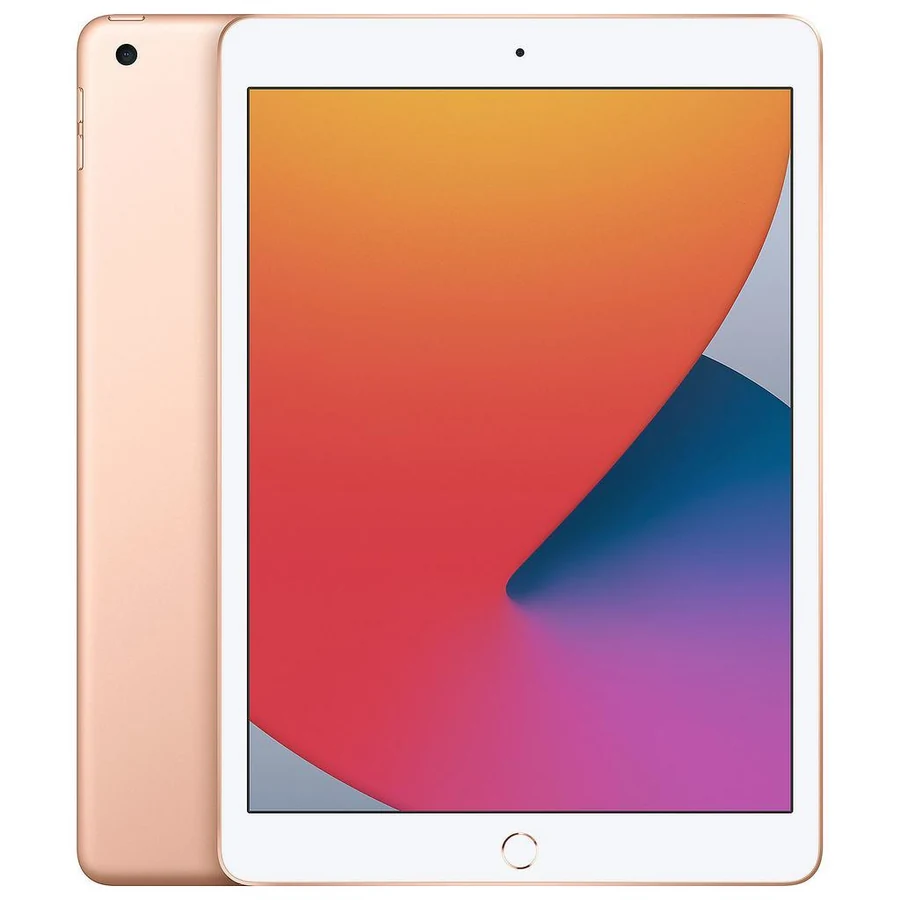
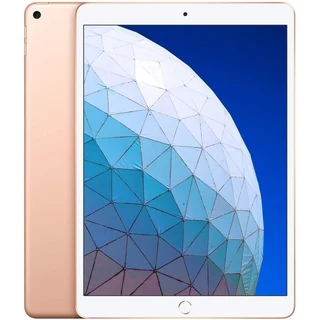
iPad · 2020 · 10.2-inch vs iPad Air · 2019 · 10.5-inch
- Vienų metų garantija
- Shipping rates shown at checkout
- Grąžinimas per 14 dienų (taikomos grąžinimo siuntimo sąlygos)
Trumpai apie skirtumus
The iPad 2020 (8th generation) and the iPad Air 2019 (3rd generation) are both versatile tablets from Apple, offering a balance of performance and portability. While the iPad 2020 was released in September 2020 and the iPad Air 2019 in March 2019, both devices share the same core processor, the A12 Bionic chip. The primary distinctions lie in their display technologies, front-facing camera capabilities, and overall design refinements, catering to slightly different user preferences within the iPad ecosystem. Both run on Apple's iPadOS, ensuring a consistent software experience with access to a vast app library.
Galimi modeliai
Spalva
Storage (GB)
Įvertinimai
Patvarumas
When considering the longevity of these tablets, several factors come into play, including their release dates and the typical duration of software support from Apple. The practical lifespan of a device is influenced by its ability to run current applications and receive security updates.
- Software Support: The iPad 2020, being released later in September 2020, is expected to receive major iPadOS updates for approximately one year longer than the iPad Air 2019, which debuted in March 2019. This means the iPad 2020 will likely maintain compatibility with newer software features and security patches for a slightly extended period.
- Repairability: Both models feature an aluminum unibody construction. While specific repairability scores can vary, both are generally considered to have a moderate level of repairability, with common components being serviceable by trained technicians.
- Expected Lifespan: Users can anticipate a practical lifespan of several years for both devices, especially for general use cases like browsing, media consumption, and light productivity. The slightly newer release of the iPad 2020 gives it a marginal edge in terms of future-proofing for software.
Išleidimo metai
2020
2019
Naujausia suderinama operacinė sistema
Taip
Taip
Operacinė sistema
iPadOS
iPadOS
Maximum Operating System supported
iPadOS 18
iPadOS 18
Našumas
Both the iPad 2020 and the iPad Air 2019 are powered by the A12 Bionic chip, which includes a Neural Engine, providing a capable foundation for a smooth user experience. This shared processor means that for many everyday tasks, their performance characteristics are quite similar.
- Everyday Responsiveness: Both tablets handle common applications, web browsing, and multitasking with fluidity. Users can expect quick app launches and smooth transitions between different tasks.
- Demanding Applications: For more intensive activities such as graphic-rich gaming, video editing, or running multiple demanding applications simultaneously, both devices perform capably. The A12 Bionic chip ensures that these tasks are managed efficiently, providing a responsive experience.
- Storage Options: The iPad 2020 was available with 32GB or 128GB of internal storage. The iPad Air 2019 offered more generous base storage options, starting at 64GB and going up to 256GB, which can be a significant factor for users who store many large files or applications.
Procesorius
Apple A12 Bionic
Apple A12 Bionic
Ekrano kokybė
The visual experience on a tablet is largely defined by its display, and while both iPads offer Retina displays, there are notable differences in their specifications and features.
- Display Technology and Size: The iPad 2020 features a 10.2-inch LED-backlit IPS display with a resolution of 2160 x 1620 pixels. The iPad Air 2019 has a slightly larger 10.5-inch LED-backlit IPS display with a resolution of 2224 x 1668 pixels. Both offer a pixel density of 264 pixels per inch, resulting in clear and sharp visuals.
- Color Accuracy and Brightness: The iPad Air 2019's display includes True Tone technology, which automatically adjusts the white balance to match the ambient light, and supports a wider P3 color gamut, offering more vibrant and accurate colors. Both displays achieve a typical brightness of 500 nits, providing good visibility in various lighting conditions.
- Lamination and Anti-Reflective Coating: A key difference is that the iPad Air 2019 features a fully laminated display with an anti-reflective coating, which reduces glare and makes the screen appear closer to the glass. The iPad 2020's display is not fully laminated and lacks this anti-reflective coating.
Raiška
2160 x 1620
2224 x 1668
True Tone
Ne
Taip
Pro-Motion
Ne
Ne
Ekrano tipas
Retina display
Retina display
Pixel density
264ppp
264ppp
Brightness
500 nits brightness
500 nits brightness
Garso kokybė
Garsiakalbiai
Stereo speakers
Stereo speakers
Vaizdas ir garsas
Tablets are often used for casual photography, video calls, and scanning documents, making their camera systems an important consideration. Both devices offer capable cameras for these purposes, but with some distinctions.
- Rear Camera Performance: Both the iPad 2020 and iPad Air 2019 are equipped with an 8-megapixel rear camera with an f/2.4 aperture. This camera is suitable for capturing everyday photos, scanning documents, and recording 1080p HD video at 30 frames per second.
- Front Camera for Video Calls: The iPad Air 2019 features a 7-megapixel FaceTime HD front camera with an f/2.2 aperture, capable of recording 1080p HD video. In contrast, the iPad 2020 has a 1.2-megapixel FaceTime HD front camera with an f/2.4 aperture, recording 720p HD video. This difference means the iPad Air 2019 provides a clearer image for video conferencing and selfies.
- Audio Experience: Both tablets include stereo speakers, providing a decent audio experience for media consumption. They also feature dual microphones, which contribute to clearer audio during video calls and voice recordings.
Kitos savybės
Beyond core performance and display, several practical elements contribute to the overall user experience, including connectivity, physical design, and accessory support.
- Connectivity and Ports: Both devices support Wi-Fi (802.11ac) and Bluetooth. The iPad Air 2019 features Bluetooth 5.0, offering a more stable and efficient wireless connection compared to the iPad 2020's Bluetooth 4.2. Both utilize a Lightning port for charging and data transfer, and include a 3.5mm headphone jack.
- Physical Design and Handling: The iPad Air 2019 is noticeably thinner and lighter than the iPad 2020. The iPad Air 2019 measures 6.1 mm in depth and weighs around 456 grams (Wi-Fi model), while the iPad 2020 is 7.5 mm thick and weighs approximately 490 grams (Wi-Fi model). This makes the iPad Air 2019 slightly more comfortable for extended handheld use.
- Accessory Compatibility: Both tablets support the first-generation Apple Pencil and the Smart Keyboard, expanding their utility for note-taking, drawing, and productivity tasks. They also both feature Touch ID for secure authentication.
Svoris
17 oz
16 oz
Plotis
6.8 in
—
Aukštis
9.8 in
—
Gylis
0.2 in
0.2 in
Ekrano dydis (coliais)
10.2
10.5
Tinklas
Wi-Fi
Wi-Fi
Carrier compatibility
—
—
Wi-Fi technology
Wi-Fi 6 802.11a/b/g/n/ac
„Bluetooth“ versija
Bluetooth 4.2
Bluetooth 5.0
Face ID
Ne
Ne
Touch ID
Taip
Taip
Jungtis
Lightning connector
Lightning connector
Bendruomenės nuomonė
Users often praise the iPad 2020 for its solid performance and reliable ecosystem, making it a dependable choice for general use, media consumption, and educational purposes. Some common criticisms, however, include its older design with thicker bezels and the less capable front-facing camera, which some users find limiting for video calls.
The iPad Air 2019, on the other hand, frequently receives positive feedback for its more refined design, including a fully laminated display with True Tone and a significantly improved front camera, which enhances the experience for video conferencing and creative tasks. A minor point of criticism for some might be its slightly older release date compared to the iPad 2020, potentially leading to one less year of major software updates.
Users prioritizing a more modern display experience with better color accuracy and reduced glare, along with a superior front camera for video calls, may find the iPad Air 2019 to be a more suitable option. Its thinner and lighter design also appeals to those who value portability. Conversely, users who primarily need a capable tablet for everyday tasks, are less concerned with the display's advanced features or the front camera's resolution, and prefer a device with a slightly longer expected software support window, might lean towards the iPad 2020. Both devices offer a robust tablet experience, and choosing between them often comes down to these specific preferences. For those looking for an eco-friendly alternative, both models are available as quality-assured refurbished options.