
Compare models

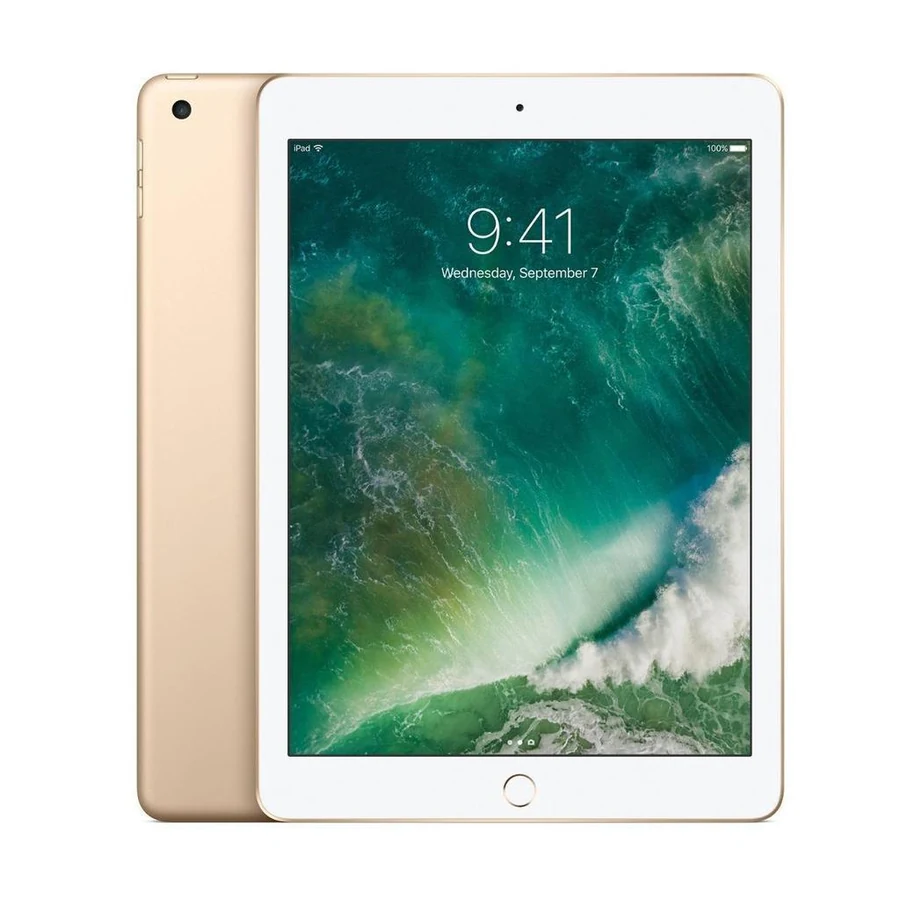
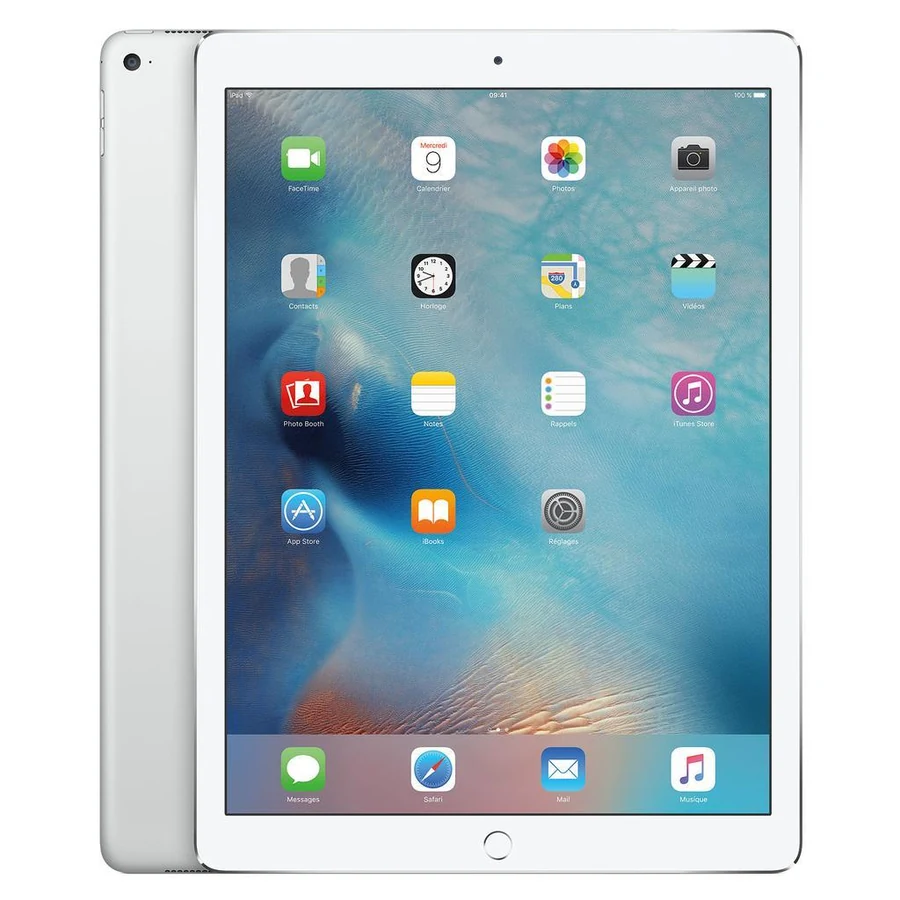
iPad · 2017 · 9.7-inch vs iPad Pro · 2015 · 12.9-inch

  • Pūtāhui kotahi tau
  • Shipping rates shown at checkout
  • Ka taea te whakahoki i roto i ngā rā 14 (ka pā ngā tikanga tuku whakahoki)
iPad · 2017 · 9.7-inch
Mai i

Utu mō te mea kua whakahoungia:USD 29 $

Utu mō te mea hou · USD 329 $

Tirohia ngā kōwhiringa
iPad Pro · 2015 · 12.9-inch
Mai i

Utu mō te mea kua whakahoungia:USD 78 $

Utu mō te mea hou · USD 799 $

Tirohia ngā kōwhiringa

He tirohanga poto ki ngā rerekētanga

The iPad 5 (2017) and the iPad Pro (2015) represent two different approaches to Apple's tablet lineup from mid-decade development cycles. While the iPad 5 focused on delivering a standard tablet experience for everyday household tasks, the iPad Pro launched as a larger-format device targeted at creative workflows and media consumption. Both run on iterations of Apple's tablet operating system software, though their hardware design philosophies cater to distinct daily use patterns.

Ngā tauira e wātea ana

Tae

Storage (GB)

Ngā kaute

Te pakari

Device longevity and software updates vary due to their release timeline difference, affecting how long each model remains compatible with modern apps.

  • Release Timeline: The iPad Pro debuted in late 2015, whereas the iPad 5 arrived in early 2017, giving the latter a slight chronological advantage in support lifespan.
  • Software Support: Both models have concluded their major operating system update cycles, meaning they run fixed versions of the platform with security updates.
  • Expected Lifespan: Users can expect stable performance for basic tasks like web browsing and video streaming, though hardware age limits the installation of resource-intensive modern applications.

Te tau i tukuna ai

2017

2015

Te pūnaha whakahaere hototahi hōu rawa

Kāo

Kāo

Pūnaha whakahaere

iPadOS

iPadOS

Maximum Operating System supported

iPadOS 16

iPadOS 16

Te kaha mahi

Daily responsiveness and multitasking behavior differ noticeably based on the internal hardware configuration and memory capacity of each tablet.

  • Memory and Multitasking: The iPad Pro includes double the RAM capacity of the iPad 5, allowing for smoother handling of split-screen apps and browser tabs without frequent reloading.
  • App Responsiveness: Both devices handle standard web navigation, email, and streaming smoothly, though demanding games or heavy editing software run with more consistent frame rates on the Pro model.
  • Battery Behavior: Battery endurance depends heavily on device history, but both tablets generally sustain standard daily use for casual reading and media playback before requiring a recharge.

Pūtukatuka

Apple A9

Apple A9X

Te kounga o te mata

Display characteristics shape how media consumption and reading tasks appear during daily use.

  • Panel Size and Resolution: The iPad 5 features a standard 9.7-inch display, while the original iPad Pro offers an expansive 12.9-inch screen with high resolution, providing significantly more workspace.
  • Viewing Clarity: The iPad Pro includes an anti-reflective coating and wider color reproduction, reducing glare under indoor lighting compared to the standard panel on the iPad 5.
  • Brightness Levels: Both screens reach adequate indoor brightness levels for comfortable reading and video viewing, though bright outdoor sunlight creates visibility challenges for both models.

Taumira

2048 x 1536

2048 x 2732

True Tone

Kāo

Kāo

Pro-Motion

Kāo

Kāo

Te momo mata

Retina display

Retina display

Pixel density

264ppp

264ppp

Brightness

500 nits brightness

400 nits brightness

Te kounga o te oro

Ngā whārahi reo

Stereo speakers

Four speaker audio

Te ataata me te oro

Media capture and audio output capabilities reflect the divergent design targets of a standard consumer tablet versus a larger media device.

  • Camera Systems: Both tablets feature basic rear and front-facing cameras suitable for casual snapshot capture and video calls rather than primary photography.
  • Audio Output: The iPad Pro features a four-speaker audio setup that dynamically adjusts sound based on device orientation, offering a more immersive media experience than the dual-speaker setup on the iPad 5.
  • Microphone Performance: Integrated microphones on both models capture clear voice audio for virtual meetings and basic voice notes.

Ētahi atu āhuatanga

Physical dimensions, weight, and connectivity options influence portability and accessory compatibility.

  • Portability and Handling: The iPad 5 is lighter and more compact, making it easier to hold for extended reading sessions, whereas the larger iPad Pro is better suited for stationary desk or lap use.
  • Accessory Support: The iPad Pro includes a physical connector interface for attaching specialized keyboards, while the iPad 5 relies strictly on standard wireless accessories.
  • Hononga: Both models offer Wi-Fi configurations alongside optional cellular versions for mobile data access on the go.

Taumaha

16 oz

—

Whānui

6.6 in

8.6 in

Teitei

9.4 in

12 in

Hōhonu

0.2 in

0.2 in

Te rahi o te mata (inihi)

9.7

12.9

Whatunga

Wi-Fi

Wi-Fi

Carrier compatibility

—

—

Wi-Fi technology

Wi-Fi 6 802.11a/b/g/n/ac

Wi-Fi 6 802.11a/b/g/n/ac

Putanga Bluetooth

Bluetooth 4.2

Bluetooth 4.2

Face ID

Kāo

Kāo

Touch ID

Āe

Āe

Tūhono

Lightning connector

Lightning connector

Ngā whakaaro o te hapori

Users evaluating these models often note that the iPad 5 provides a reliable, lightweight experience for casual reading, streaming, and household organization. At the same time, owners of the iPad Pro frequently praise its expansive screen estate and robust audio output, though some mention that its larger physical footprint and heavier weight make it less convenient for handheld use. Users prioritizing portability and simple daily tasks may prefer the iPad 5, while users seeking a larger canvas for sketching, reading documents, or watching movies will lean toward the iPad Pro. Selecting a quality-assured refurbished option through RefurbLane provides an eco-friendly alternative for acquiring these tested devices with verified functionality. Ultimately, matching either tablet to specific daily routines ensures a satisfying long-term user experience without unnecessary complexity.


Ā mātou whakataurite hou

WhatsApp