
Compare models

Google Pixel Fold · Locked T-Mobile vs iPhone Air · Locked AT&T

  • 1-year warranty
  • Free standard shipping
  • Free 30-day returns
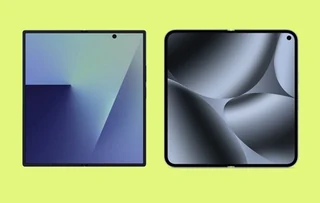
Google Pixel Fold · Locked T-Mobile
Starting at

Refurbished price:$113

Versus $1,799.00 new

See options
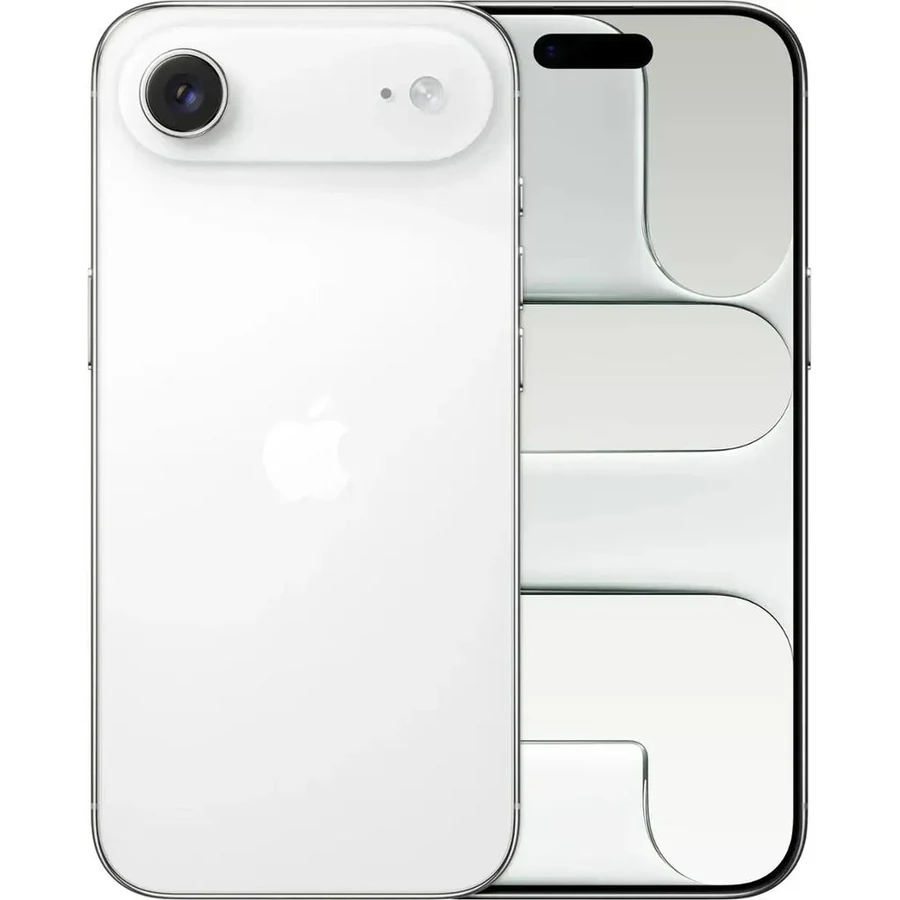
iPhone Air · Locked AT&T
Starting at

Refurbished price:$179

Versus $1,099.00 new

See options

Differences at a glance

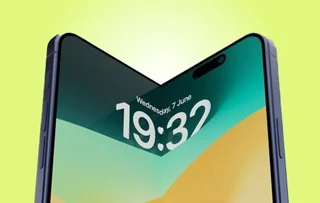
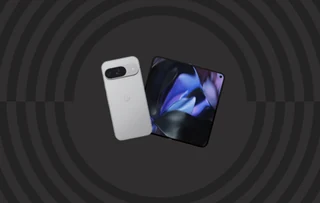
The Google Pixel Fold (2023) and the iPhone Air (2025) represent entirely different approaches to mobile form factors and engineering. While the Google Pixel Fold introduces a dual-screen foldable layout running on the Android operating system, the iPhone Air prioritizes an ultra-slim, lightweight slate design operating on iOS. Both devices cater to users seeking distinctive hardware designs, yet they differ fundamentally in how they deliver everyday utility.

Available Models

Color

Storage (GB)

Scores

Durability

These devices span different release years and follow distinct manufacturer software support paths, influencing their long-term viability and maintenance requirements.

  • Software Lifespan: The iPhone Air benefits from a newer launch timeline and extensive OS update backing, whereas the older Google Pixel Fold operates on a more established software cycle.
  • Hardware Build & Repairs: The Google Pixel Fold features a complex mechanical hinge structure that requires careful handling, while the iPhone Air relies on a solid, highly rigid frame design.
  • Practical Longevity: Both models provide robust build quality, though choosing a quality-assured refurbished option serves as an eco-friendly choice to extend device lifecycles.

Release Year

2023

2025

Last OS Compatibility

—

Yes

OS

Android

iOS

Foldable

Yes

No

Performance

Day-to-day speed, multitasking capability, and battery endurance vary significantly based on internal hardware choices and physical dimensions.

  • Multitasking & Processing: Both handsets handle demanding applications and swift background switching smoothly, though the iPhone Air features a more recent processor generation.
  • Battery Behavior: The Google Pixel Fold includes a larger power capacity to support its expansive screens, whereas the slender profile of the iPhone Air houses a more compact battery configuration.
  • Storage Capacity: Generous base storage tiers on both units ensure ample room for media libraries, large apps, and offline files without frequent cleanup.

Screen quality

Display configurations define the core identity of each product, offering entirely contrasting visual workspaces.

  • Display Technology: The Google Pixel Fold utilizes flexible OLED panels that unfold into a tablet-sized workspace alongside a standard outer screen, while the iPhone Air presents a single, highly refined OLED slate screen.
  • Visual Clarity: Both screens deliver sharp text reproduction, deep contrast levels, and smooth refresh rates for scrolling and media playback.
  • Outdoor Usability: High peak brightness levels on both devices ensure content remains legible under direct sunlight conditions.

Resolution

1840 x 2208

2736x1260

Screen type

Foldable OLED, 120Hz, HDR10+, 1000 nits (HBM), 1450 nits (peak)

Super Retina XDR

Audiovisual

Photography and media output hardware reflect distinct engineering priorities tailored to different creator styles.

  • Camera Array: The Google Pixel Fold equips a versatile triple-lens rear setup including wide, ultra-wide, and telephoto options, while the iPhone Air streamlines photography with a single advanced main sensor.
  • Imaging Performance: Both options capture detailed everyday photos and process low-light scenes effectively using computational imaging software.
  • Audio & Video: Video recording remains stable and sharp across both models, though their internal speaker layouts differ in spatial depth during media consumption.

Main camera

—

48 megapixels

Front camera

—

18 megapixels

Miscellaneous

Physical dimensions, connectivity standards, and daily handling features shape the ergonomic experience of each handset.

  • Weight & Dimensions: The Google Pixel Fold has a heavier, wider footprint due to its dual-screen hardware, whereas the iPhone Air emphasizes a remarkably thin and lightweight profile.
  • Connectivity: Both models support modern 5G networks, fast Wi-Fi standards, and secure biometric authentication methods.
  • Port Type: Universal USB-C connectivity handles charging and data transfer duties on both devices.

Weight

19 oz

185 oz

Screen size (inches)

7.6

6.5

Network

5G

5G

SIM card

Dual Physical SIM

eSIM

Carrier compatibility

T-Mobile

AT&T

Connector

USB-C (USB 3)

USB-C

What the community thinks

User discussions and community feedback highlight distinct preferences for each device based on real-world usage habits. Owners of the Google Pixel Fold frequently praise its expansive inner screen for multitasking and reading, though some users note the heavier weight and visible crease as trade-offs. Conversely, admirers of the iPhone Air frequently highlight its exceptional thinness and light carrying weight, while noting that a single camera system and slim battery profile require minor adjustments for intensive media creators. Users prioritizing a flexible multi-app workspace will find the Google Pixel Fold well-suited to their workflow, while those valuing a featherlight, pocket-friendly everyday phone may prefer the iPhone Air. Selecting a quality-assured refurbished device provides an eco-friendly alternative that aligns with sustainable technology consumption goals.

Our recent comparisons