Compare models

Google Pixel 9a · E wātea ana ki ngā whatunga katoa vs iPhone 15 · E wātea ana ki ngā whatunga katoa

  • Pūtāhui kotahi tau
  • Shipping rates shown at checkout
  • Ka taea te whakahoki i roto i ngā rā 14 (ka pā ngā tikanga tuku whakahoki)
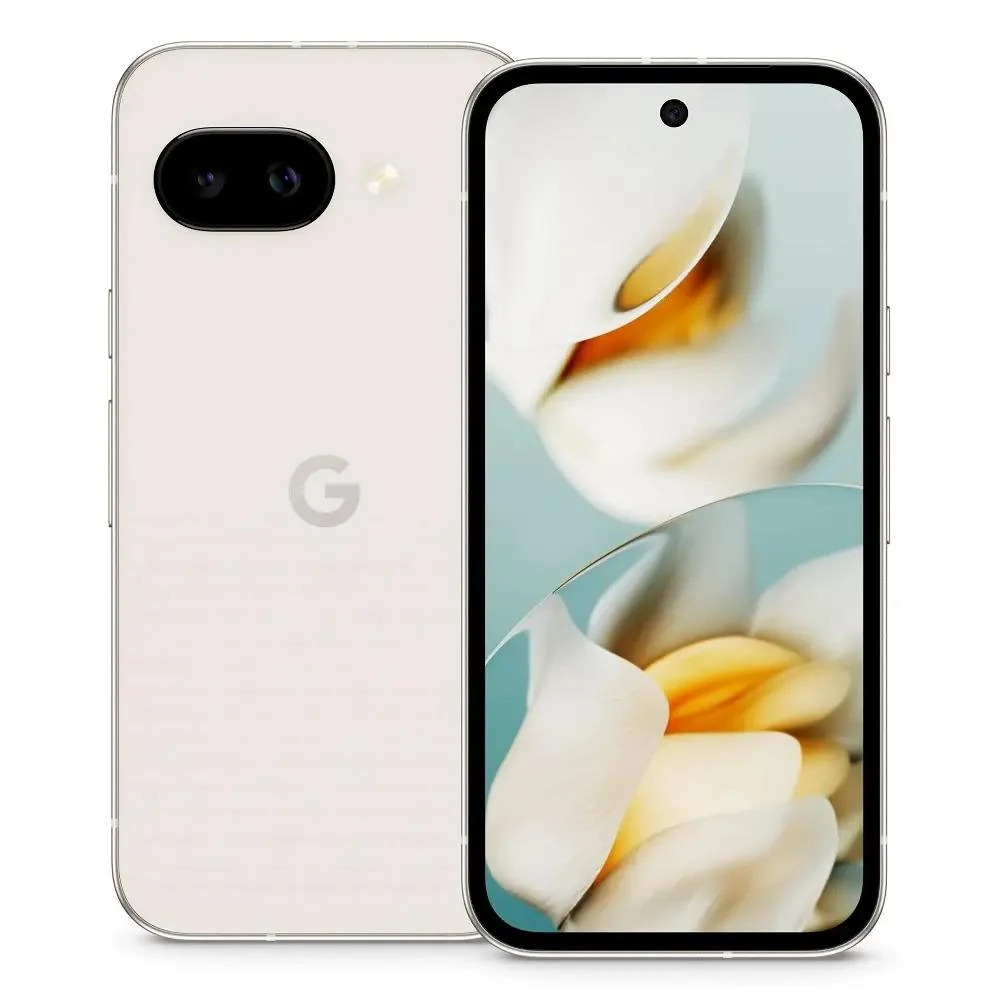
Google Pixel 9a · E wātea ana ki ngā whatunga katoa
Mai i

Utu mō te mea kua whakahoungia:USD 135 $

Utu mō te mea hou · USD 499.99 $

Tirohia ngā kōwhiringa
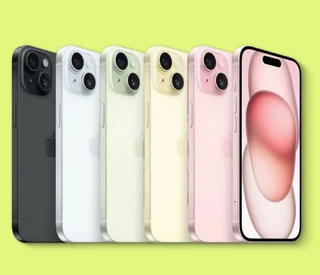
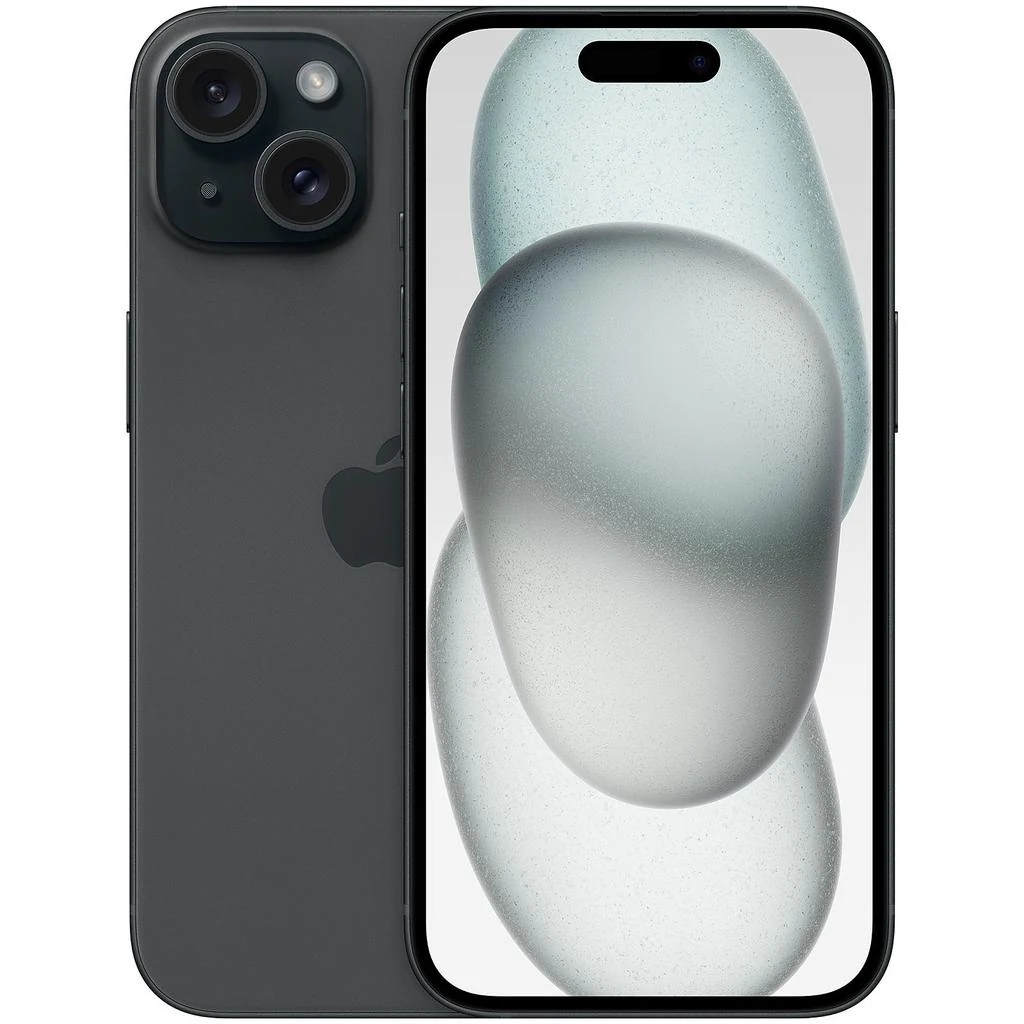
iPhone 15 · E wātea ana ki ngā whatunga katoa
Mai i

Utu mō te mea kua whakahoungia:USD 161 $

Utu mō te mea hou · USD 729 $

Tirohia ngā kōwhiringa

He tirohanga poto ki ngā rerekētanga

Kei te whakataurite i raro nei ngā whirihoranga taketake a ngā kaiwhakarato whatunga pūkoro. Kua wetekina ngā pūrere e rua e hokona ana ki tēnei whārangi kia taea ai te whakamahi ki ētahi atu whatunga.

The Google Pixel 9a (2025) and the iPhone 15 (2023) represent two popular mid-generation smartphone options running on Android and iOS platforms respectively. While the Pixel device runs Google's clean Android software with extensive update commitments, the iPhone utilizes Apple's tightly integrated ecosystem. A key difference lies in network flexibility, as this specific iPhone configuration is locked to the AT&T carrier, whereas the Pixel model comes completely unlocked for use on any compatible network.

Ngā tauira e wātea ana

Tae

Storage (GB)

Ngā kaute

Te pakari

Both smartphones provide robust long-term software support, though their release timelines and ecosystem update cycles differ.

  • Software Support Duration: The Google Pixel 9a benefits from an extended 7-year update commitment, while the iPhone 15 typically follows Apple's standard multi-year support window.
  • Repairability and Build: Both devices feature solid internal components and modern water-resistant designs, though availability of parts and repair options vary between authorized service networks.
  • Expected Lifespan: Both models are built to easily handle multi-year ownership cycles with proper battery care and routine software upkeep.

Te tau i tukuna ai

2025

2023

Pūnaha whakahaere

Android

iOS

Foldable

Kāo

Kāo

Te kaha mahi

Everyday handling and resource management differ across these two devices due to distinct hardware architectures and memory configurations.

  • Multitasking and Memory: The Pixel model includes ample RAM for smooth app switching, while the iPhone manages system resources efficiently through tight hardware and software integration.
  • Daily Responsiveness: Both devices load apps quickly, navigate menus fluidly, and manage demanding mobile games or productivity software without noticeable stutter.
  • Battery Behavior: The Pixel variant incorporates a high-capacity cell designed for extended active use, whereas the iPhone relies on power-efficient processing to maintain steady endurance through a standard day.

Te kounga o te mata

Visual output and display responsiveness vary, offering different advantages for media viewing and outdoor visibility.

  • Display Technology: Both models utilize vibrant OLED panels that deliver deep contrast levels and crisp text rendering for everyday reading.
  • Refresh Rates: The Pixel 9a features a high refresh rate screen for smoother scrolling animations, while the iPhone 15 maintains a standard refresh rate.
  • Outdoor Brightness: Both screens reach high peak luminance levels, ensuring content remains legible under direct sunlight.

Taumira

1080x2424

1179 x 2556

Te momo mata

P-OLED

Super Retina XDR OLED

Te ataata me te oro

Photography and media recording capabilities cater to users looking for reliable everyday documentation tools.

  • Camera Systems: Both devices employ dual rear camera layouts featuring high-resolution main sensors and wide-angle lenses for versatile framing.
  • Image Processing: The Pixel relies on advanced computational photography for balanced lighting and sharp details, while the iPhone captures natural tones and smooth video stabilization.
  • Audio and Video: Integrated microphone arrays capture clear audio for calls and video clips, paired with stereo speakers suitable for casual media consumption.

Ētahi atu āhuatanga

Physical traits, connectivity standards, and daily ergonomics define how each device fits into routine handling.

  • Connectivity and Ports: Both models support current 5G networks and utilize modern USB-C ports for charging and data transfer.
  • Security Sensors: The Pixel utilizes biometric screen unlocking alongside facial recognition, while the iPhone relies on secure facial mapping technology.
  • Dimensions and Weight: The Pixel 9a features a slightly larger screen footprint, whereas the iPhone 15 offers a more compact form factor that is easy to hold with one hand.

Taumaha

6 oz

6.03 oz (171 g)

Te rahi o te mata (inihi)

6.3

6.1

Whatunga

5G

5G

Kāri SIM

Physical SIM + eSIM

eSIM

Carrier compatibility

E wātea ana ki ngā whatunga katoa

E wātea ana ki ngā whatunga katoa

Ngā whakaaro o te hapori

User feedback highlights distinct community praise for each device. Pixel users frequently appreciate the clean software interface, reliable battery endurance, and long-term update commitment. Conversely, iPhone owners often praise the seamless ecosystem integration, video recording quality, and compact ergonomics. Common discussions note that the Pixel's larger display adds bulk, while the iPhone's carrier lock restricts network choices compared to fully unlocked alternatives.

Users prioritizing a flexible unlocked status, high screen refresh rates, and extended Android software updates may prefer the Google Pixel 9a. Meanwhile, users invested in the Apple ecosystem who do not mind an AT&T carrier lock will find the iPhone 15 well-suited to their needs. For those exploring a sustainable choice, a quality-assured refurbished option provides an eco-friendly alternative to purchasing brand new.

Ā mātou whakataurite hou

WhatsApp