Compare models

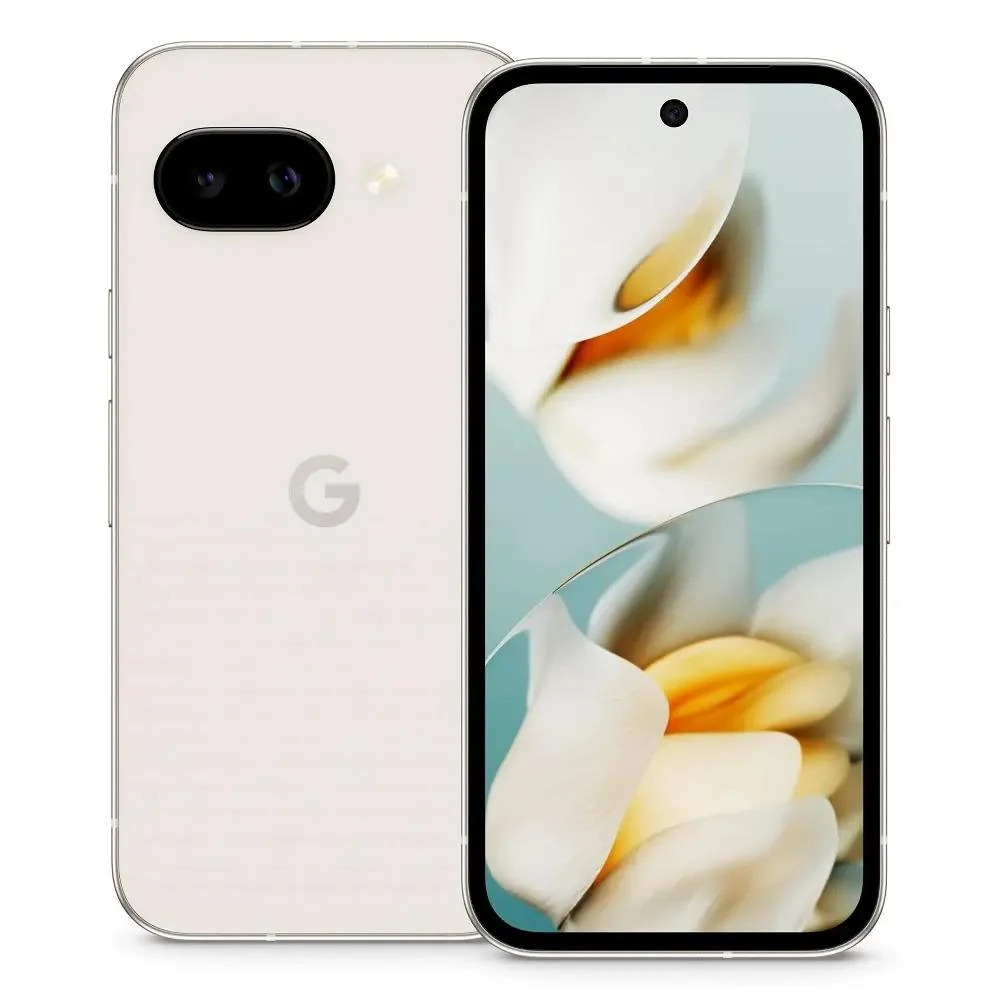
Google Pixel 9a · E wātea ana ki ngā whatunga katoa vs iPhone 14 · E wātea ana ki ngā whatunga katoa

  • Pūtāhui kotahi tau
  • Shipping rates shown at checkout
  • Ka taea te whakahoki i roto i ngā rā 14 (ka pā ngā tikanga tuku whakahoki)
Google Pixel 9a · E wātea ana ki ngā whatunga katoa
Mai i

Utu mō te mea kua whakahoungia:USD 135 $

Utu mō te mea hou · USD 499.99 $

Tirohia ngā kōwhiringa
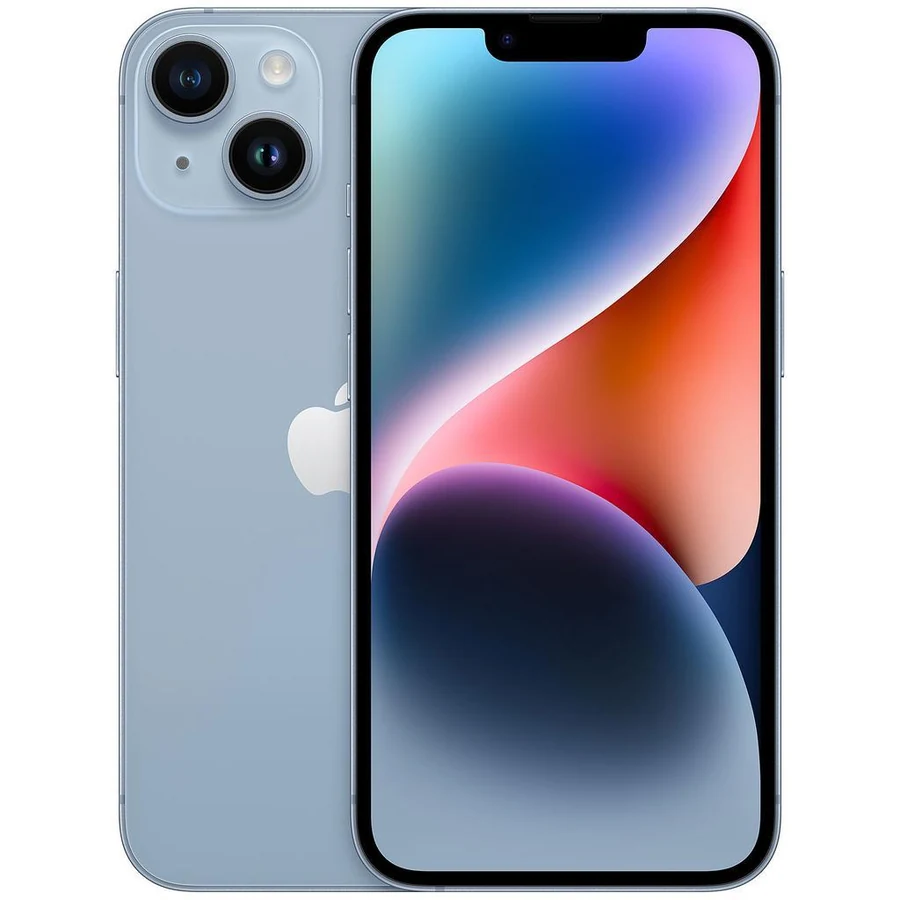
iPhone 14 · E wātea ana ki ngā whatunga katoa
Mai i

Utu mō te mea kua whakahoungia:USD 117 $

Utu mō te mea hou · USD 629 $

Tirohia ngā kōwhiringa

He tirohanga poto ki ngā rerekētanga

Kei te whakataurite i raro nei ngā whirihoranga taketake a ngā kaiwhakarato whatunga pūkoro. Kua wetekina ngā pūrere e rua e hokona ana ki tēnei whārangi kia taea ai te whakamahi ki ētahi atu whatunga.

The Google Pixel 9a (2025) and the Apple iPhone 14 (Locked AT&T) (2022) represent distinct approaches to modern smartphone engineering, balancing Android and iOS ecosystems across different release periods. While both devices deliver reliable everyday performance and sturdy builds, they differ significantly in their software environments, display refresh rates, and carrier flexibility, making each suited to distinct user preferences.

Ngā tauira e wātea ana

Tae

Storage (GB)

Ngā kaute

Te pakari

When evaluating long-term usability, software update commitments and hardware durability play vital roles in how long each device remains functional and secure.

    Software longevity: The Google Pixel 9a benefits from an extensive software support window providing seven years of operating system updates, while the iPhone 14 relies on Apple's traditional multi-year support cycle.
    Expected practical lifespan: Both models feature durable water-resistant construction, but the Google device's extended software commitment provides an advantage for users looking to keep their phone for many years.

Te tau i tukuna ai

2025

2022

Pūnaha whakahaere

Android

iOS

Foldable

Kāo

Kāo

Te kaha mahi

Underneath the surface, these two smartphones handle daily tasks, multitasking, and battery management through different hardware configurations.

    Multitasking and responsiveness: Both devices switch smoothly between common apps and handle browsing or media streaming effortlessly, though the Google Pixel 9a includes larger RAM capacity to aid background task management.
    Battery behavior: The Google Pixel 9a features a high-capacity battery designed to easily last through full days of heavy use, whereas the iPhone 14 relies on software efficiency to sustain typical daily routines before requiring a recharge.

Te kounga o te mata

Visual clarity and screen fluidity define the media consumption and outdoor viewing experience on both smartphones.

    Display technology and smoothness: The Google Pixel 9a features an OLED panel with a high refresh rate for smooth scrolling, while the iPhone 14 utilizes a standard refresh rate OLED display known for accurate color reproduction.
    Outdoor visibility: Both screens reach high peak brightness levels, ensuring that text and images remain legible under direct sunlight.

Taumira

1080x2424

1170 x 2532

Te momo mata

P-OLED

Super Retina XDR OLED

Te ataata me te oro

Capturing photos and recording video involve different sensor setups and image processing philosophies on each handset.

    Photography performance: The Google Pixel 9a excels at balanced everyday snapshots and advanced computational photo editing tools, while the iPhone 14 delivers sharp images and consistent low-light performance using straightforward camera software.
    Video and audio output: Both phones record stable high-definition video with clear audio capture, making them reliable options for recording daily memories or media calls.

Ētahi atu āhuatanga

Physical design choices and connectivity standards shape how each device fits into daily carry and network environments.

    Network compatibility: The Google Pixel 9a is factory E wātea ana ki ngā whatunga katoa for use across multiple carriers, whereas the iPhone 14 is locked to the AT&T network, requiring adherence to specific carrier terms.
    Build and handling: Both devices incorporate modern protection against dust and moisture, featuring comfortable dimensions that balance screen estate with pocket-friendly ergonomics.

Taumaha

6 oz

6 oz

Te rahi o te mata (inihi)

6.3

6.1

Whatunga

5G

5G

Kāri SIM

Physical SIM + eSIM

eSIM

Carrier compatibility

E wātea ana ki ngā whatunga katoa

E wātea ana ki ngā whatunga katoa

Ngā whakaaro o te hapori

Community discussions and user feedback indicate that buyers appreciate the Google Pixel 9a for its smooth display refresh rate, exceptional battery capacity, and extended update schedule, though some note that its plastic rear finish feels less traditional than glass. Conversely, users frequently praise the iPhone 14 for its reliable iOS ecosystem performance and sturdy glass-and-aluminum build, while noting that its carrier lock restricts network flexibility. Users prioritizing flexible network usage, modern display fluidity, and long-term software support may prefer the Google Pixel 9a, while those entrenched in the Apple ecosystem who do not mind carrier restrictions will find the iPhone 14 a familiar choice. Choosing a quality-assured refurbished option through sustainable platforms like RefurbLane offers an eco-friendly alternative for acquiring these devices while reducing electronic waste.

Ā mātou whakataurite hou

WhatsApp