Compare models
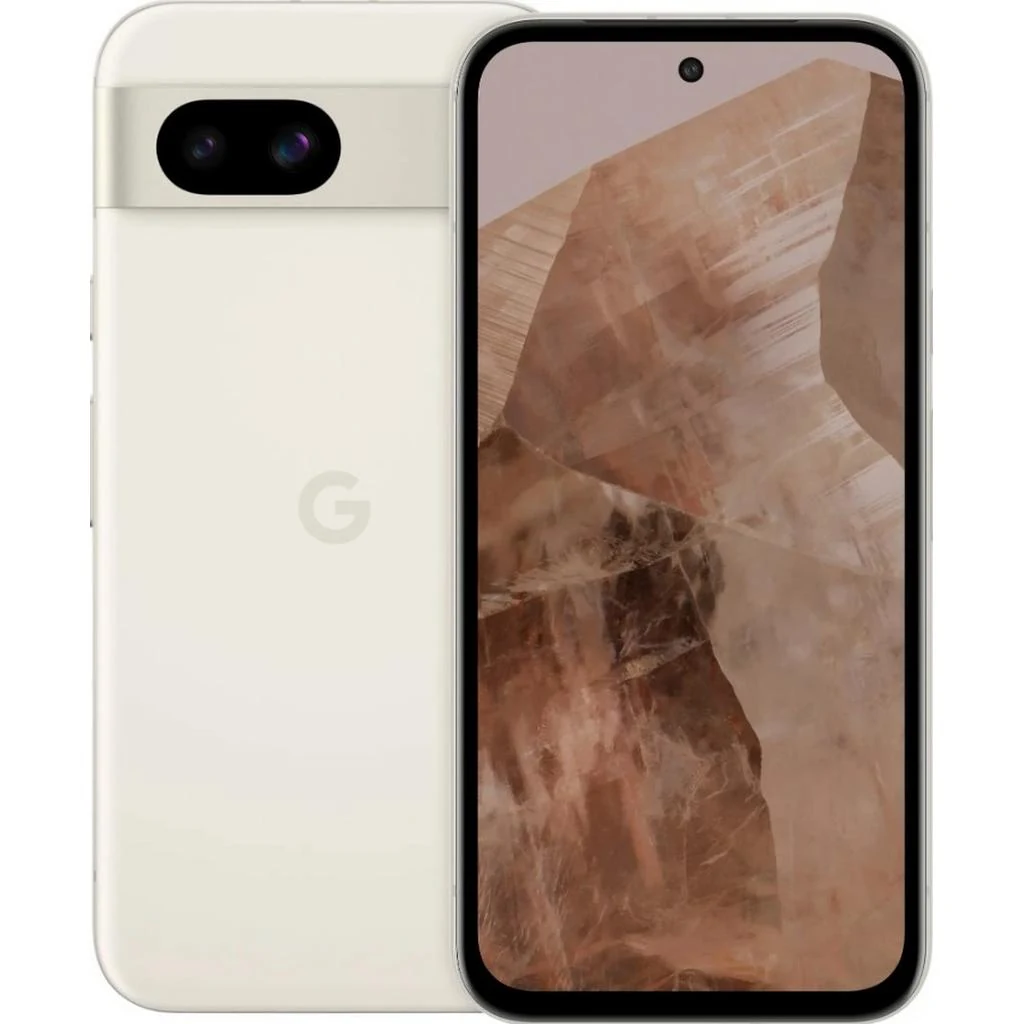
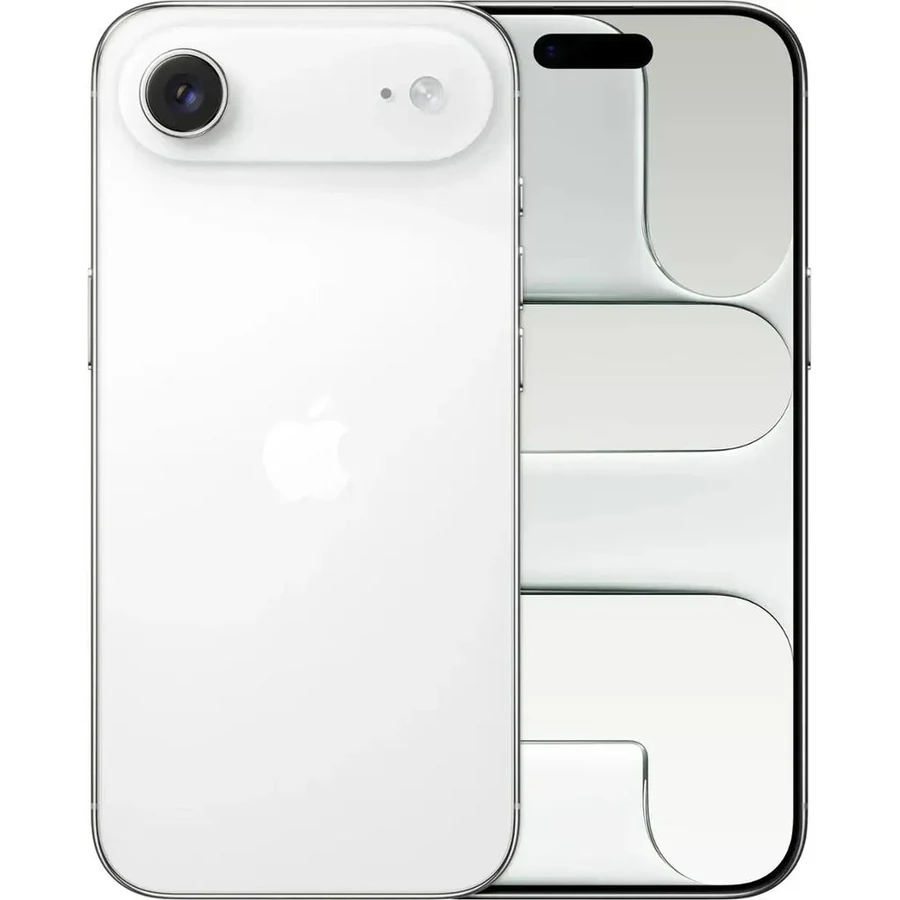
Google Pixel 8a · Miftuħ għan-netwerks kollha vs iPhone Air · Miftuħ għan-netwerks kollha
- Garanzija ta’ sena
- Shipping rates shown at checkout
- Ritorn fi żmien 14-il jum (japplikaw il-kundizzjonijiet tat-tbaħħir għar-ritorn)
Id-differenzi fil-qosor
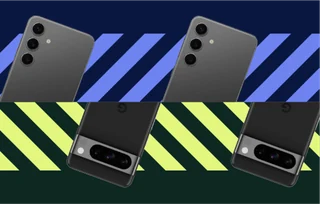
The Google Pixel 8a (2024) and the Apple iPhone Air (2025) represent two distinct approaches to modern smartphone engineering. The Google Pixel 8a runs on Android and prioritizes accessibility and practical everyday tools, while the iPhone Air runs on iOS and focuses on an ultra-slim profile and lightweight form factor. Both devices offer robust capabilities, yet cater to entirely different preferences in hardware design and software ecosystems.
Mudelli disponibbli
Kulur
Storage (GB)
Punteġġi
Durabbiltà
Both smartphones offer extended support windows, though their release years and software structures create different lifespans for everyday users.
- Software Support: The Google Pixel 8a receives multi-year system and security updates from its 2024 launch, while the iPhone Air benefits from Apple's long-standing update schedule running on iOS.
- Build Longevity: The Pixel 8a utilizes a durable matte composite back and aluminum frame, whereas the iPhone Air employs a titanium frame and reinforced glass designed for structural rigidity at a minimal thickness.
- Practical Lifespan: Both models provide sufficient hardware headroom to remain responsive for several years of daily tasks.
Sena tat-tnedija
2024
2025
L-aktar sistema operattiva riċenti kompatibbli
Iva
Iva
Sistema operattiva
Android
iOS
Foldable
Le
Le
Prestazzjoni
System performance varies between the two devices based on memory configuration and hardware integration, though both handle routine operations smoothly.
- App Multitasking: The Google Pixel 8a manages everyday applications efficiently with its standard memory allocation, while the iPhone Air utilizes a higher memory capacity to keep complex tasks running simultaneously without reloads.
- Battery Behavior: The Pixel 8a features a larger battery capacity suited for standard daily routines, whereas the iPhone Air balances its thinner battery profile with power-efficient internal processing.
- Storage Selections: Both devices offer multiple storage tiers to accommodate varying media and application library sizes, though neither supports expandable storage cards.
Kwalità tal-iskrin
Display characteristics differ in physical footprint and panel technology, impacting how users consume media and view content outdoors.
- Display Panel: The Google Pixel 8a uses a compact OLED screen with vibrant color reproduction, while the iPhone Air features a larger OLED panel with high pixel density for sharp visual detail.
- Rata ta’ aġġornament: Both models support smooth high refresh rates, ensuring fluid scrolling through web pages and application menus.
- Outdoor Visibility: High peak brightness levels on both screens allow for clear legibility under direct sunlight.
Riżoluzzjoni
—
2736x1260
Tip ta’ skrin
OLED
Super Retina XDR
Stampa u ħoss
Camera configurations and audio hardware cater to different content creation styles and media consumption preferences.
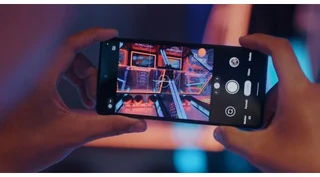
- Camera Systems: The Google Pixel 8a pairs a high-resolution main sensor with an ultra-wide lens supported by advanced computational photography, whereas the iPhone Air employs a single versatile main sensor capable of crisp detail and high-definition video recording.
- Video and Audio: The iPhone Air includes advanced spatial audio recording and studio tools, while the Pixel series provides reliable microphones for calls and voice notes.
- Speaker Output: Both devices feature stereo speaker configurations suitable for casual video playback and hands-free calling.
Kamera ewlenija
64 megapixels
48 megapixels
Kamera ta’ quddiem
13 megapixels
18 megapixels
Karatteristiċi oħra
Physical dimensions and connectivity standards define how each device handles in daily handling and modern network environments.
- Dimensions and Handling: The Google Pixel 8a offers a traditional, pocket-friendly footprint, while the iPhone Air distinguishes itself with a breakthrough slim profile and lightweight body.
- Konnettività: Both models support 5G network compatibility, modern Wi-Fi standards, and Bluetooth for accessory pairing.
- Security Sensors: The Pixel 8a provides an in-display fingerprint reader and face unlock, whereas the iPhone Air relies entirely on facial recognition technology.
Piż
—
Not available
Daqs tal-iskrin (pulzieri)
6.1
6.5
Netwerk
5G
5G
Kard SIM
Physical SIM + eSIM
eSIM
Carrier compatibility
Miftuħ għan-netwerks kollha
Konnettur
USB-C
USB-C
L-opinjoni tal-komunità
Users prioritizing a compact form factor, integrated artificial intelligence features, and a traditional Android environment will find the Google Pixel 8a well-suited to their daily routines. Conversely, users who value an exceptionally thin, lightweight hardware design and long-term iOS ecosystem integration may prefer the iPhone Air. Real-world feedback notes that while the Pixel series excels at straightforward utility and reliable photo processing, the iPhone Air draws praise for its striking physical build and fluid multitasking capability.
For those looking to make a sustainable choice, opting for a quality-assured refurbished option through RefurbLane provides an eco-friendly alternative that extends the life cycle of these electronic devices without compromising on performance or reliability.