Compare models

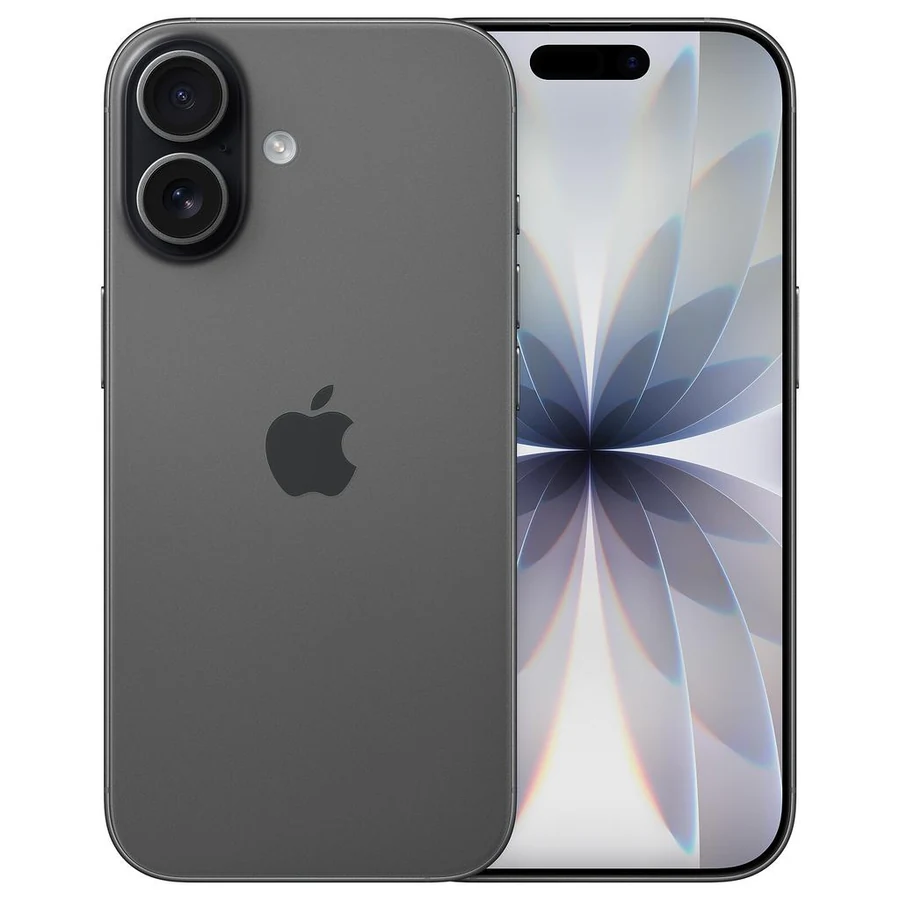
Google Pixel 8a · E wātea ana ki ngā whatunga katoa vs iPhone 17 · E wātea ana ki ngā whatunga katoa

  • Pūtāhui kotahi tau
  • Shipping rates shown at checkout
  • Ka taea te whakahoki i roto i ngā rā 14 (ka pā ngā tikanga tuku whakahoki)
Google Pixel 8a · E wātea ana ki ngā whatunga katoa
Mai i

Utu mō te mea kua whakahoungia:USD 101 $

Utu mō te mea hou · USD 899.99 $

Tirohia ngā kōwhiringa
iPhone 17 · E wātea ana ki ngā whatunga katoa
Mai i

Utu mō te mea kua whakahoungia:USD 249 $

Utu mō te mea hou · USD 929 $

Tirohia ngā kōwhiringa

He tirohanga poto ki ngā rerekētanga

The Google Pixel 8a (2024) and the Apple iPhone 17 (2025) represent distinct approaches to modern smartphone engineering. While the Pixel 8a focuses on smart software integration within a compact footprint, the iPhone 17 delivers a newer generation of hardware performance and display technology.

Operating on Android and iOS respectively, these devices cater to users looking for dependable daily functionality paired with different platform ecosystems. Understanding their practical differences helps clarify which model fits specific user needs.

Ngā tauira e wātea ana

Tae

Storage (GB)

Ngā kaute

Te pakari

Device longevity depends on release timelines, software maintenance schedules, and physical build resilience under daily wear and tear.

  • Software Support: The iPhone 17 benefits from a more recent release year, granting it an extended window of official operating system updates compared to the slightly older Pixel 8a.
  • Repairability and Build: Both smartphones utilize durable outer frames and glass fronts, though standard repair availability varies between regional service networks for each manufacturer.
  • Expected Lifespan: Both models provide sufficient internal processing headroom to remain functionally relevant for several years of standard daily use.

Te tau i tukuna ai

2024

2025

Te pūnaha whakahaere hototahi hōu rawa

Āe

Āe

Pūnaha whakahaere

Android

iOS

Foldable

Kāo

Kāo

Te kaha mahi

System performance and battery responsiveness dictate how smoothly each device handles demanding multi-app routines and prolonged media playback.

  • Multitasking and Responsiveness: Both devices manage daily web browsing, messaging, and background application switching smoothly without noticeable stutter.
  • Storage Configurations: The iPhone 17 starts with larger baseline storage capacities, whereas the Pixel 8a offers more traditional entry points alongside higher tiers.
  • Battery Behavior: Each device provides enough power to get a moderate user through a typical day, though intensive tasks like gaming or continuous navigation will require earlier recharging.

Te kounga o te mata

Display characteristics shape everyday media consumption, readability under direct sunlight, and overall visual comfort.

  • Display Technology: Both models feature vibrant OLED panels that deliver deep contrast levels and sharp text rendering for reading or video streaming.
  • Outdoor Brightness: High peak brightness capabilities on both screens ensure content remains legible when used outside in bright daylight.
  • Auau tāmata: Both devices support rapid refresh rates, ensuring that scrolling through web pages and navigating user interfaces appears fluid.

Taumira

—

2622x1206

Te momo mata

OLED

Super Retina XDR

Te ataata me te oro

Optics and audio components determine how well each handset performs for casual photography, video calls, and speaker-based media listening.

  • Camera Capabilities: Both smartphones utilize dual-lens rear configurations that capture crisp everyday photos, handling low-light environments effectively through automated image processing.
  • Video Recording: Video capture remains steady and detailed on both models, supported by built-in image stabilization features for handheld shooting.
  • Audio Output: Stereo speaker setups on each device deliver clear sound for hands-free calls and casual video viewing without requiring external headphones.

Kāmera matua

64 megapixels

48 megapixels

Kāmera o mua

13 megapixels

18 megapixels

Ētahi atu āhuatanga

Physical dimensions, connectivity standards, and daily handling characteristics dictate how comfortably each phone fits into routine life.

  • Design and Handling: The Pixel 8a offers a slightly smaller form factor that fits easily into pockets, while the iPhone 17 provides a marginally larger screen area within a slim profile.
  • Hononga: Both models support modern high-speed mobile networks, advanced wireless local area networks, and Bluetooth protocols for accessory pairing.
  • Biometrics: Secure unlocking is handled via distinct biometric sensors integrated into each respective hardware ecosystem.

Taumaha

—

6.24 oz (177 g)

Te rahi o te mata (inihi)

6.1

6.3

Whatunga

5G

5G

Kāri SIM

Physical SIM + eSIM

eSIM

Carrier compatibility

E wātea ana ki ngā whatunga katoa

E wātea ana ki ngā whatunga katoa

Tūhono

USB-C

USB-C

Ngā whakaaro o te hapori

User discussions across online communities highlight distinct preferences for each device. Owners of the Google Pixel 8a frequently praise its straightforward user interface, reliable everyday camera output, and comfortable handling. Common concerns involve moderate battery endurance under heavy workloads and standard charging speeds. Conversely, users favor the iPhone 17 for its fluid display performance, robust build quality, and integration within the iOS ecosystem, though some note the higher baseline storage tiers as a rigid starting point.

Users prioritizing deep software customization and a compact form factor will find the Google Pixel 8a well-suited to their preferences, while users seeking ecosystem continuity and current-generation hardware capabilities may lean toward the iPhone 17. For those exploring sustainable purchasing alternatives, selecting a quality-assured refurbished option provides a practical and eco-friendly way to acquire either model.

Ā mātou whakataurite hou

WhatsApp