
Compare models

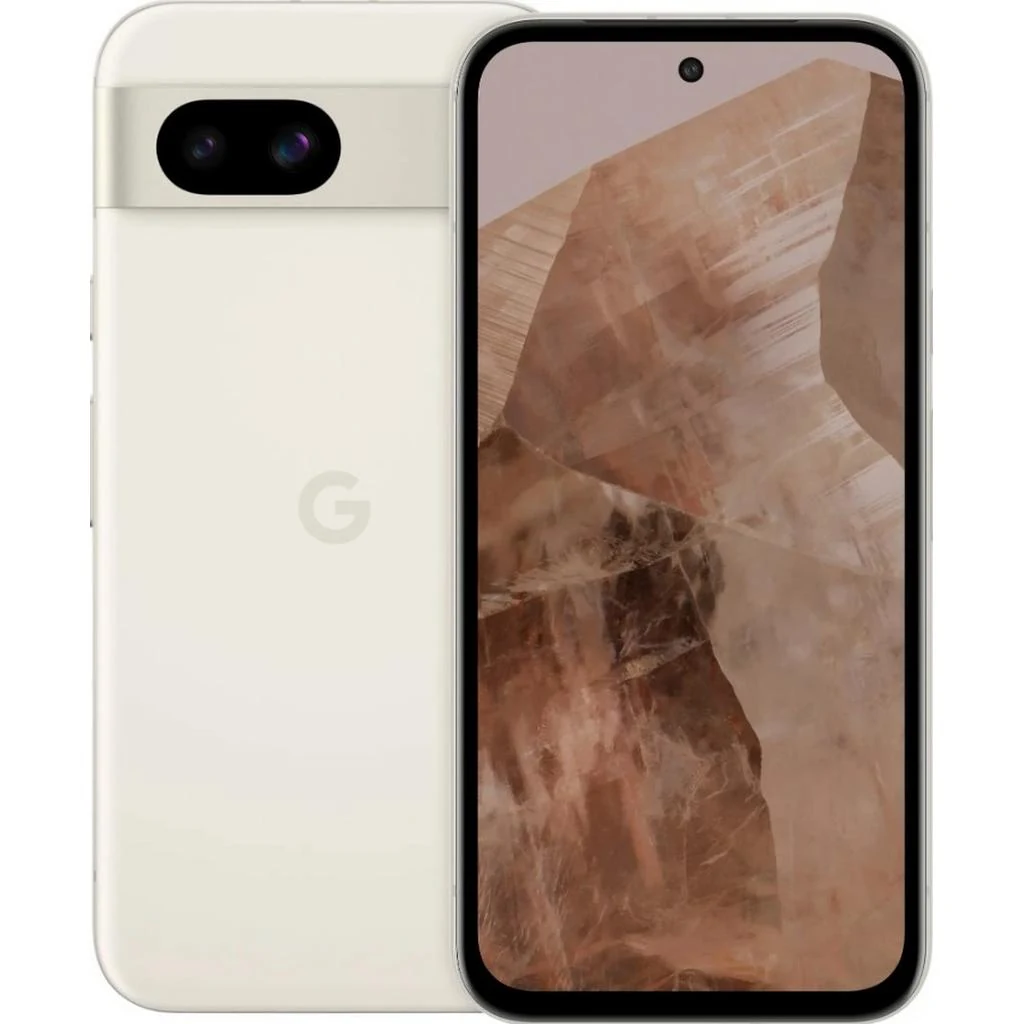
Google Pixel 8a · E wātea ana ki ngā whatunga katoa vs iPhone 17 Pro · E wātea ana ki ngā whatunga katoa

  • Pūtāhui kotahi tau
  • Shipping rates shown at checkout
  • Ka taea te whakahoki i roto i ngā rā 14 (ka pā ngā tikanga tuku whakahoki)
Google Pixel 8a · E wātea ana ki ngā whatunga katoa
Mai i

Utu mō te mea kua whakahoungia:USD 101 $

Utu mō te mea hou · USD 899.99 $

Tirohia ngā kōwhiringa
iPhone 17 Pro · E wātea ana ki ngā whatunga katoa
Mai i

Utu mō te mea kua whakahoungia:USD 326 $

Utu mō te mea hou · USD 1099 $

Tirohia ngā kōwhiringa

He tirohanga poto ki ngā rerekētanga

The Google Pixel 8a (2024) and the iPhone 17 Pro (2025) represent distinct approaches to modern smartphone engineering, balancing different priorities in hardware design and everyday usability. While the Google Pixel 8a runs on the Android operating system with an emphasis on integrated artificial intelligence features, the iPhone 17 Pro operates on iOS, focusing on high-tier processing capabilities and versatile media tools. These devices target different user preferences through variations in build philosophy and software ecosystems.

Ngā tauira e wātea ana

Tae

Storage (GB)

Ngā kaute

Te pakari

Both smartphones offer robust long-term utility, though they span different release years and follow distinct software update pathways that influence their expected operational lifespans.

  • Software Support: The Google Pixel 8a provides multi-year operating system updates backed by extended security patches, while the iPhone 17 Pro typically receives extended software updates aligned with Apple's traditional device lifecycle.
  • Build Longevity: The Google Pixel 8a utilizes durable front glass and an aluminum frame with dust and water resistance, whereas the iPhone 17 Pro features reinforced glass protection on both sides paired with an unibody frame designed for enhanced structural durability.
  • Repairability: Both manufacturers provide structured repair channels, helping users maintain device functionality over years of daily ownership.

Te tau i tukuna ai

2024

2025

Te pūnaha whakahaere hototahi hōu rawa

Āe

Āe

Pūnaha whakahaere

Android

iOS

Foldable

Kāo

Kāo

Te kaha mahi

Handling daily tasks, multitasking, and demanding applications differs across these models due to their internal hardware configurations and memory capacity.

  • Storage Options: The Google Pixel 8a is available in standard storage configurations suitable for everyday media storage, while the iPhone 17 Pro offers higher baseline capacity choices alongside advanced tiers for heavy media storage.
  • System Responsiveness: The Google Pixel 8a handles standard applications and intelligent software features smoothly, whereas the iPhone 17 Pro manages intensive multi-app workflows, high-frame-rate mobile gaming, and complex background tasks with substantial performance headroom.
  • Battery Behavior: The Google Pixel 8a delivers reliable power for a typical day of mixed use, while the iPhone 17 Pro incorporates energy-efficient processing to support extended use during media playback and heavy daily tasks.

Te kounga o te mata

Visual output and display responsiveness vary between the two models, providing distinct viewing experiences for media consumption and navigation.

  • Display Technology: The Google Pixel 8a features a vibrant OLED screen with deep contrast levels, while the iPhone 17 Pro utilizes an advanced OLED panel equipped with high peak brightness capabilities for outdoor visibility.
  • Refresh Rate: Both devices support high refresh rates, ensuring smooth scrolling through web pages, animations, and user interface transitions.
  • Size and Clarity: The Google Pixel 8a offers a compact, pocket-friendly display format, whereas the iPhone 17 Pro provides a slightly larger viewing area with high pixel density for sharp text and media rendering.

Taumira

—

2622x1206

Te momo mata

OLED

Super Retina XDR

Te ataata me te oro

Photography and video capture configurations cater to different styles of documentation, ranging from straightforward everyday snapshots to multi-lens professional setups.

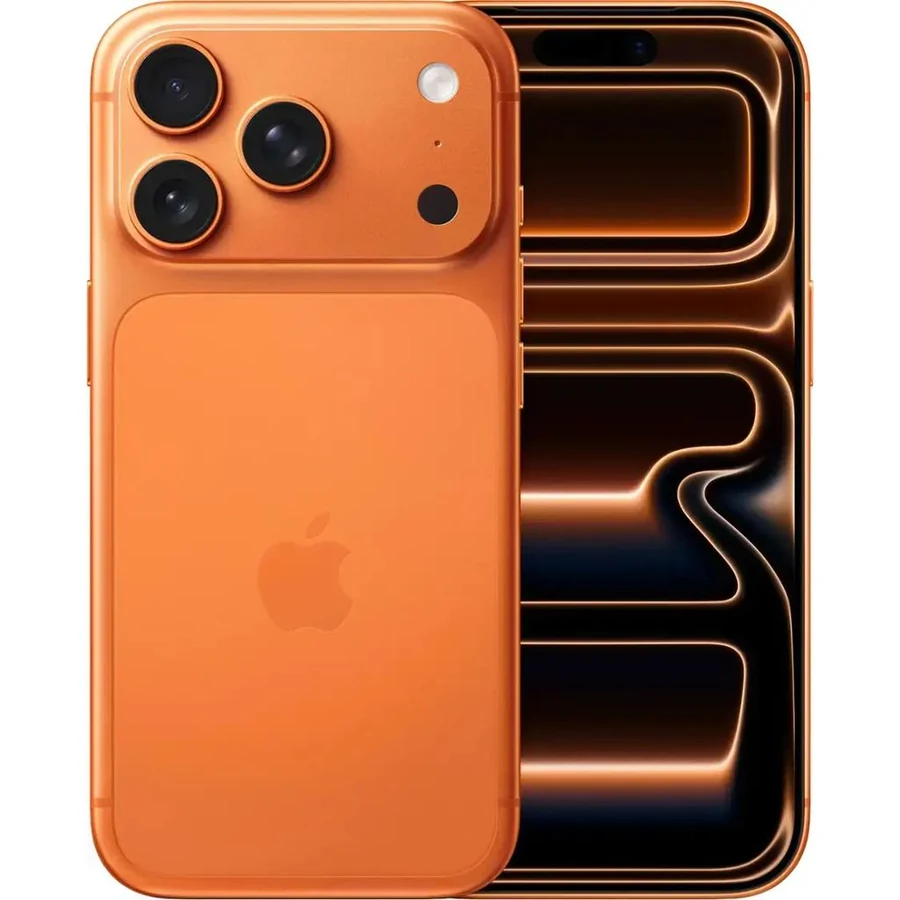
  • Camera System: The Google Pixel 8a relies on a dual-lens rear camera setup optimized by computational photography software, while the iPhone 17 Pro features a triple high-resolution lens array including an extended optical zoom capability.
  • Video and Audio: The Google Pixel 8a records clear high-definition video with steady stabilization, whereas the iPhone 17 Pro supports advanced professional video recording formats, high-fidelity microphone arrays, and studio-grade audio capture features.
  • Media Output: Stereo speakers on both devices provide balanced audio output for hands-free calls, video playback, and casual music listening.

Kāmera matua

64 megapixels

48 megapixels

Kāmera o mua

13 megapixels

18 megapixels

Ētahi atu āhuatanga

Practical everyday features, connectivity standards, and physical handling characteristics define the ergonomic and functional profile of each device.

  • Hononga: Both models support modern 5G networks, fast Wi-Fi standards, and Bluetooth pairing for wireless accessories.
  • Ports and Biometrics: The Google Pixel 8a uses a USB-C port and an in-display fingerprint sensor, while the iPhone 17 Pro uses a USB-C port and advanced facial recognition technology.
  • Physical Handling: The Google Pixel 8a offers a lighter build with a matte plastic back panel, whereas the iPhone 17 Pro features a denser metallic unibody construction.

Taumaha

—

Not available

Te rahi o te mata (inihi)

6.1

6.3

Whatunga

5G

5G

Kāri SIM

Physical SIM + eSIM

eSIM

Carrier compatibility

E wātea ana ki ngā whatunga katoa

E wātea ana ki ngā whatunga katoa

Tūhono

USB-C

USB-C

Ngā whakaaro o te hapori

User discussions across public forums highlight distinct preferences for each device based on everyday workflow requirements. Owners of the Google Pixel 8a frequently praise its comfortable one-handed form factor, reliable daily software performance, and straightforward user interface. Conversely, users of the iPhone 17 Pro often emphasize appreciation for its powerful multitasking capabilities, versatile multi-lens camera system, and long-lasting battery efficiency under demanding usage conditions. Common criticisms for the Pixel 8a typically center on limitations during high-intensity gaming, while some users note that the iPhone 17 Pro carries a heavier physical footprint in the pocket.

Users prioritizing a lightweight, pocket-friendly device with seamless everyday AI integration will find the Google Pixel 8a well-suited to their needs. Meanwhile, users prioritizing advanced photographic zoom, professional video tools, and maximum processing headroom may lean toward the iPhone 17 Pro. For buyers seeking an eco-friendly alternative, choosing a quality-assured refurbished option provides a sustainable choice that extends the lifecycle of these electronics without compromising on performance.

Ā mātou whakataurite hou

WhatsApp