
Compare models

Google Pixel 7 Pro · E wātea ana ki ngā whatunga katoa vs iPhone 12 Pro Max · E wātea ana ki ngā whatunga katoa

  • Pūtāhui kotahi tau
  • Shipping rates shown at checkout
  • Ka taea te whakahoki i roto i ngā rā 14 (ka pā ngā tikanga tuku whakahoki)
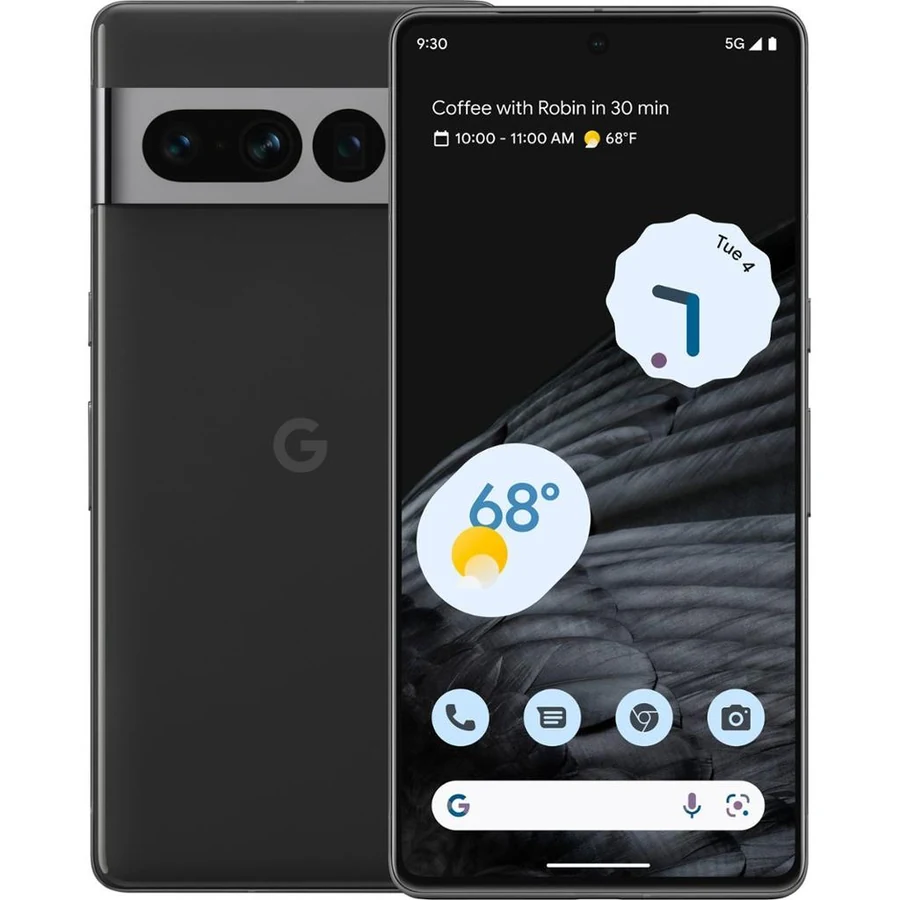
Google Pixel 7 Pro · E wātea ana ki ngā whatunga katoa
Mai i

Utu mō te mea kua whakahoungia:USD 111 $

Utu mō te mea hou · USD 899.99 $

Tirohia ngā kōwhiringa
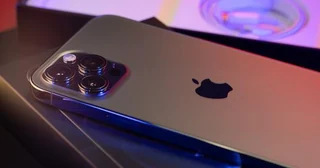
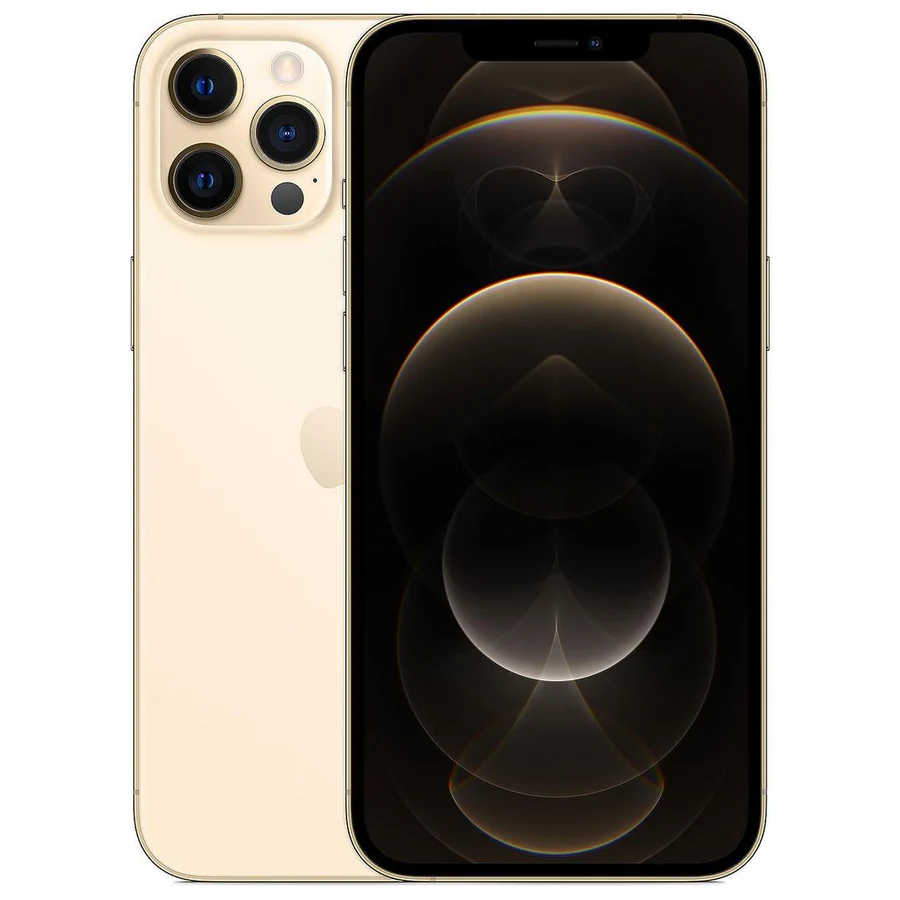
iPhone 12 Pro Max · E wātea ana ki ngā whatunga katoa
Mai i

Utu mō te mea kua whakahoungia:USD 132 $

Utu mō te mea hou · USD 999 $

Tirohia ngā kōwhiringa

He tirohanga poto ki ngā rerekētanga

The Google Pixel 7 Pro (released October 2022) and the iPhone 12 Pro Max (released November 2020) represent different approaches to high-end smartphone design and functionality. While both offer large displays and advanced camera systems, the Pixel 7 Pro operates on Android, emphasizing Google's AI-driven features, whereas the iPhone 12 Pro Max runs on iOS, known for its integrated ecosystem. The primary differentiators lie in their camera capabilities, software philosophies, and display technologies.

Ngā tauira e wātea ana

Tae

Storage (GB)

Ngā kaute

Te pakari

When considering the longevity of these devices, several factors come into play, including their release timelines, software support, and physical durability.

  • Release Timeline: The iPhone 12 Pro Max was released in November 2020, making it two years older than the Google Pixel 7 Pro, which launched in October 2022. This age difference directly impacts their remaining software support windows.
  • Software Longevity: Google typically provides 3 years of major OS updates and 5 years of security updates for its Pixel devices from their release date. Apple generally offers 5-6 years of iOS updates for its iPhones. This means the Pixel 7 Pro, being newer, will likely receive major Android updates for a longer period from the current date, while the iPhone 12 Pro Max is nearing the end of its major iOS update cycle.
  • Durability Features: Both devices feature robust builds. The iPhone 12 Pro Max introduced Ceramic Shield for enhanced front cover durability and has an IP68 rating for water and dust resistance. The Pixel 7 Pro also uses Gorilla Glass Victus for its display and back, along with an IP68 rating.

Te tau i tukuna ai

2022

2020

Te pūnaha whakahaere hototahi hōu rawa

Āe

Āe

Pūnaha whakahaere

Android

iOS

Foldable

Kāo

Kāo

Te kaha mahi

The performance of a smartphone is crucial for daily tasks, from browsing to demanding applications and multitasking.

  • Processor Capabilities: The Pixel 7 Pro, with its newer generation processor, handles demanding applications and multitasking smoothly, offering a responsive user experience. The iPhone 12 Pro Max, while still capable, features an older generation processor.
  • Multitasking and Responsiveness: The Pixel 7 Pro typically comes with 12GB of RAM, which contributes to its ability to manage numerous applications simultaneously without significant slowdowns. The iPhone 12 Pro Max has 6GB of RAM.
  • Battery Behavior: The Pixel 7 Pro is equipped with a larger 5000 mAh battery, generally providing a full day of use for most users, though heavy camera usage can impact this. The iPhone 12 Pro Max has a 3687 mAh battery, which users report can last a full day with moderate use. Both support fast charging and wireless charging.

Te kounga o te mata

The visual experience is a key aspect of modern smartphones, and both devices offer large, high-quality displays.

  • Display Technology and Resolution: The Pixel 7 Pro features a 6.7-inch LTPO AMOLED display with a resolution of 1440 x 3120 pixels, offering sharp and detailed visuals. The iPhone 12 Pro Max also has a 6.7-inch Super Retina XDR OLED display with a resolution of 1284 x 2778 pixels.
  • Refresh Rate and Smoothness: The Pixel 7 Pro boasts a 120Hz refresh rate, which provides smoother scrolling and a more fluid visual experience, especially noticeable in animations and gaming. The iPhone 12 Pro Max has a standard 60Hz refresh rate.
  • Brightness Levels: The Pixel 7 Pro can reach a peak brightness of 1500 nits, enhancing visibility in bright outdoor conditions. The iPhone 12 Pro Max offers a typical maximum brightness of 800 nits and a peak of 1200 nits for HDR content.

Taumira

1440 x 3120

1284 x 2778

Te momo mata

LTPO AMOLED

Super Retina XDR OLED

Te ataata me te oro

Both smartphones are known for their advanced camera systems, offering versatile photography and videography capabilities.

  • Rear Camera Systems: The Pixel 7 Pro features a triple camera setup with a 50MP main sensor, a 12MP ultrawide lens with autofocus, and a 48MP telephoto lens offering 5x optical zoom. The iPhone 12 Pro Max also has a triple 12MP camera system, including a main, ultrawide, and telephoto lens with 2.5x optical zoom, and it includes a LiDAR scanner for improved low-light autofocus and AR applications.
  • Photography Performance: The Pixel 7 Pro excels in computational photography, offering features like Magic Eraser, Photo Unblur, and enhanced Night Sight. Its ultrawide lens includes autofocus for macro shots. The iPhone 12 Pro Max provides strong image quality with Smart HDR 3 and Deep Fusion, and its larger sensor and sensor-shift optical image stabilization on the main camera contribute to better low-light performance and stability.
  • Video Recording Quality: Both devices are capable of 4K video recording. The Pixel 7 Pro offers Cinematic Blur for video, while the iPhone 12 Pro Max was notable for its ability to record in Dolby Vision HDR.

Kāmera matua

50 megapixels

12 megapixels

Kāmera o mua

10.8 megapixels

12 megapixels

Ētahi atu āhuatanga

Beyond core features, several practical elements contribute to the overall user experience and device utility.

  • Connectivity Options: Both devices support 5G connectivity, offering faster mobile data speeds. The Pixel 7 Pro supports Wi-Fi 6E, a newer standard than the Wi-Fi 6 found in the iPhone 12 Pro Max, potentially offering faster and more stable wireless connections in compatible environments.
  • Port Types and Biometrics: The Pixel 7 Pro uses a USB-C port for charging and data transfer, while the iPhone 12 Pro Max utilizes Apple's proprietary Lightning port. For security, the Pixel 7 Pro features an under-display optical fingerprint scanner and face unlock, whereas the iPhone 12 Pro Max relies on Face ID for biometric authentication.
  • Physical Characteristics: The Pixel 7 Pro measures 162.9 x 76.6 x 8.9 mm and weighs 212g. The iPhone 12 Pro Max is slightly shorter and thinner but wider, at 160.8 x 78.1 x 7.4 mm, and is slightly heavier at 228g. These differences can influence how each device feels in hand and its overall portability.

Taumaha

—

8.04 oz (228 g)

Te rahi o te mata (inihi)

6.7

6.7

Whatunga

5G

5G

Kāri SIM

Physical SIM + eSIM

Physical SIM + eSIM

Carrier compatibility

E wātea ana ki ngā whatunga katoa

E wātea ana ki ngā whatunga katoa

Ngā whakaaro o te hapori

The Google Pixel 7 Pro and iPhone 12 Pro Max cater to users with distinct preferences, reflecting their respective operating systems and design philosophies. Users often praise the Pixel 7 Pro for its advanced computational photography, delivering impressive image quality and unique software features like Photo Unblur. Its 120Hz display and larger battery capacity are also frequently highlighted as strong points. Some users, however, note that heavy camera use can significantly impact battery life.

The iPhone 12 Pro Max is generally lauded for its robust build quality, consistent performance, and the seamless integration within the Apple ecosystem. Its video recording capabilities, particularly with Dolby Vision HDR, were a significant feature at its release. Common criticisms sometimes revolve around its 60Hz display, which feels less fluid compared to higher refresh rate screens, and its proprietary Lightning port.

Users prioritizing cutting-edge camera technology, a high refresh rate display, and the flexibility of the Android operating system with Google's AI integrations may find the Pixel 7 Pro well-suited to their needs. Conversely, those who value a highly integrated ecosystem, strong long-term software support, and a familiar user experience might lean towards the iPhone 12 Pro Max. Both devices offer a quality-assured refurbished option, providing an eco-friendly alternative for consumers seeking premium smartphone experiences.

Ā mātou whakataurite hou

WhatsApp