Compare models

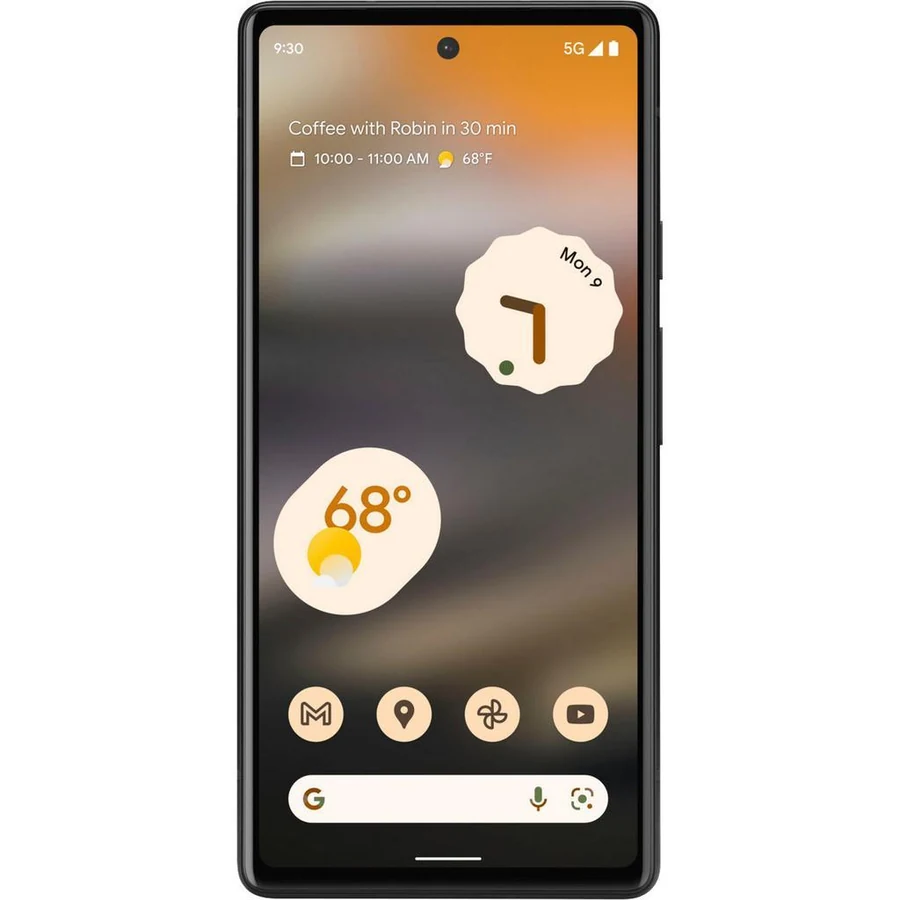
Google Pixel 6a · E wātea ana ki ngā whatunga katoa vs Google Pixel 9a · E wātea ana ki ngā whatunga katoa

  • Pūtāhui kotahi tau
  • Shipping rates shown at checkout
  • Ka taea te whakahoki i roto i ngā rā 14 (ka pā ngā tikanga tuku whakahoki)
Google Pixel 9a · E wātea ana ki ngā whatunga katoa
Mai i

Utu mō te mea kua whakahoungia:USD 135 $

Utu mō te mea hou · USD 499.99 $

Tirohia ngā kōwhiringa

He tirohanga poto ki ngā rerekētanga

The Google Pixel 6a (2022) and the Google Pixel 9a (2025) represent different stages of Google's approach to accessible smartphone design. While both devices run on the Android operating system and deliver clean software experiences, the Pixel 9a introduces a refreshed physical design, a smoother display, and expanded processing capabilities compared to its older counterpart.

Ngā tauira e wātea ana

Tae

Storage (GB)

Ngā kaute

Te pakari

When examining hardware longevity and software support timelines, both models handle updates differently based on their respective release years.

  • Software support timeline: The Pixel 9a benefits from Google's extended multi-year update commitment, ensuring prolonged system and security patches, whereas the Pixel 6a operates closer to the end of its primary software window.
  • Build durability: The Pixel 9a features an upgraded dust and water resistance rating, offering higher environmental protection than the IP67-rated Pixel 6a.
  • Expected lifespan: Users selecting quality-assured refurbished options from platforms like RefurbLane can expect reliable daily operation from either device, though the newer model retains long-term compatibility advantages.

Te tau i tukuna ai

2022

2025

Pūnaha whakahaere

Android

Android

Foldable

Kāo

Kāo

Te kaha mahi

Daily responsiveness and multitasking capabilities vary significantly due to hardware generational shifts between these two smartphones.

  • App execution and multitasking: The Pixel 9a handles demanding applications, heavy multitasking, and modern games with greater fluidity thanks to its current-generation processor and increased RAM capacity.
  • Battery behavior: The Pixel 9a includes a larger capacity power cell and improved energy efficiency, supporting longer usage periods between charges compared to the Pixel 6a.
  • Storage configuration: Both devices ship with baseline storage capacities suitable for everyday media and apps, though the newer model offers expanded configuration tiers.

Te kounga o te mata

Display characteristics differ notably in visual smoothness and lighting performance during outdoor use.

  • Refresh rate and smoothness: The Pixel 9a features a high refresh rate display that makes scrolling and animations appear fluid, while the Pixel 6a uses a standard refresh rate panel.
  • Brightness and clarity: The Pixel 9a delivers higher peak luminance levels for improved visibility under direct sunlight, paired with a slightly larger screen real estate than the Pixel 6a.
  • Panel technology: Both models utilize vibrant OLED display technology, ensuring deep contrast and sharp text rendering for daily reading and video consumption.

Taumira

1080 x 2400

1080x2424

Te momo mata

OLED

P-OLED

Te ataata me te oro

Photography and media recording capabilities reflect generational hardware updates across the main and auxiliary camera sensors.

  • Main camera performance: The Pixel 9a adopts a higher-resolution primary sensor that captures fine details effectively in varied lighting conditions, compared to the reliable sensor found on the Pixel 6a.
  • Video and audio tools: Both devices support stable video recording and clear voice capture, with the newer model integrating advanced computational editing features.
  • Media consumption: Stereo speakers on both smartphones provide adequate audio output for casual video playback and hands-free calls.

Ētahi atu āhuatanga

Physical handling and connectivity standards reflect the design evolution between these two generations.

  • Physical dimensions: The Pixel 9a offers a slightly larger screen within a streamlined chassis, maintaining comfortable daily handling relative to the compact footprint of the Pixel 6a.
  • Connectivity standards: The Pixel 9a supports updated wireless communication standards and faster data transfer protocols than its predecessor.
  • Authentication sensors: Both phones utilize responsive in-display biometric sensors alongside facial recognition options for secure unlocking.

Taumaha

6 oz

6 oz

Te rahi o te mata (inihi)

6.1

6.3

Whatunga

LTE

5G

Kāri SIM

Physical SIM + eSIM

Physical SIM + eSIM

Carrier compatibility

E wātea ana ki ngā whatunga katoa

E wātea ana ki ngā whatunga katoa

Ngā whakaaro o te hapori

Community discussions and user feedback indicate that both smartphones serve distinct user preferences effectively. Owners of the Pixel 6a frequently praise its compact form factor, reliable everyday camera output, and straightforward handling. At the same time, common discussions surrounding the Pixel 9a highlight appreciation for its extended software support window, brighter display, and significantly improved battery longevity during intensive daily tasks. Users prioritizing extended software longevity and a high-refresh-rate viewing experience may prefer the Pixel 9a, while those seeking a compact, essential smartphone for standard tasks will find the Pixel 6a well-suited to their needs. Exploring a sustainable, quality-assured refurbished option via RefurbLane provides a reliable path to acquiring either device while supporting eco-friendly technology choices. Ultimately, the choice depends on whether long-term system updates or physical compactness take precedence in daily use.

Ā mātou whakataurite hou

WhatsApp